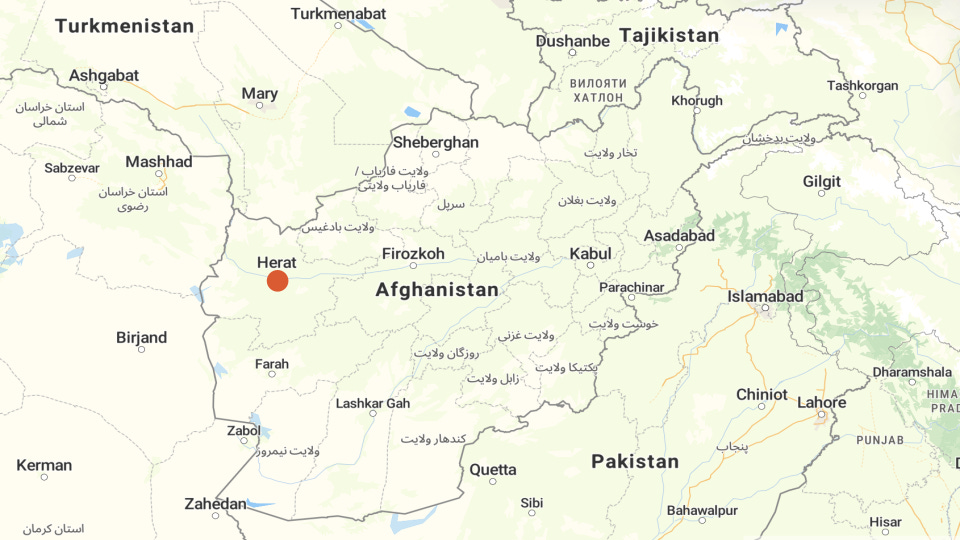
In 2016, when I was still new to Afghanistan, I went to Herat, the country’s third largest city after Kabul and Kandahar. (The latter a city in the south, strangely enough considered both a safe haven for gay men and a Taliban stronghold, which I would come to visit against the orders of my Pakistani CEO).
Here in the west, I found Herat to be a quiet border town near Iran, where the food is sweetened with fresh pomegranate as in its Persian neighbour, and where the women who cover do so in the lighter, patterned Iranian chador, which leaves the face open, rather than in the blue Afghan burqa.
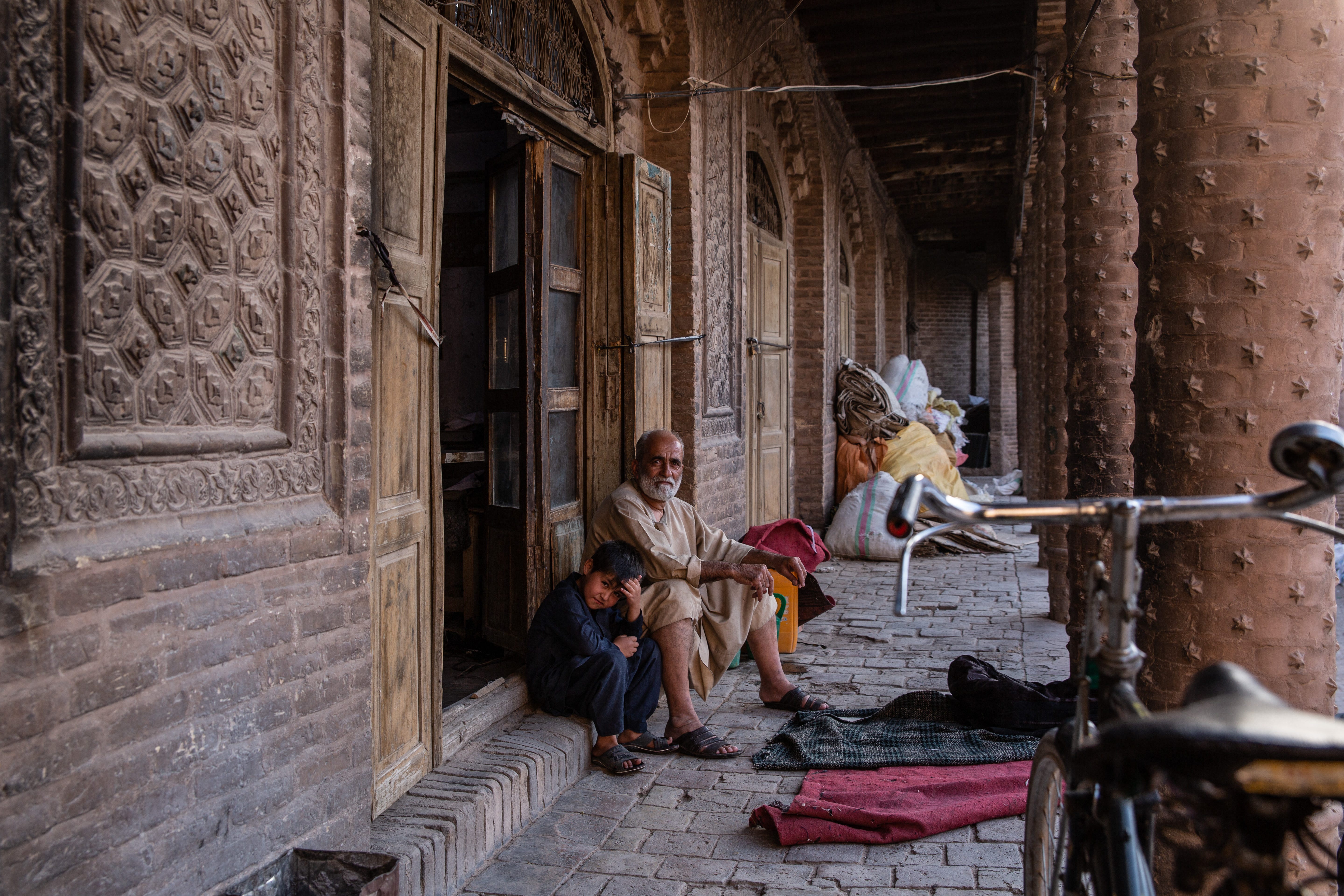
I was invited to attend a peace conference. The guest speaker was the French ambassador, among many other international figures.
I wondered why I was invited at all. A simple General Manager is totally irrelevant compared to these high-profile speakers and attendees, but the flight and hotel were paid for, and off I went. I guess they wanted someone from the “Kingdom of Netherlands” on their list – as was mentioned on my name tag – to impress the sponsors who were paying for this event.
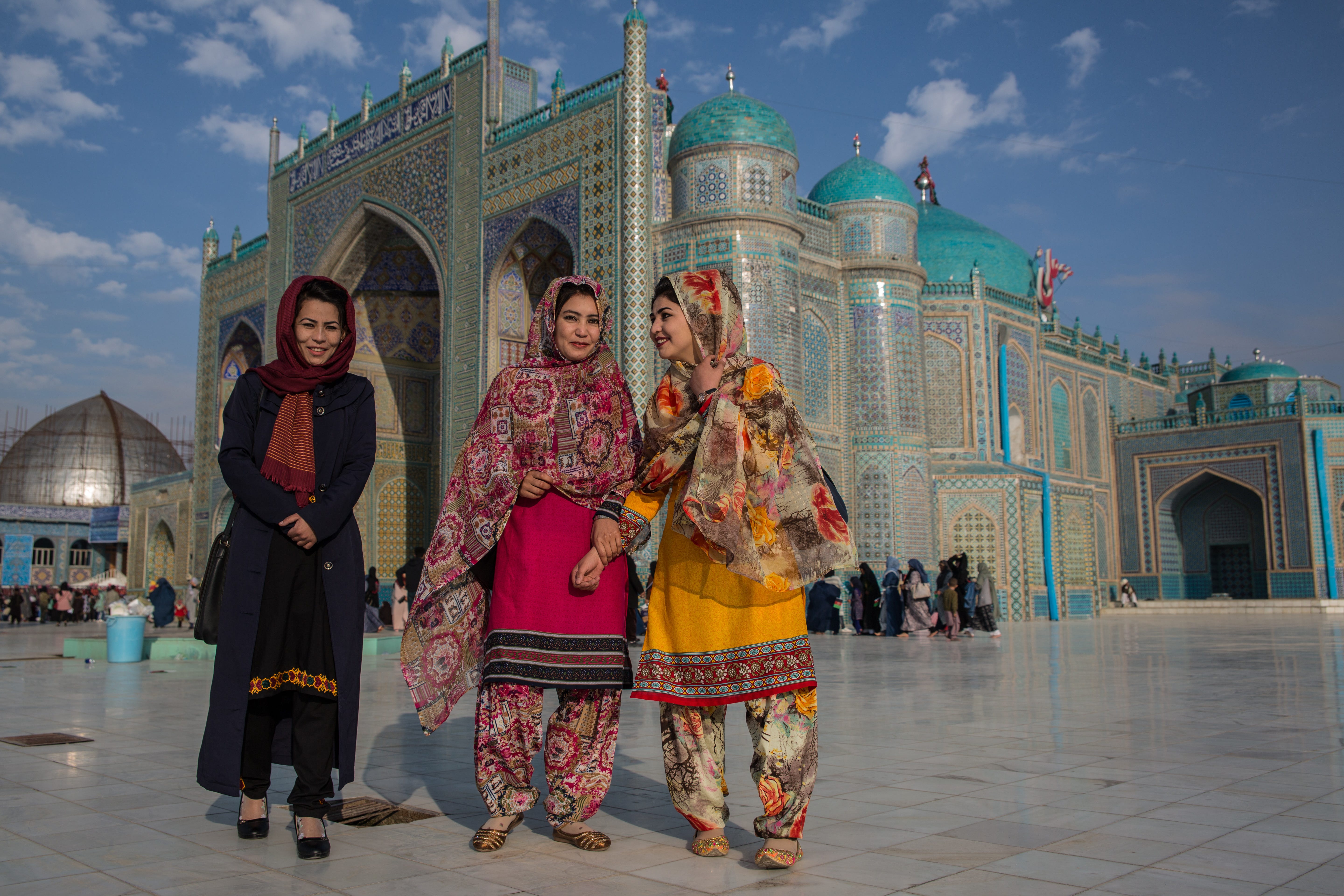
The city is home to a magnificent citadel and the amazing Blue Mosque. The visit to the mosque was a must. A cathedral of the Muslim faith.
I went there with an American who was also invited to the conference and whom I had met at the hotel the day before. He was most likely intelligence of some sort.
In front of the Blue Mosque, there is a busy park where we wandered around. We were quickly spotted by locals who started to surround us.
“This is getting dangerous,” the American said, as if these normal Afghans going about their normal day were actually a bloodthirsty mob ready to lynch us right there and then.
He disappeared, leaving me with approximately thirty men around me. And what did I know? I wasn’t the expert, but looking into their eyes, I saw only smiles.
“Picture, picture!” they shouted, and I had to oblige as they all wanted a photo of me with every single one of them on their smartphones.

One young man asked if I wanted to go below the Blue Mosque. Again, I thought about the American and worried a bit about getting lynched, but curiosity got the better of me.
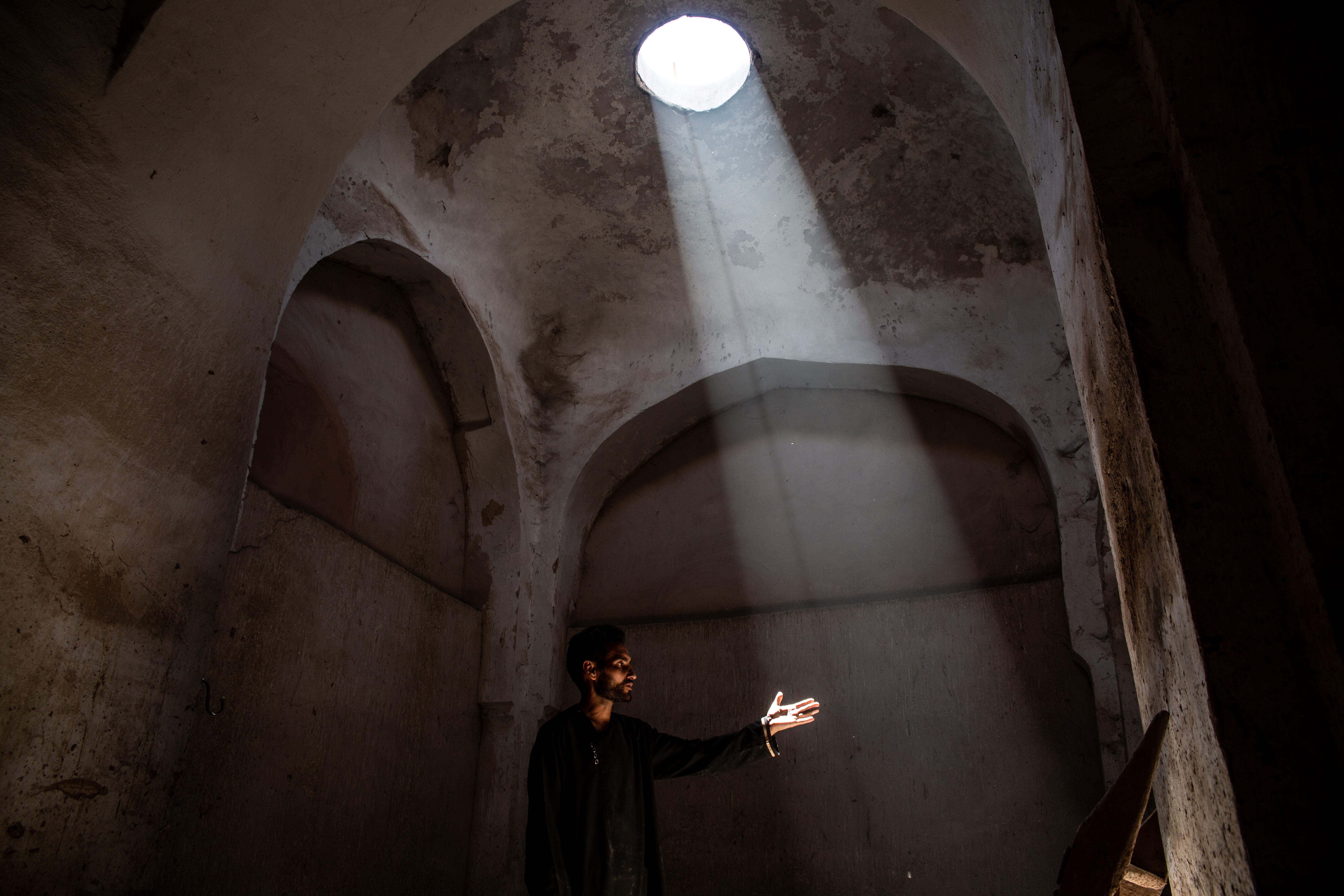
Five minutes later, I was under the mosque. Sunlight streamed from small openings in the domed ceiling high above, dust particles floating in the ancient air. Compressed soil keeps the room at a constant temperature.
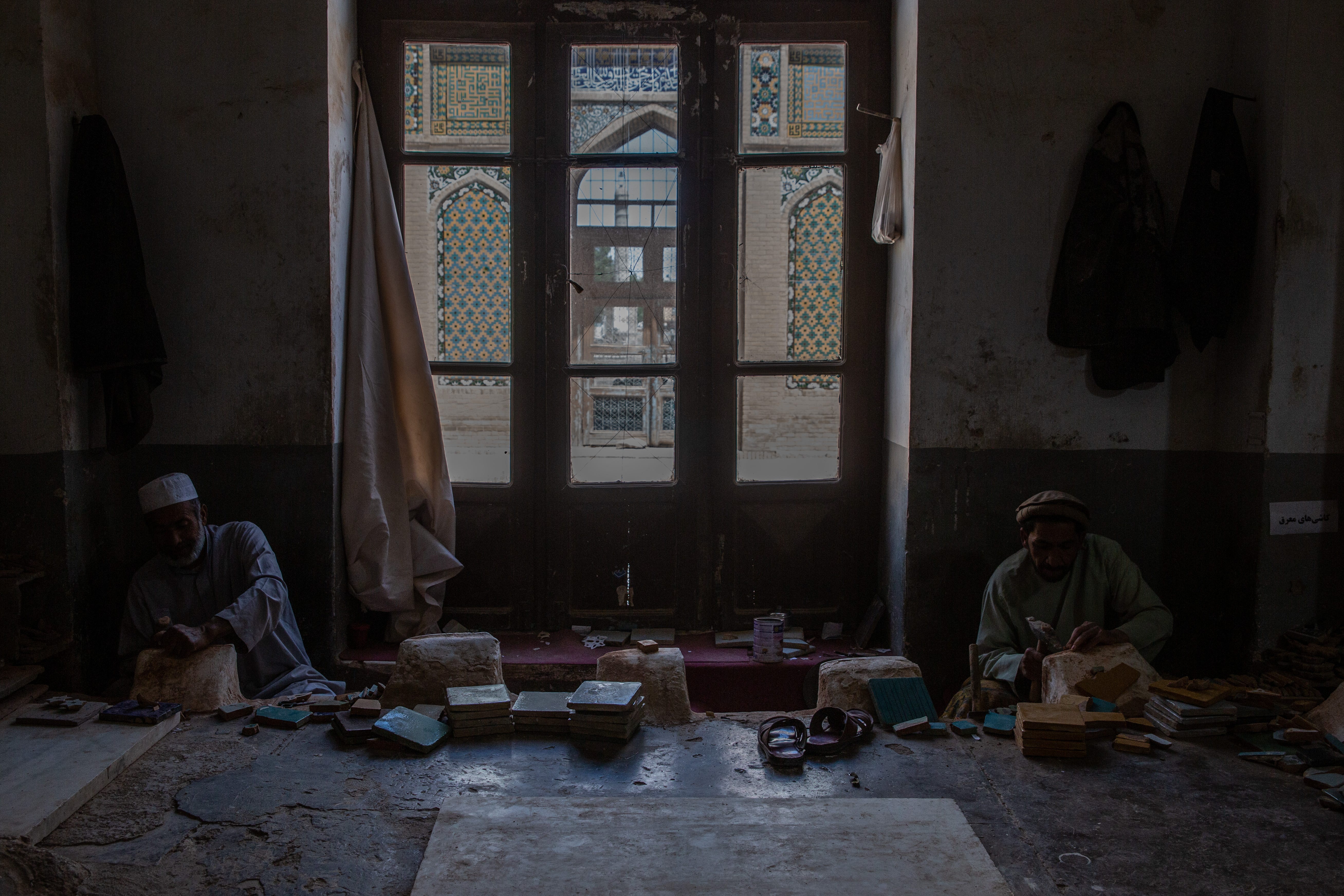
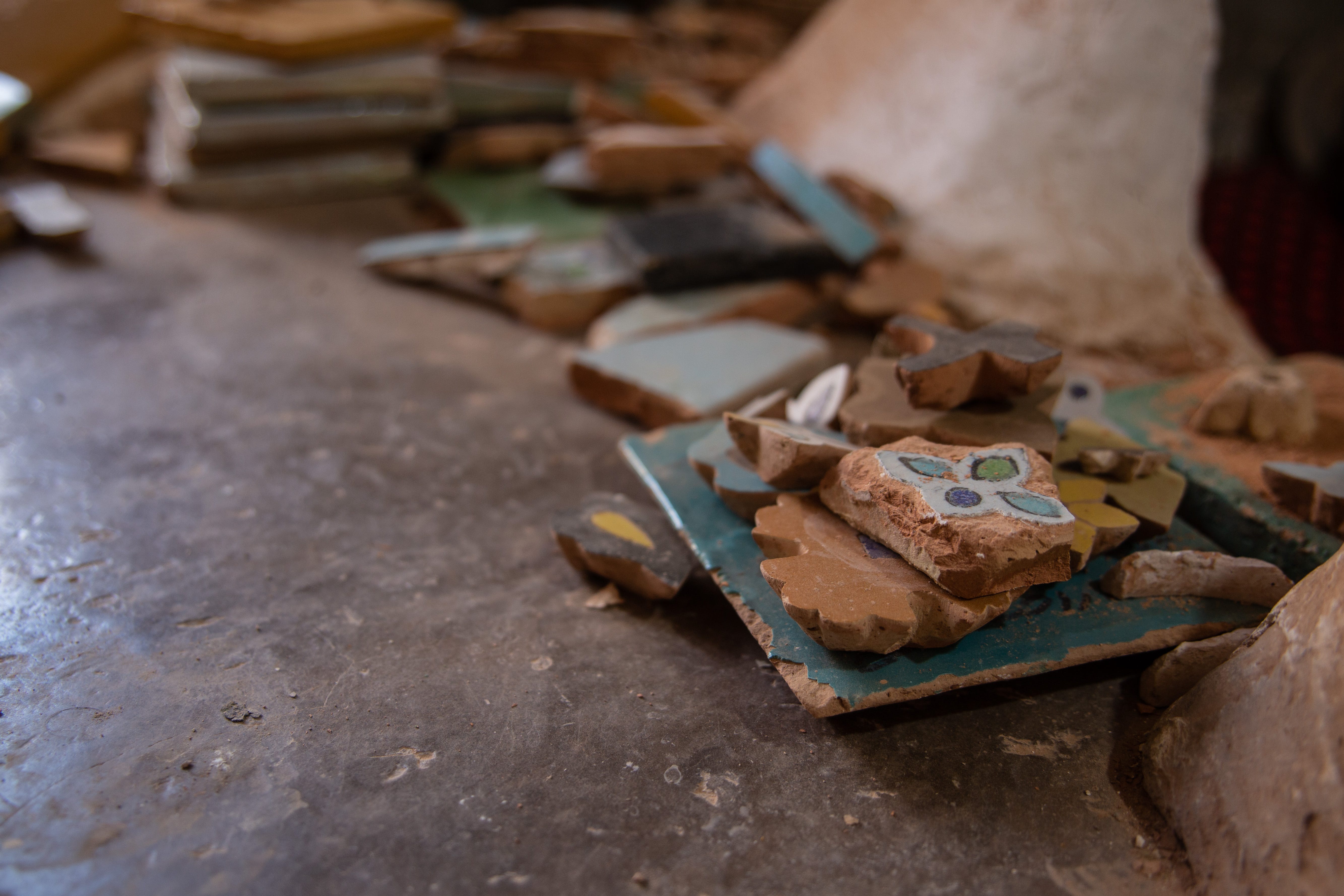
Two men were sitting on the floor, working by hand with what looked like antique tools, still there from medieval times, shaping pieces of tile used to renovate the Blue Mosque.
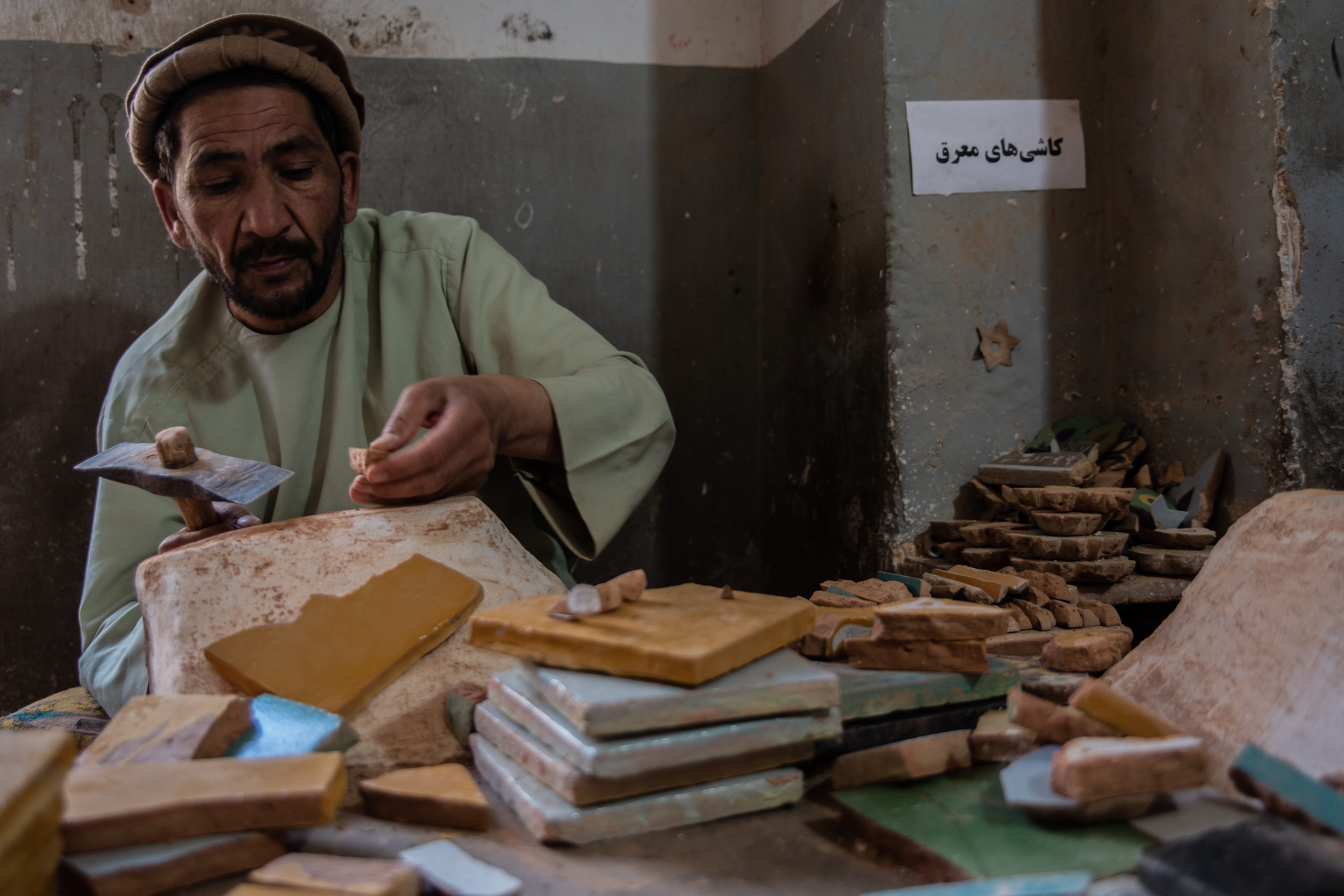
I felt honoured to be allowed into this secret place, until one of the men pointed to the tip box placed well in view next to the door. Realising I wasn’t that special after all, and that many tourists must be led down the narrow staircase, it was still totally worthwhile.
I stepped out into the autumn sun, feeling alive.
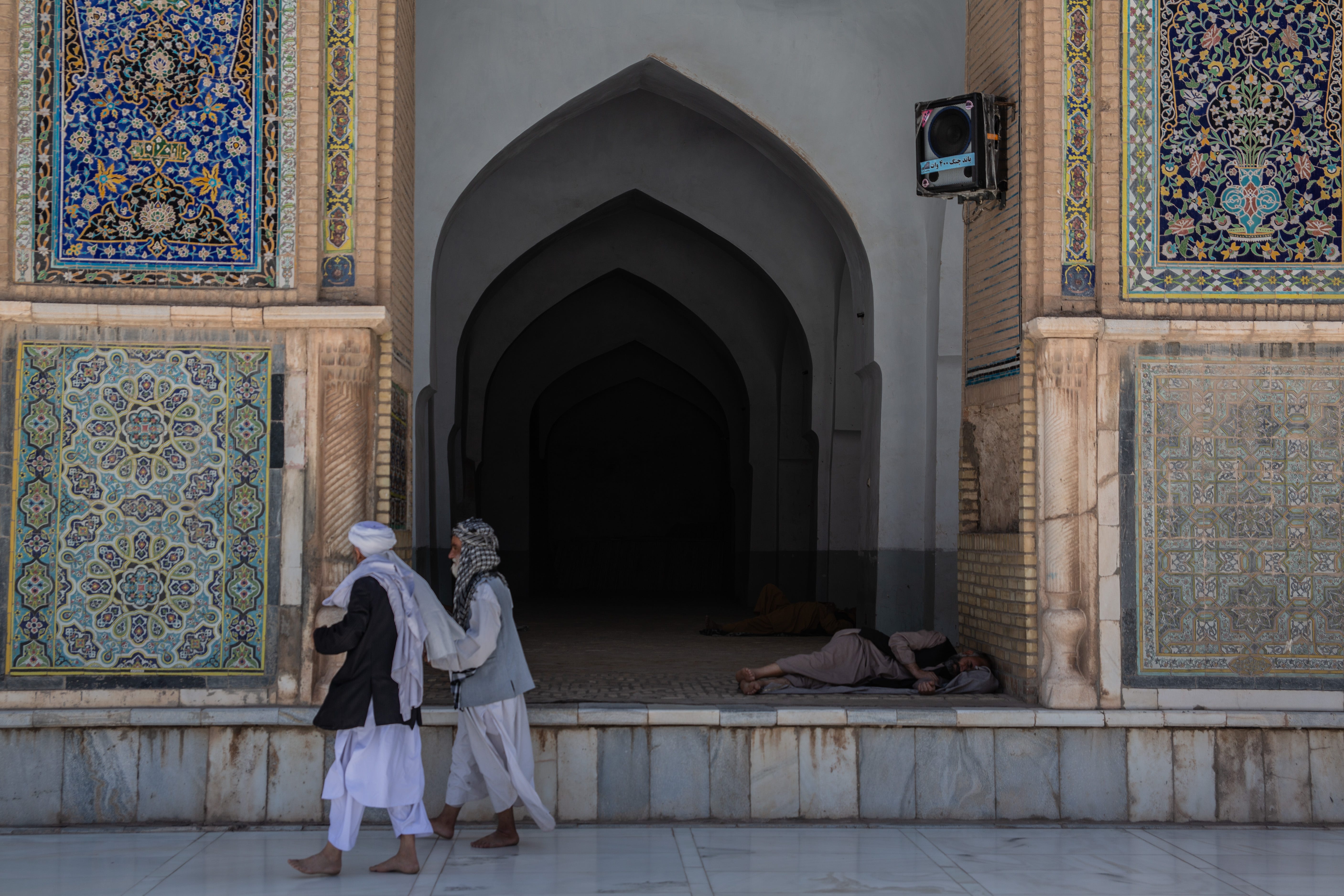
The mosque itself was a stunning sight, with colourful mosaic tiles and a very impressive, humungous courtyard of white marble. Somehow, the men lying there resting seemed to have found the peace the conference was only talking about behind fortified gates.
It reminded me of the acronym NATO. In Kabul it meant “No Action Talk Only”.
(When, some years later, I told the Taliban Deputy Minister of Foreign Affairs, Mr. Stanikzai, at a meeting, he laughed out loud and had to write it down, so much he liked it.)
What I do remember from all the talking is that the French ambassador, during his speech, said quite clearly that the Taliban are not terrorists, they are freedom fighters as far as he is concerned.
I thought it was rather courageous of the ambassador to say something like that. Words can easily be interpreted differently, and diplomacy is a fine line.
It reminded me of Nelson Mandela. During his first visit to the United States after his release from prison in 1990, he was questioned by Ted Koppel on ABC’s Nightline about his ties to Yasser Arafat, Muammar Gaddafi and Fidel Castro – leaders who had supported the struggle against apartheid. Yet Mandela’s defence of those relationships was an oxymoron, as far as the journalist was concerned.
Mandela’s answer was remarkable: “One of the mistakes which some political analysts make is to think that their enemies should be our enemies.”
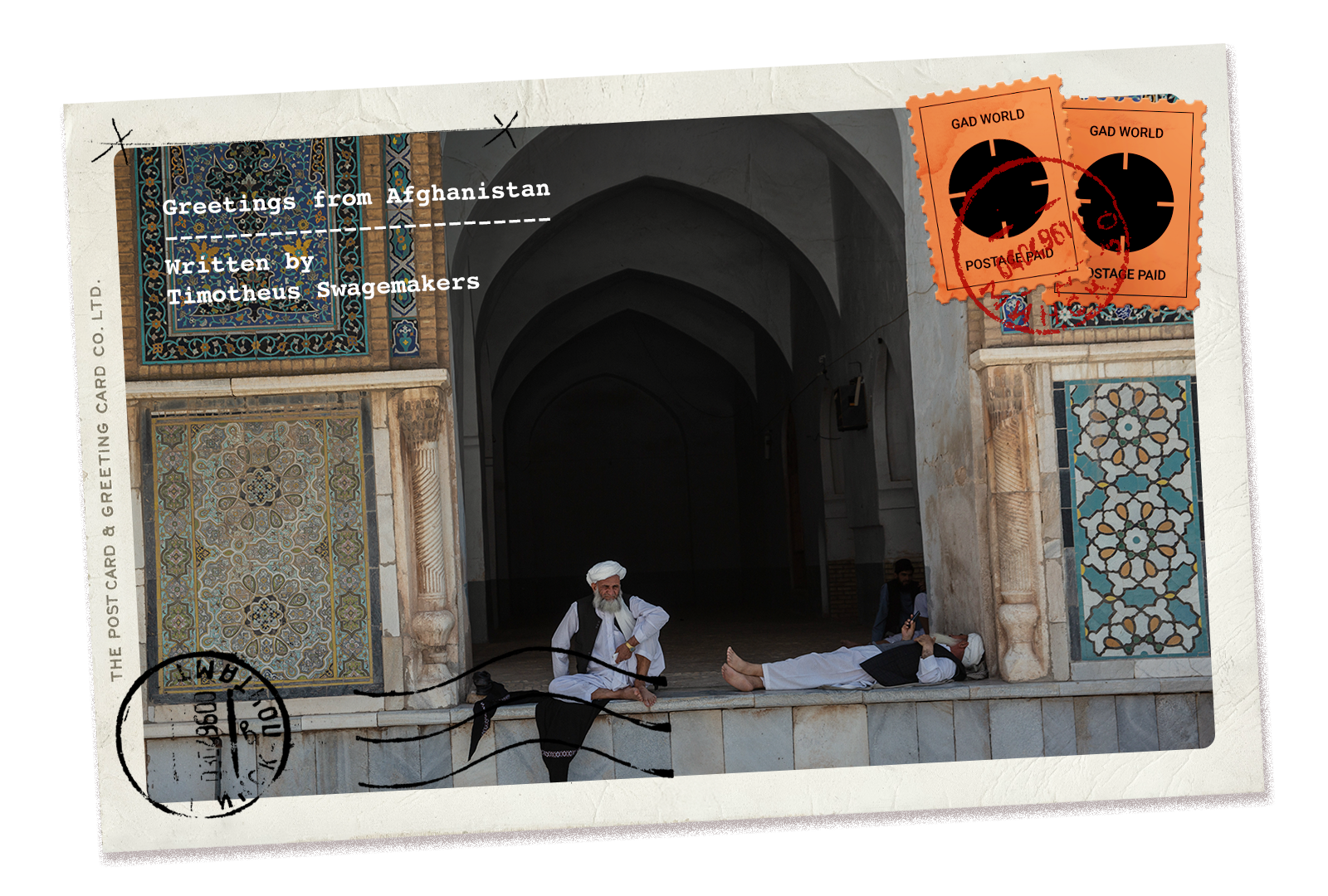
Postcards from Afghanistan
Through the eyes of hotel manager Timotheus Swagemakers, this series of stories offers a rare glimpse into some of Afghanistan’s hidden worlds.
Life. While headlines have long defined Afghanistan by its scars, these stories look beyond them – towards the unexpected light of everyday life and encounters where life continues, unseen by the outside world.
Dignity. Beyond the story of endless wars, there is deep hospitality, ancient traditions, and a people whose dignity cannot be shaken by the shifting tides of power.
The Graveyard of Empires. Afghanistan’s history has been shaped by the country’s strategic location, which has led to repeated attempts at conquest by Alexander the Great, the Mongol Empire, the British Empire, the Soviet Union, and the United States – all of whom eventually withdrew in the face of fierce Afghan resistance.
Decades of Invasion. In 1979, as the Cold War intensified, the Soviet Union invaded Afghanistan. It sparked a decade-long war that drove millions of people from their homes. After the Soviet withdrawal in 1989, the power vacuum led to a brutal civil war between rival factions.
The Taliban Cycles. The Taliban first seized power in 1996 and imposed strict rule until 2001. After the September 11 attacks in the United States – in which no Afghans were involved – a US-led coalition invaded and remained in the country for 20 years. In August 2021, as international forces withdrew, the Taliban returned to power.
The Human Cost. After more than 40 years of almost uninterrupted conflict, the Afghan people remain the primary victims. They have been denied the opportunity to develop their nation in lasting peace, leading to one of the world’s largest displaced populations and a devastating humanitarian crisis.
Education and the Future. Today, millions of Afghan children are out of school, while women face severe restrictions on their fundamental rights to work and study – casting a shadow over the future of an entire generation.
Cultural Resilience. Despite the destruction of cultural heritage such as the Buddhas of Bamiyan, Afghanistan remains a cradle of Silk Road history, where poetry, craftsmanship, and a deeply rooted sense of honour continue to shape the soul of the nation.