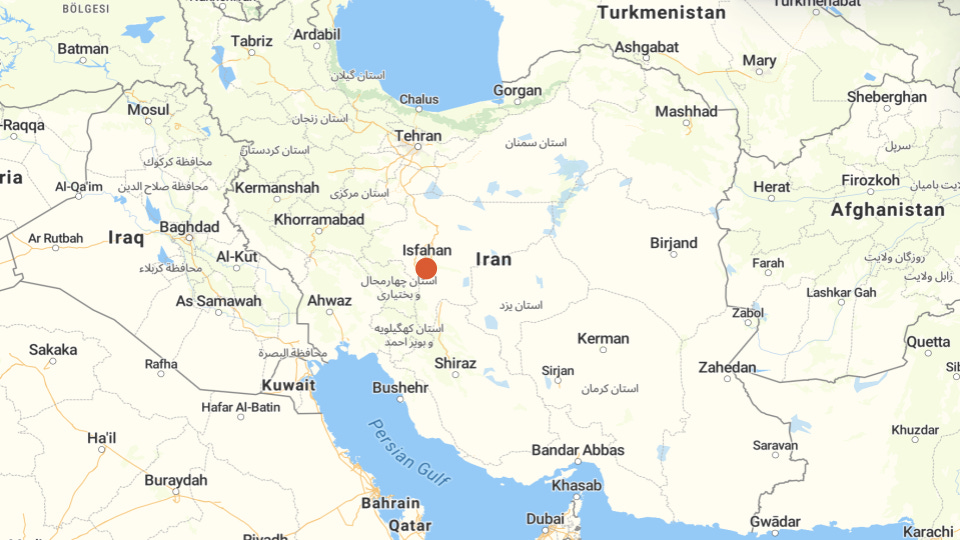
The saying rhymes in Persian: Esfahan nesf-e jahan – Isfahan is half the world. The idea is that once you have seen this city, you have seen half of the world's beauty. It is home to the Zayandeh River and the magical Khaju Bridge, built under Safavid rule in the 17th century.
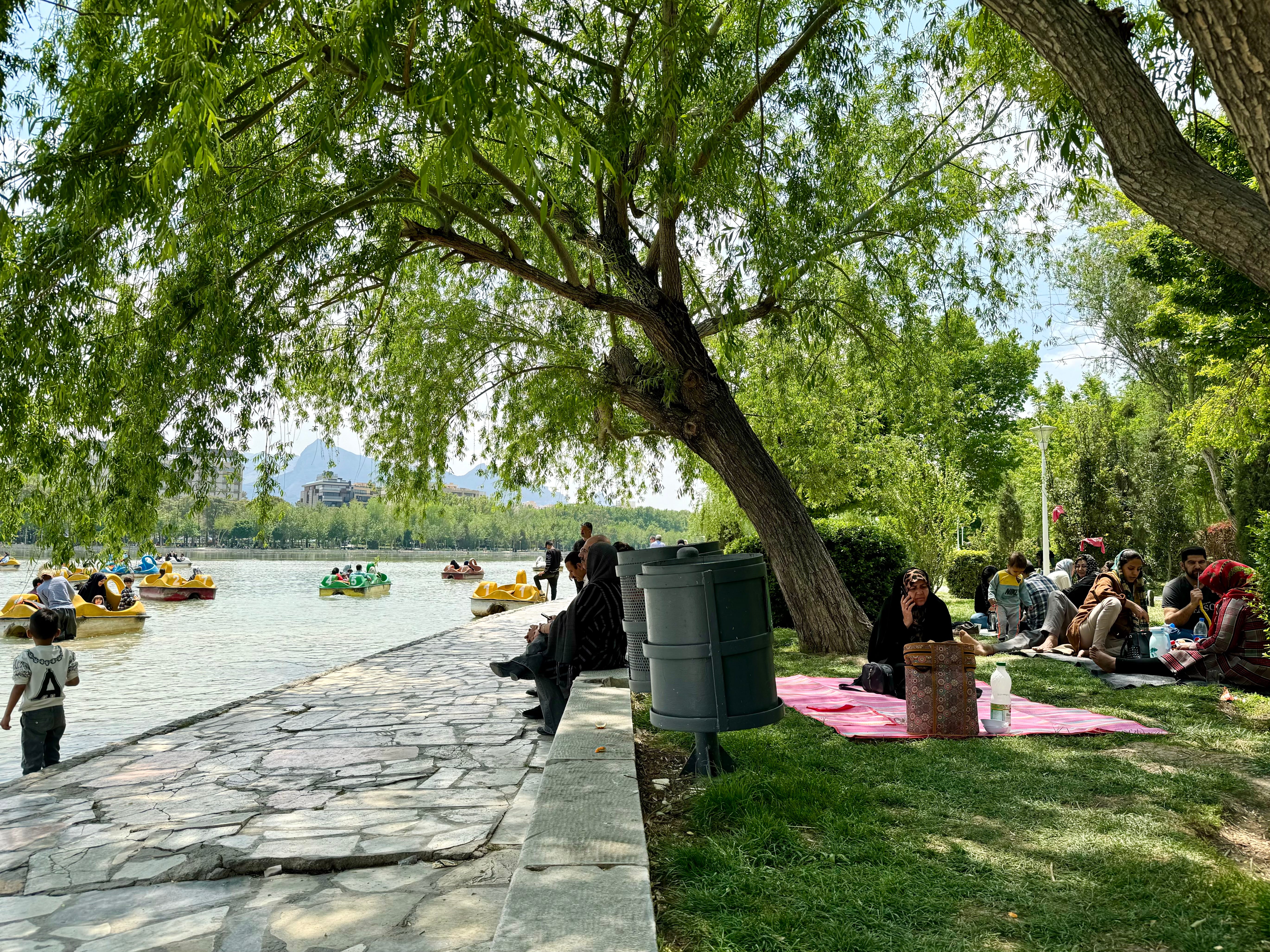
When there is water in the river, people paddle kayaks here or take a trip in the same kind of kitschy, swan-shaped pedal boats that became infamous when the Taliban used them for fun on a lake outside Kabul.
Even when the riverbed lies dry, the green parks along it are the city’s gathering place. Families and friends spread blankets on the grass, drinking tea, smoking shisha.
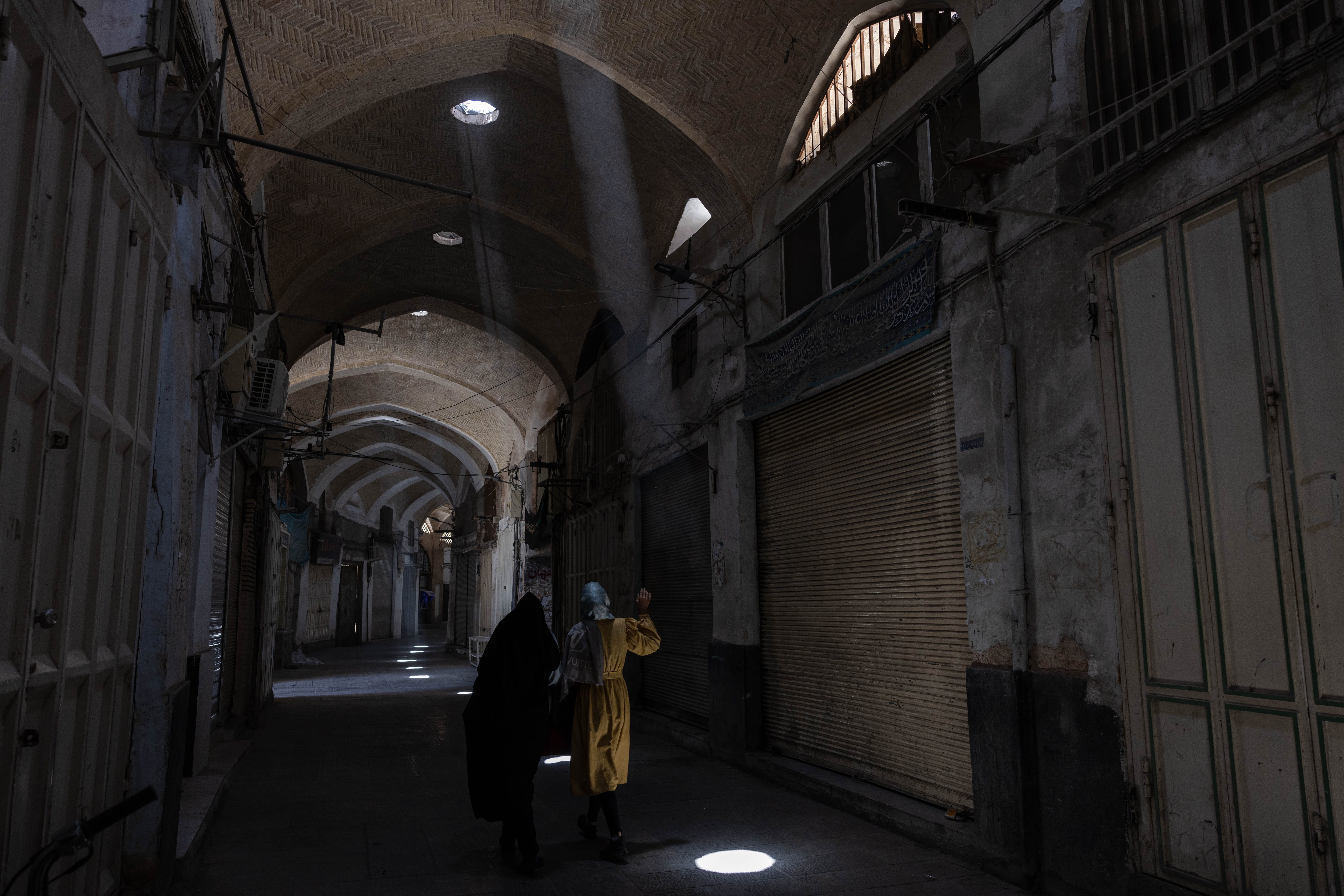
Isfahan is also home to some of Iran’s most iconic sites and World Heritage landmarks: the great Naqsh-e Jahan Square with its marble floors, the Shah Mosque with its turquoise dome covered with intricate patterns, and the Chehel Sotoun Palace with its columned hall reflected in the garden’s still waters.

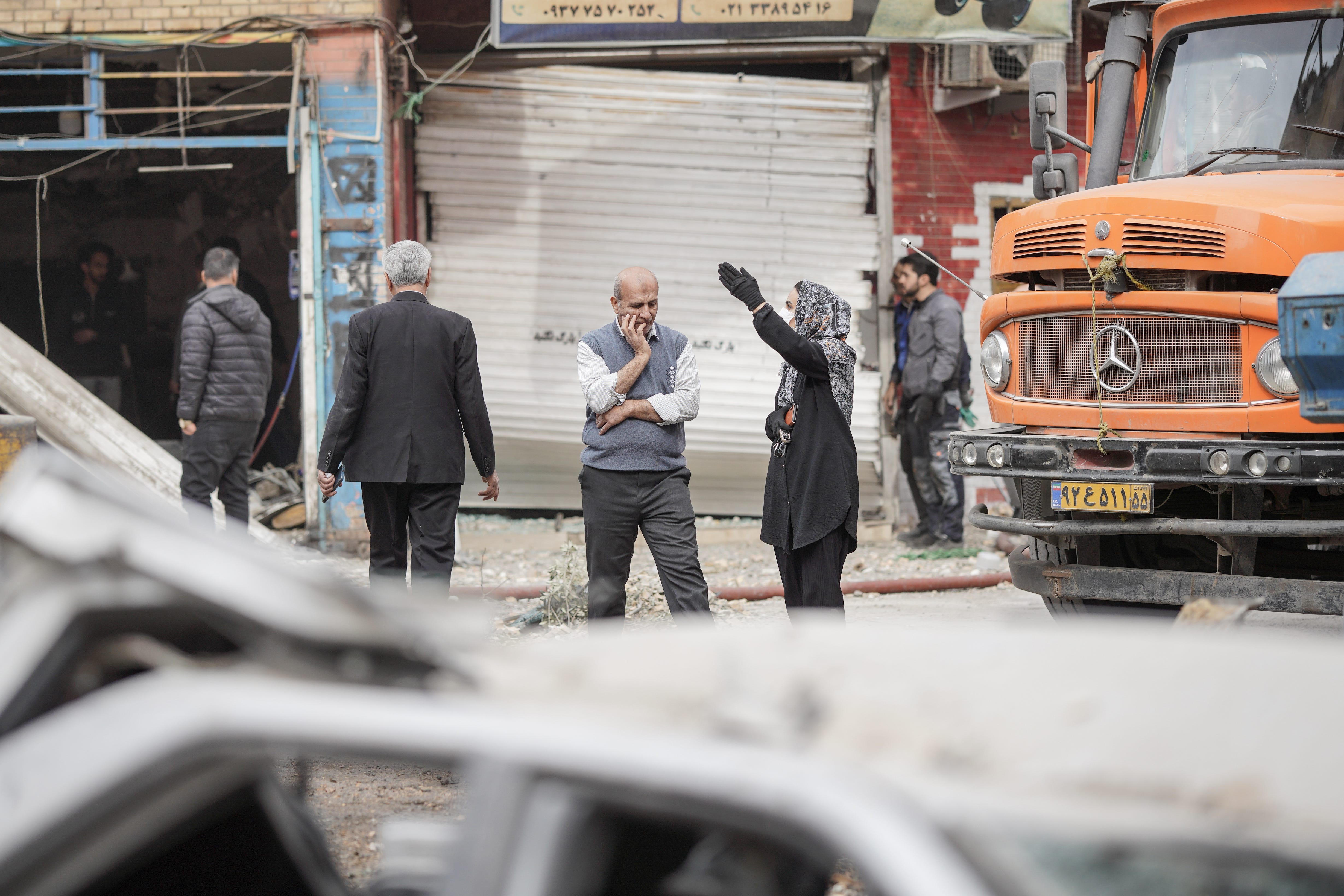
The palace is one of the World Heritage sites that have been struck in the US-Israeli war – one of more than 120 historical sites damaged across the country.
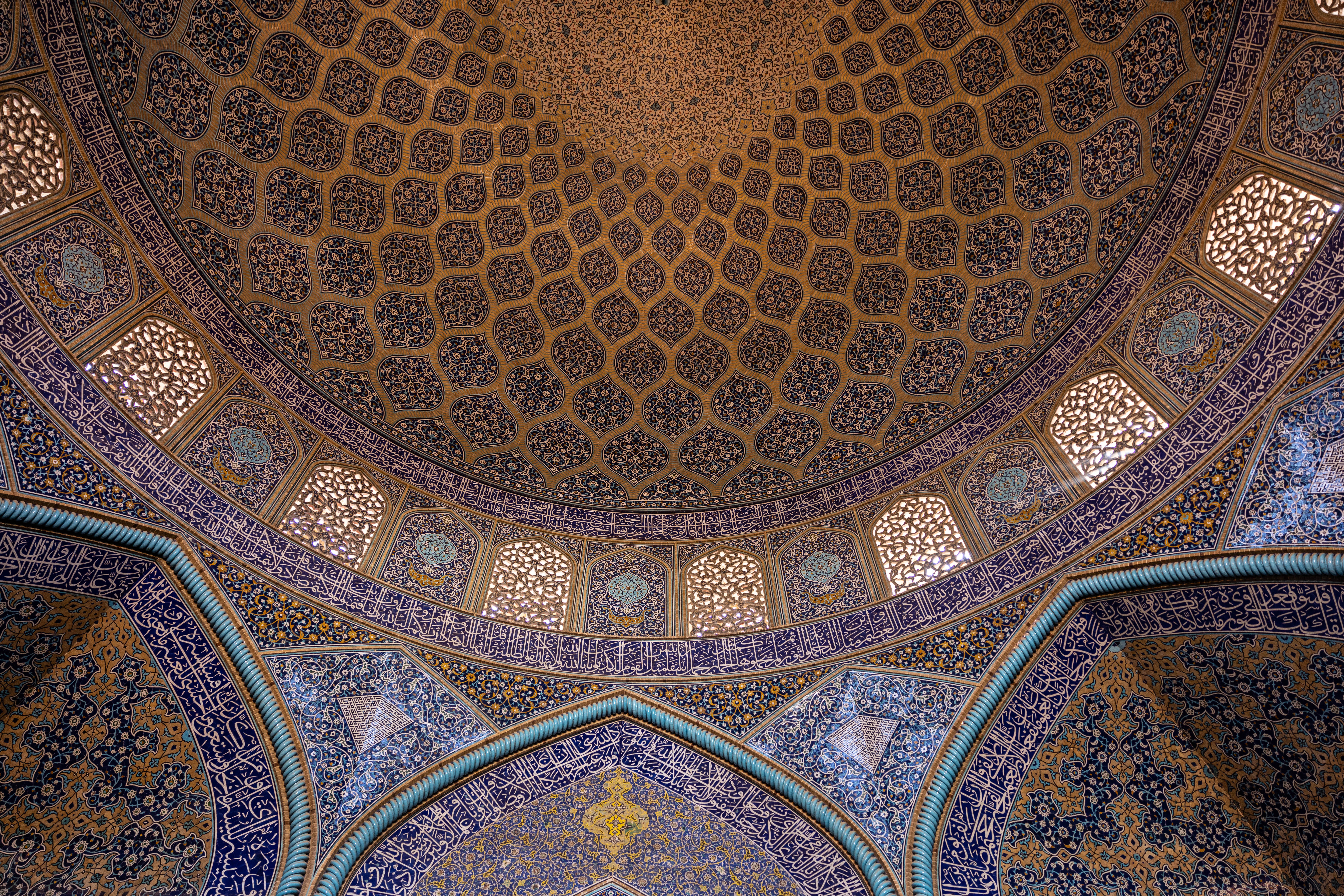
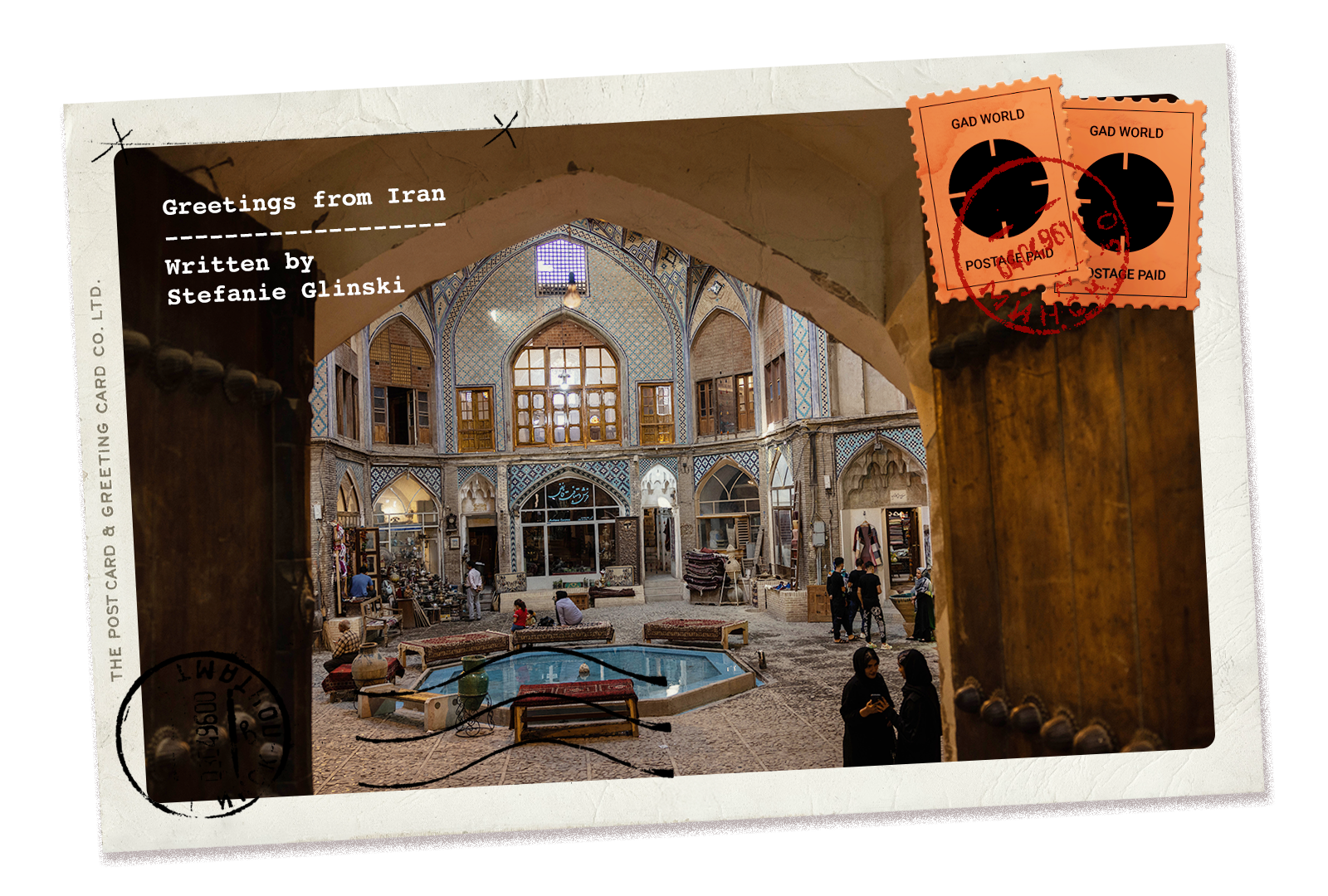
Then there is the city’s grand bazaar, usually bustling with life. Its long corridors are lined with stalls selling handicrafts and block-printed tablecloths with intricate floral designs – typically Iranian, typically Isfahani.
But on my last visit during a holiday, everything was closed. Shops shuttered, restaurants dark, the usually lively bazaar completely deserted.
I walked through the silence. Small openings on the roof let in narrow shafts of sunlight, cutting through the dim halls in soft beams.
Occasionally, someone passed by. A man pushing a cart, two women strolling and talking who paused to ask where I was from, before smiling and saying:
“You are very welcome here.”
It’s a small gesture.
And yet, it makes me wonder how many Iranians were warmly welcomed in Europe. I think we could all do with a little more Iranian hospitality.
Postcards from Iran
Stefanie Glinski is a journalist and photographer primarily covering the Middle East and Asia for Foreign Policy and The Guardian. Mohammad Mohsenifar is a photojournalist based in Tehran, Iran.
Life. In this series, they tell short stories of ordinary Iranians, and of the places and traditions that define the country. While the war in Iran has dominated the headlines, they highlight other sides. Amidst the death and destruction, there is also culture and architecture, food and hospitality.
Death. In the unprovoked US-Israeli war, at least 1,701 civilians have been killed, including at least 254 children, according to the US-based human rights organisation HRANA.
Injuries. In Tehran, over 8,600 people have been injured, 87 per cent of whom are civilians, according to emergency services. Nationwide, 45,000 people have been injured, according to the Iranian Red Crescent, including at least 1,767 children, according to UNICEF.
Displaced. At least 3.2 million people have been internally displaced, according to the UN refugee agency UNHCR.
Hospitals and schools. Over 2.2 million children have had their access to healthcare disrupted as 442 health facilities have been damaged, according to the Ministry of Health and the Iranian Red Crescent. In addition, over 760 schools have been affected, according to the Ministry of Education and UNICEF.
Infrastructure. More than 115,000 civilian buildings and units have been damaged or destroyed, according to the Iranian Red Crescent and the UN humanitarian office OCHA.
World Heritage. UNESCO has confirmed direct damage to the World Heritage sites of Golestan Palace in Tehran and Chehel Sotoun in Isfahan. Over 120 historical sites have been damaged.