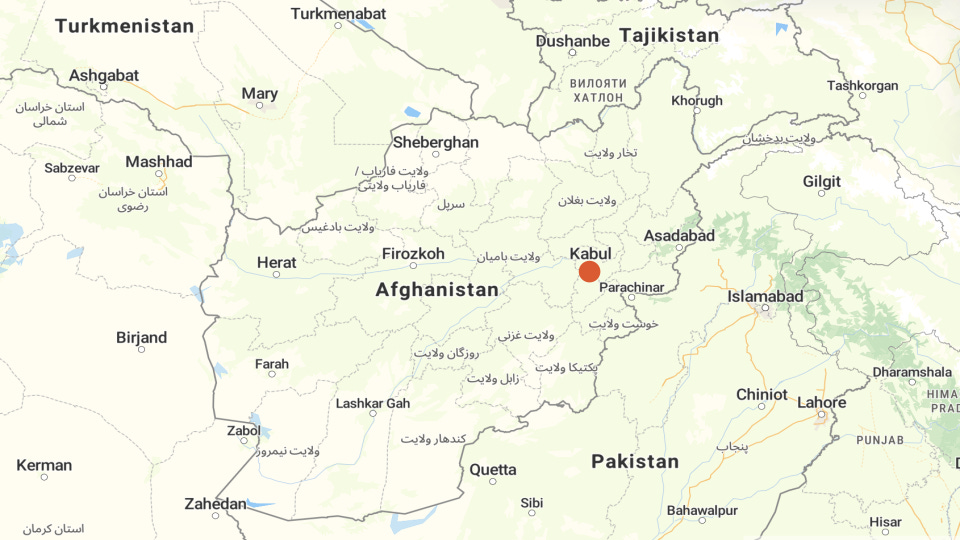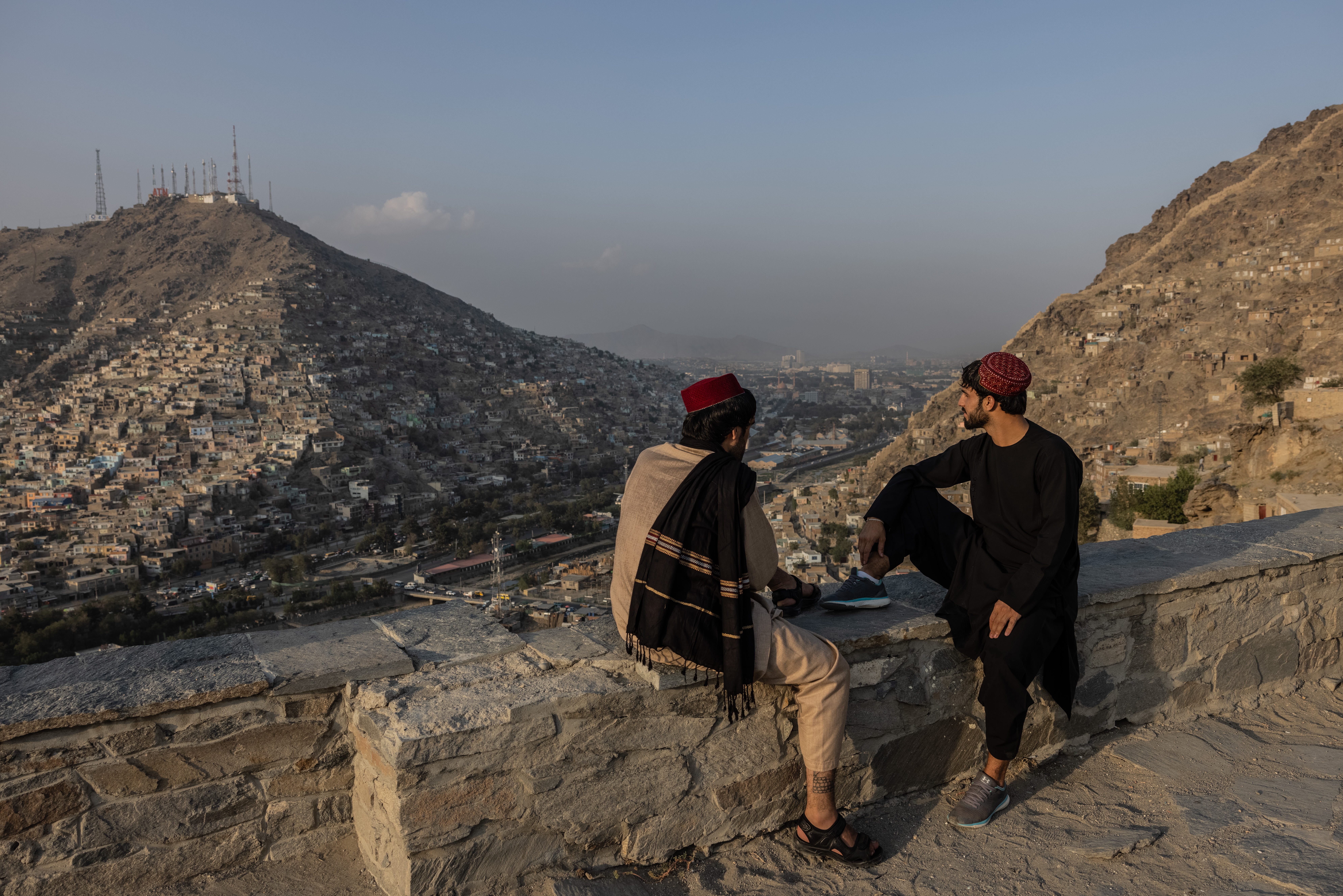
My name is Timotheus Swagemakers, but people call me Tim, and I am not a journalist. You might wonder why I am writing in this publication, then. Well, people tend to tell me I have a knack for storytelling, a trait that comes with my line of work, and after spending nearly a decade in Afghanistan, including a few years under the Taliban, I suppose I have a few stories worth telling.
Let’s start from the beginning.
I am the black sheep of the family, with three older sisters and three younger brothers. When my parents moved from Holland to France when I was fifteen, they decided to put me in a boarding school in the middle of nowhere.
Boarding school is like cilantro; you either love it or hate it. I loved it.
It was a peculiar place with a diverse mix of nationalities, mainly from France and its former colonies across Africa.
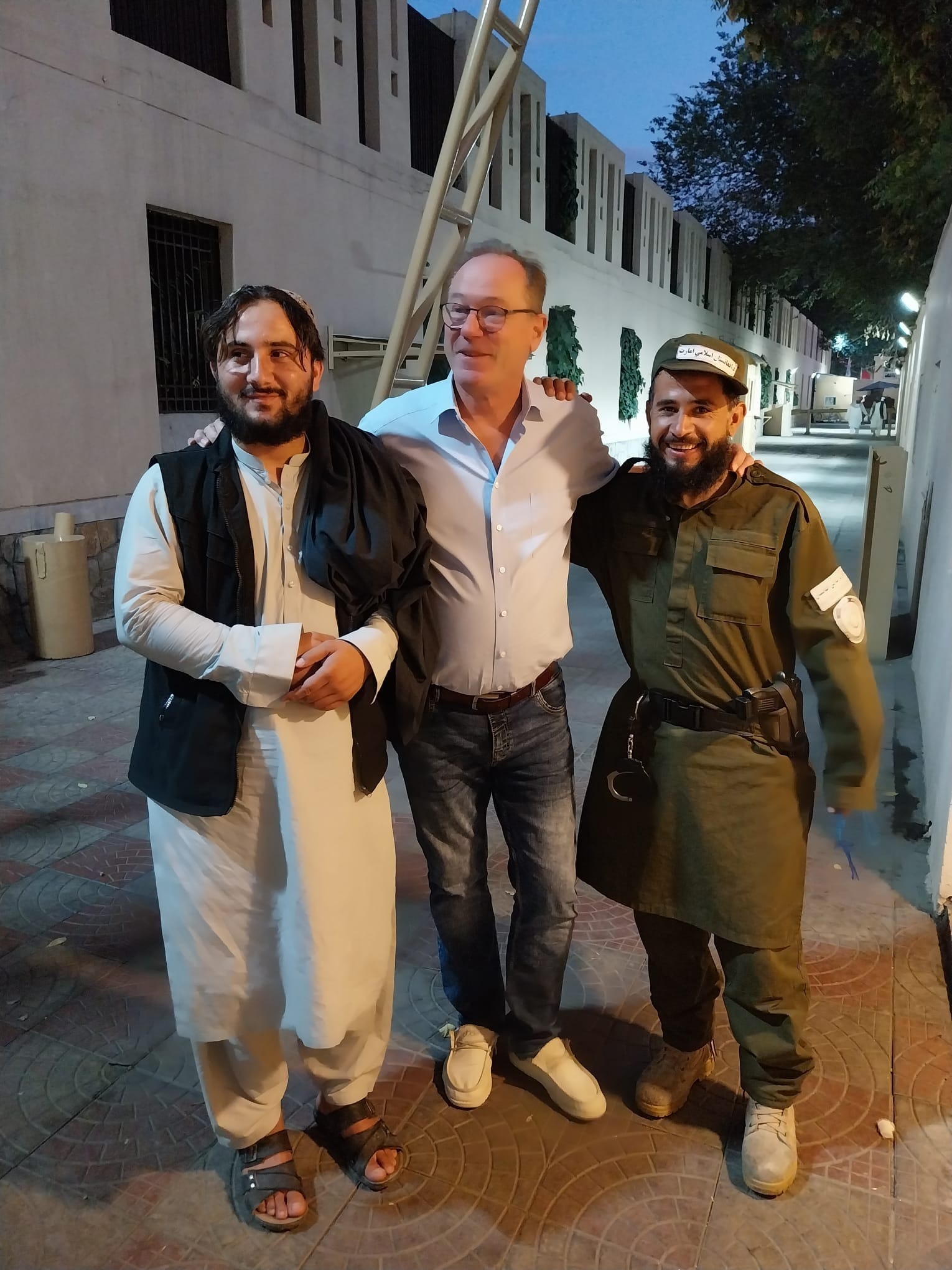
My decision to enter the hotel business has its roots in that school. Encountering such a vast mix of nationalities and beliefs drove me to work with people, and what better way to do that than in the hotellerie.
Yes, that’s me: the guy who ran hotels in a weird collection of countries. Canada, Germany, and Bahrain, to name a few. In 2016, I had to leave the United Arab Emirates and Dubai after a three-year contract expired.
With that contract in the Middle Eastern sandbox gone, I was searching for something new. A fresh start. A better opportunity.

My days were boring, filled with small, repetitive tasks. Updating my résumé, scanning headhunters, and firing off emails into the void. Singapore, Tanzania, Seychelles, Hong Kong … even New York. Names that sounded promising, distant, full of possibility.
Fantasies that so far led nowhere.
I had just shot off another batch when my phone rang, not even ten minutes after I had hit “send”.
“Good morning, Mr. Swagemakers. I noticed you applied for a job in Kabul, Afghanistan.”
Kabul?
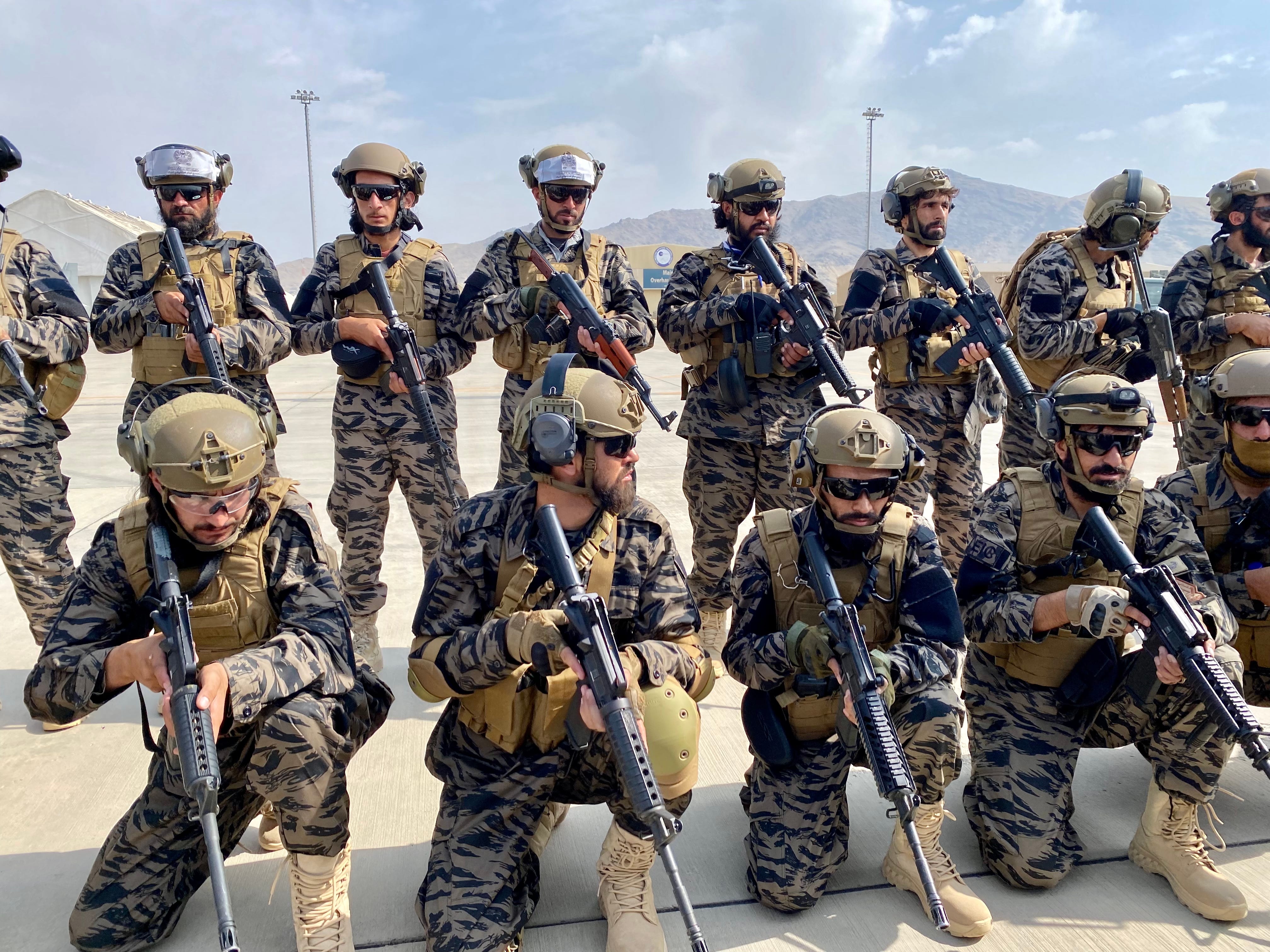
For a moment, everything went quiet. My mind scrambled, flipping through mental snapshots. Kabul didn’t appear anywhere. Not even close.
But admitting that now would make me sound careless. Or worse – uninterested.
“Uhhh … yes. Indeed, I am,” I replied, buying myself time.
“Great,” he said, energized. “I’ll connect you with the CEO and arrange an interview.”
I hung up, slightly puzzled, but not overly concerned. I could always decline.
Since my hunt for the breakthrough couldn’t be described as a success, I figured an interview was still an interview. Practice. Momentum. Something.
He suggested I research the hotel. Look into the background. Prepare myself.
I promised I would. I didn’t.

Almost immediately into the interview, the Pakistani CEO said: “You are aware the hotel has been attacked twice by the Taliban?”
His tone was calm.
“Many people died,” he added, almost casual.
A pause.
“Yes, I am fully aware,” I heard myself say.
The words came out too confident. And instantly, I regretted them. I hadn’t read a single thing about the place.
Maybe I had failed this already, with my bluff. Our short conversation ended.
Never mind. I wasn’t going to Kabul anyway.
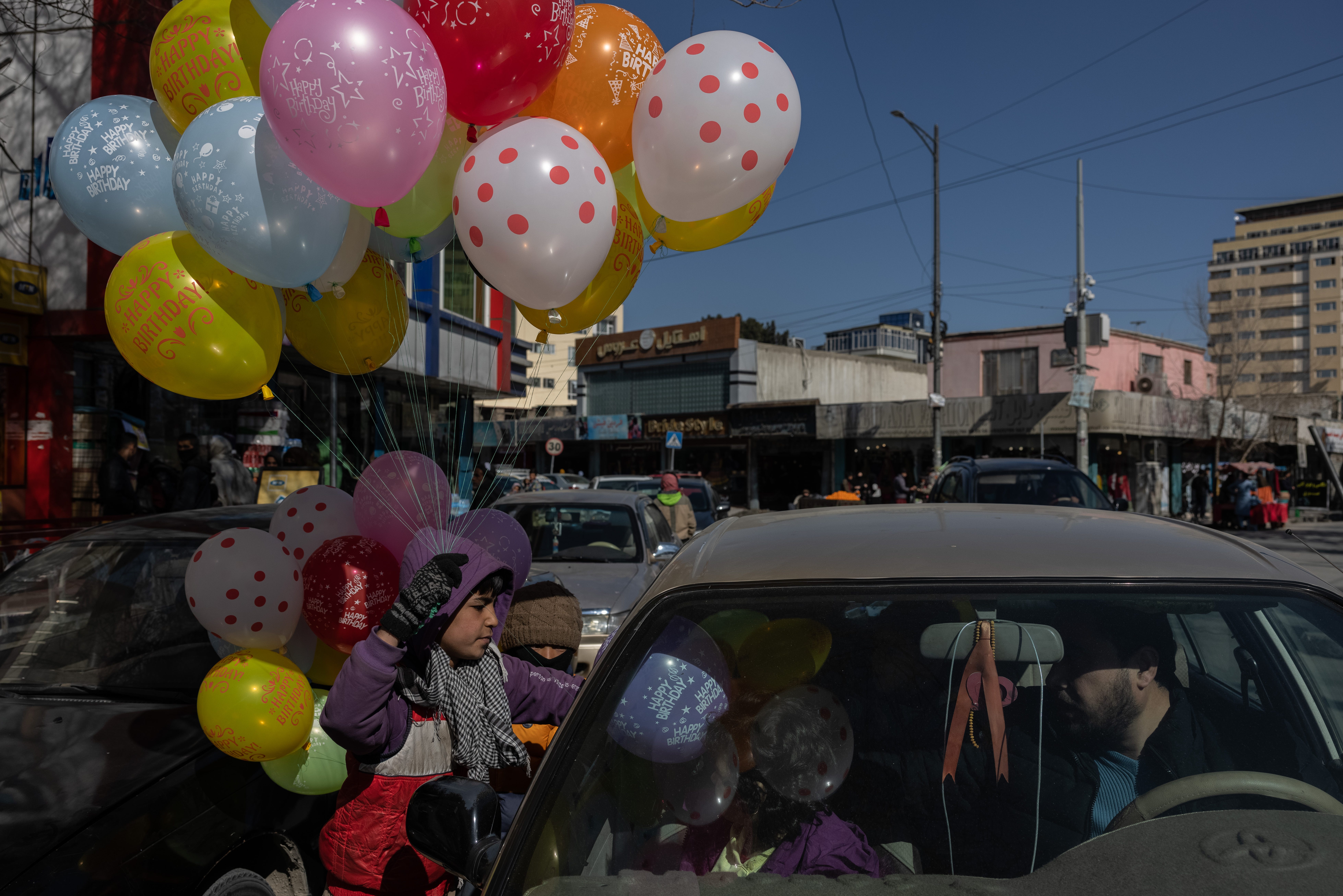
“YOU ARE NOT GOING TO KABUL!”
My German wife Christiane’s reaction was absolute.
“Are you crazy? It’s dangerous. You’ll die.”
Her words hung in the air.
The CEO had already sent me the contract. “Listen,” I said, trying to sound more assured than I felt.
It wasn’t a perfect argument: “Let me just go and see it. If it’s irresponsible, I’ll get on the very next flight home.”
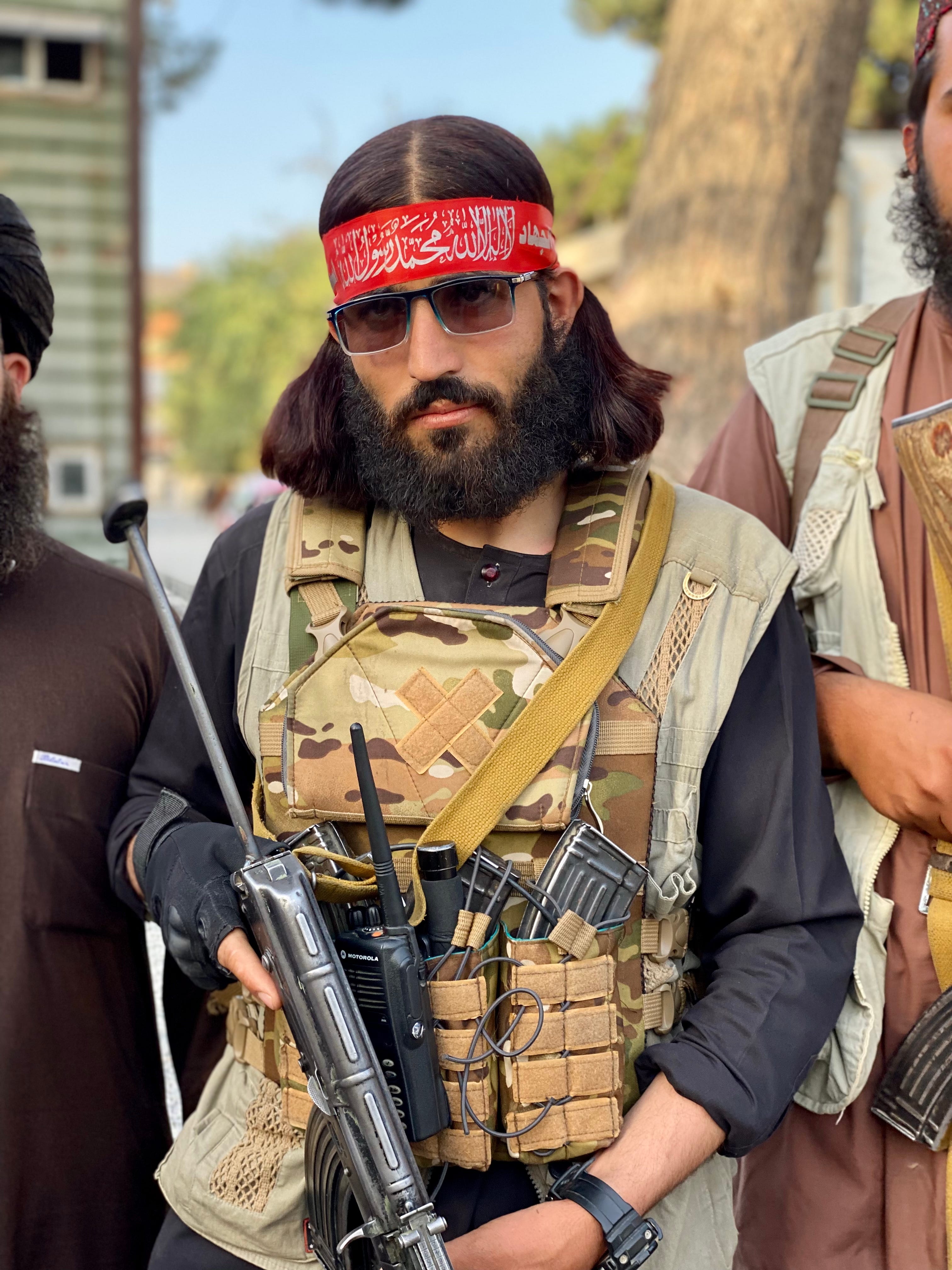
I stepped off the plane at Hamid Karzai International Airport, the dry air hitting me instantly.
A man was waiting for me – the Chief of Security. No small talk. Just a nod, a handshake, and we were on our way.
The city unfolded.
Kabul.
The word had felt abstract before. Now it was real.
The traffic wasn’t “bad”. It was chaotic. Two-lane roads forced into four, sometimes five. Cars pressed together like they were part of a single moving organism. Almost all of them Corollas. Mine included, a worn 1986 white hatchback that rattled with every movement.
There were no rules, at least none that I could recognise. And yet, somehow, it worked. As it somehow always did in Afghanistan.
We crawled forward. At two, maybe three kilometers per hour. Roundabouts became battlegrounds, with cars entering from every direction, horns blaring constantly. Sharp, aggressive bursts of sound, staking claims to invisible rights of way.
The air was thick. Exhaust fumes clung to everything.
And slowly, it hit me.
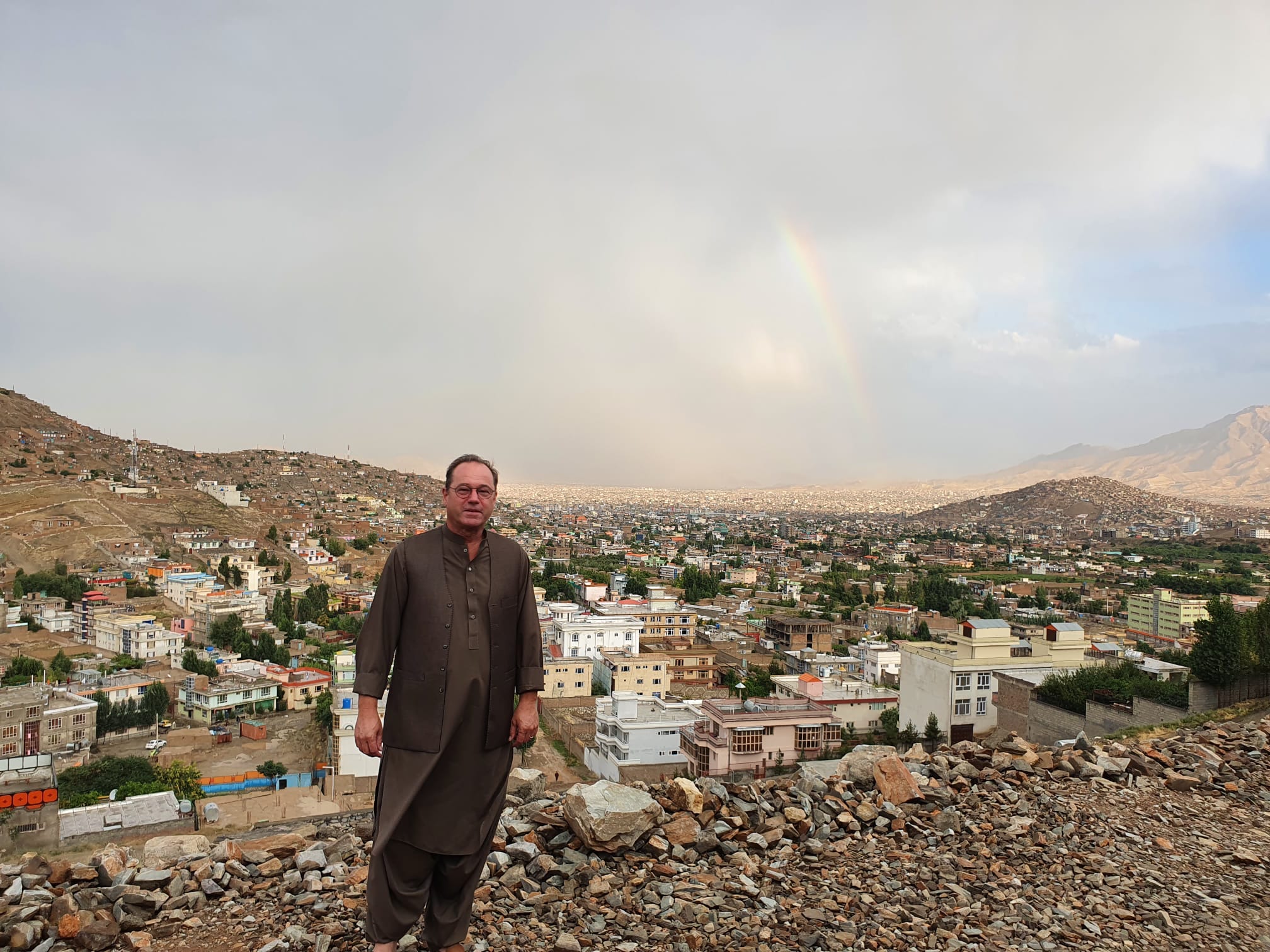
The dirt. The disorder. The unspoken awareness that somewhere, at any moment, something could happen. An explosion. An attack.
You couldn’t see it. But you could feel it.
It was already draining. Imagine being Afghan, having to live with this constantly.
But I had a choice. So what am I doing here? I thought, as I sat cramped in the small car, inching forward.
“Hotel.” The driver pointed ahead.
I didn’t recognize it as one. It was just a high wall. A barrier. Two armed guards.
We stopped. The men with weapons took a quick glance inside. The barrier lifted.
A few meters later, another stop. This time, a mirror check. A guard slid a round mirror, the size of a large pizza, under the car, scanning for explosives. (Later, I’d learn they were called MIEDs, Magnetic Improvised Explosive Devices, or sticky bombs.)
The mirror guard’s attention seemed divided. His eyes kept drifting upward, studying me. The new General Manager. News travels fast. Apparently satisfied, more with the GM than the car, he waved us through.
Five meters forward. Another barrier. K9.
(Security specialists tend to abbreviate a lot. Once I was traveling in Kabul in my Toyota when a warning came that there was an explosion at HKIA and one should avoid the area. How am I going to avoid an area when I don’t know where HKIA is? Apparently it is Hamid Karzai International Airport. So the K9 is for canine, or dog.)
The animal circled the vehicle methodically, its nose working, searching for anything out of place. I was spared the interior inspection that was otherwise mandatory. Already VIP.
Another signal.
Then, the airlock. A massive sliding gate moved aside, and we rolled forward over a heavy metal bump. The underside of the car scraped loudly. (This was a deliberate design meant to dislodge anything that might have been attached. Just in case the pizza-mirror and the K9 had missed something. A camera captured everything from below. Still, as the CEO had pointed out, the hotel had been attacked twice.)
The first gate closed behind us, and for a brief moment, we were sealed in.
Then the second gate opened.
The transformation was immediate. An Afghan doorman in traditional clothing greeted me with a warm smile, as if none of the tension outside existed. (I wonder if I had felt different in that moment, had I known that one day, a Taliban would be standing at that very door to greet me.)
The man guided me in. Marble floors. Hand-carved wood. Clean lines. Quiet elegance. Windows opened onto gardens. Courtyards with roses. Pockets of stillness.
It felt like a hidden world. One I felt drawn to.
And for the first time in a long while, I thought I might not have made the worst mistake of my life after all.
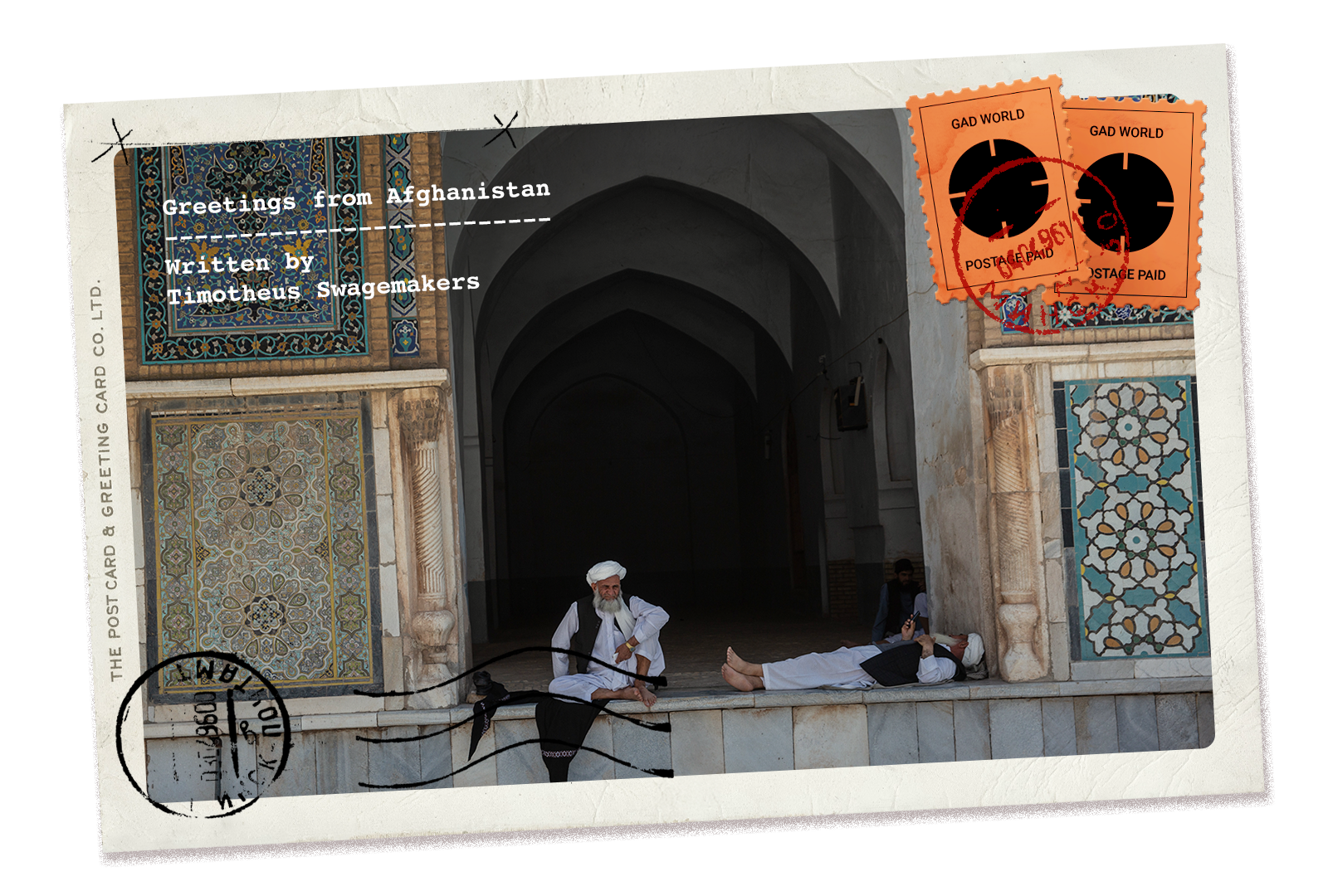
Postcards from Afghanistan
Through the eyes of hotel manager Timotheus Swagemakers, this series of stories offers a rare glimpse into some of Afghanistan’s hidden worlds.
Life. While headlines have long defined Afghanistan by its scars, these stories look beyond them – towards the unexpected light of everyday life and encounters where life continues, unseen by the outside world.
Dignity. Beyond the story of endless wars, there is deep hospitality, ancient traditions, and a people whose dignity cannot be shaken by the shifting tides of power.
The Graveyard of Empires. Afghanistan’s history has been shaped by the country’s strategic location, which has led to repeated attempts at conquest by Alexander the Great, the Mongol Empire, the British Empire, the Soviet Union, and the United States – all of whom eventually withdrew in the face of fierce Afghan resistance.
Decades of Invasion. In 1979, as the Cold War intensified, the Soviet Union invaded Afghanistan. It sparked a decade-long war that drove millions of people from their homes. After the Soviet withdrawal in 1989, the power vacuum led to a brutal civil war between rival factions.
The Taliban Cycles. The Taliban first seized power in 1996 and imposed strict rule until 2001. After the September 11 attacks in the United States – in which no Afghans were involved – a US-led coalition invaded and remained in the country for 20 years. In August 2021, as international forces withdrew, the Taliban returned to power.
The Human Cost. After more than 40 years of almost uninterrupted conflict, the Afghan people remain the primary victims. They have been denied the opportunity to develop their nation in lasting peace, leading to one of the world’s largest displaced populations and a devastating humanitarian crisis.
Education and the Future. Today, millions of Afghan children are out of school, while women face severe restrictions on their fundamental rights to work and study – casting a shadow over the future of an entire generation.
Cultural Resilience. Despite the destruction of cultural heritage such as the Buddhas of Bamiyan, Afghanistan remains a cradle of Silk Road history, where poetry, craftsmanship, and a deeply rooted sense of honour continue to shape the soul of the nation.