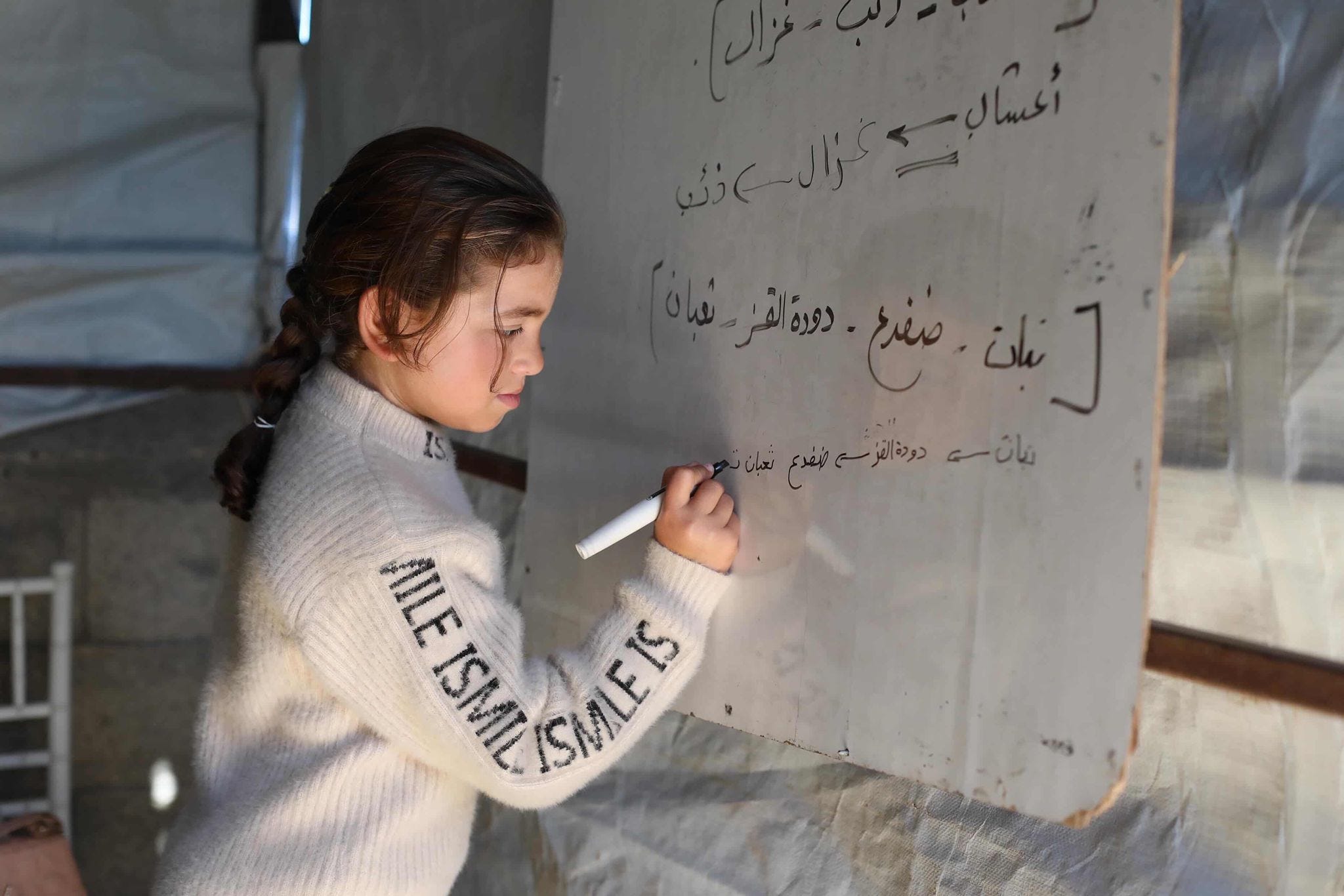
In Gaza, the pen has never been just a tool for writing. It has been our daily prayer and our most important battlefield. We are the people who brought illiteracy down to zero before the gates of hell were thrown open. We are the ones who capture light from the deepest shadows of blockade and war.
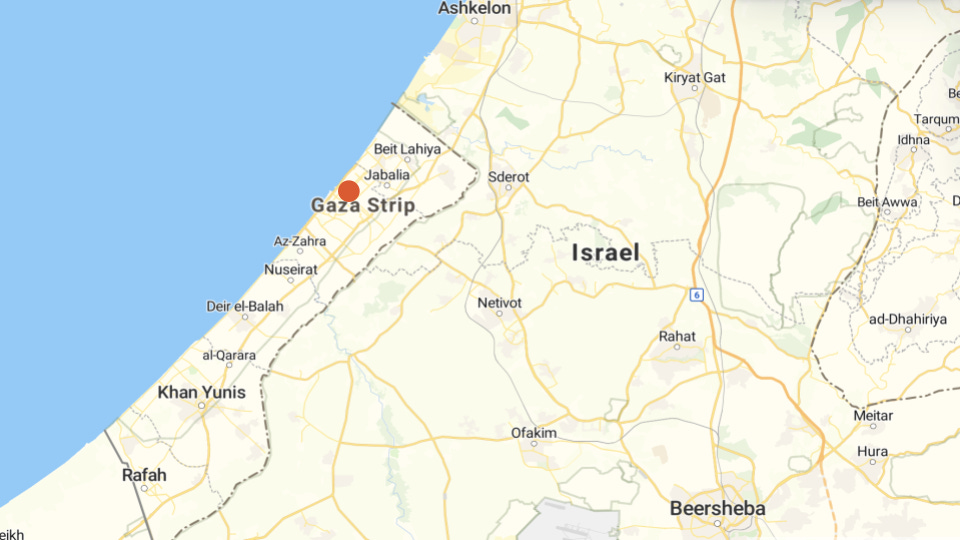
In the 1990s, I spent my youth in Al-Rimal, Gaza’s most elegant district. There, in the UNRWA schools at the heart of the neighborhood, my first dreams were woven.
The image of my teacher, Kainat, and her legendary authority lives on in me forever. It was she who taught me the art of writing. A strict disciplinarian, she would punish us by making us stand all day or copy our homework tenfold, yet we loved her through our diligence and respect.
She instilled in me the strentgh that became the foundation of my resilience, a refusal to give up, even as the occupation suffocated our peace with constant raids and a pressure that never lifted, and curfews that began as early as seven in the evening.
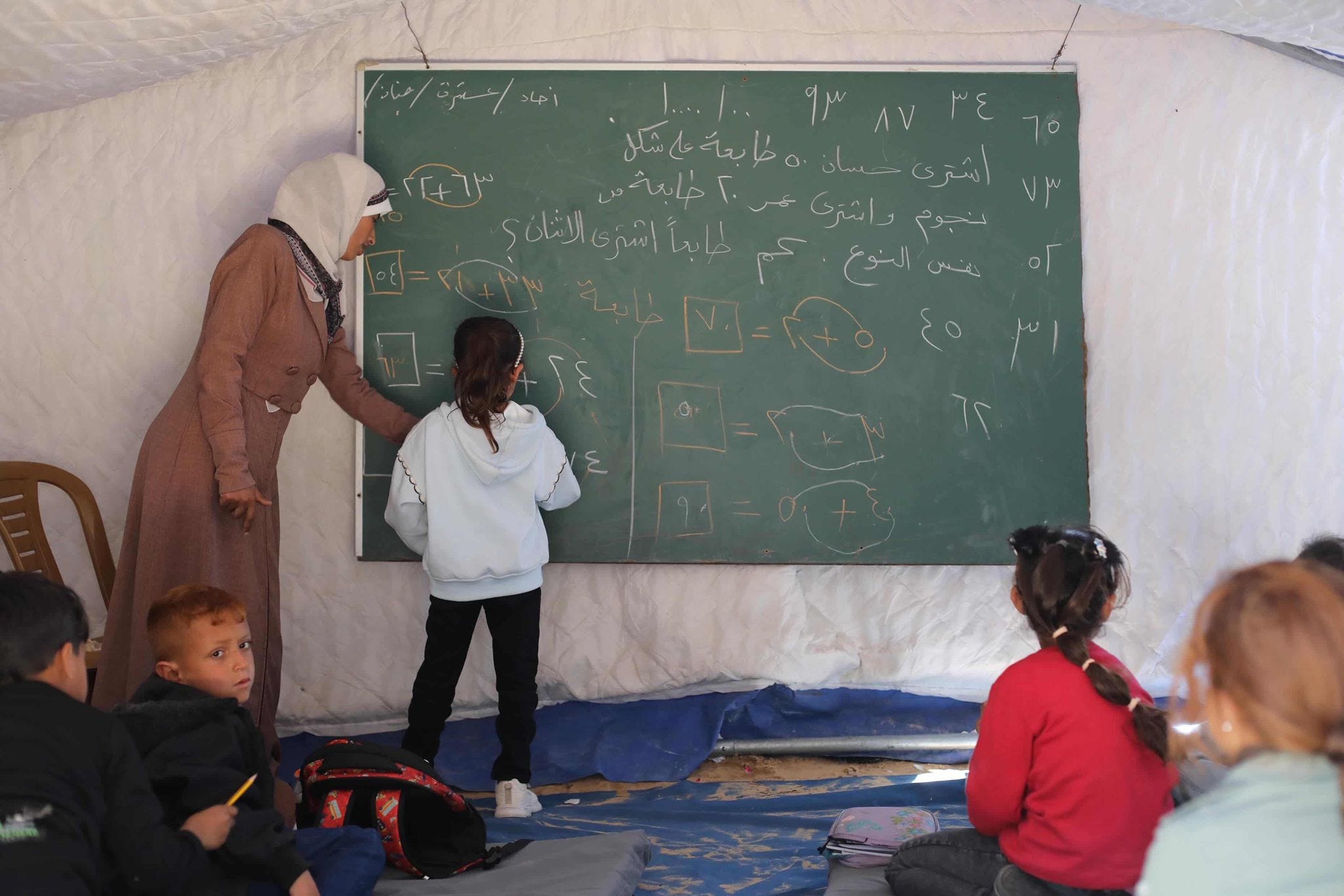
I married in 1996, but in 2003, amidst the Second Intifada (2000–2005), I made a difficult and life-altering decision. I would return to school, even though I was already a mother of three. And I did not stop at secondary education, I pushed forward, completing my university studies alongside my children, all under the weight of a suffocating blockade and a morning rush that never seemed to end.
Every day at four in the morning, I moved through the darkness of my kitchen in Al-Rimal. Due to the chronic electricity shortages, I learned to find everything by touch, memorising the place of every spoon and jar with my heart rather than my eyes. I never dared to light candles, haunted by the devastating fires that had claimed the lives of so many children across the city.
But the darkness was not free of mistakes!

I remember one morning, at the height of that relentless rush, preparing breakfast. I picked up a jar I thought was salt and sprinkled it generously over the fresh eggs we had collected from our own chickens in the garden. I did not realise I had grabbed sugar instead of salt until the children began to eat. With a mother’s firmness, inspired by my teacher Kainat, I made them finish their meal. Suddenly, the “sugar eggs” turned into a burst of hysterical laughter that filled the entire house.
Even today, after all these years and everything we have been through, my children remember the taste of those eggs with joy, as if that mistake was the “sugar” that helped us endure the bitter days.
In the midst of our laughter, the scent of freshly fried Gaza falafel drifted up from the shop beneath our home, and my son Abood ran downstairs to fetch steaming fresh bread. We ate cheese I made myself and drank tea with mint, while I prepared their school sandwiches with zaatar and cucumber.
Together, we walked through the beautiful streets of Al-Rimal, along the enchanting Lovers’ Street, lined with fragrant juri roses and tall cypress trees that stood guard over our steps. In our eyes, there was a glimmer of defiance against the darkness of the blockade.
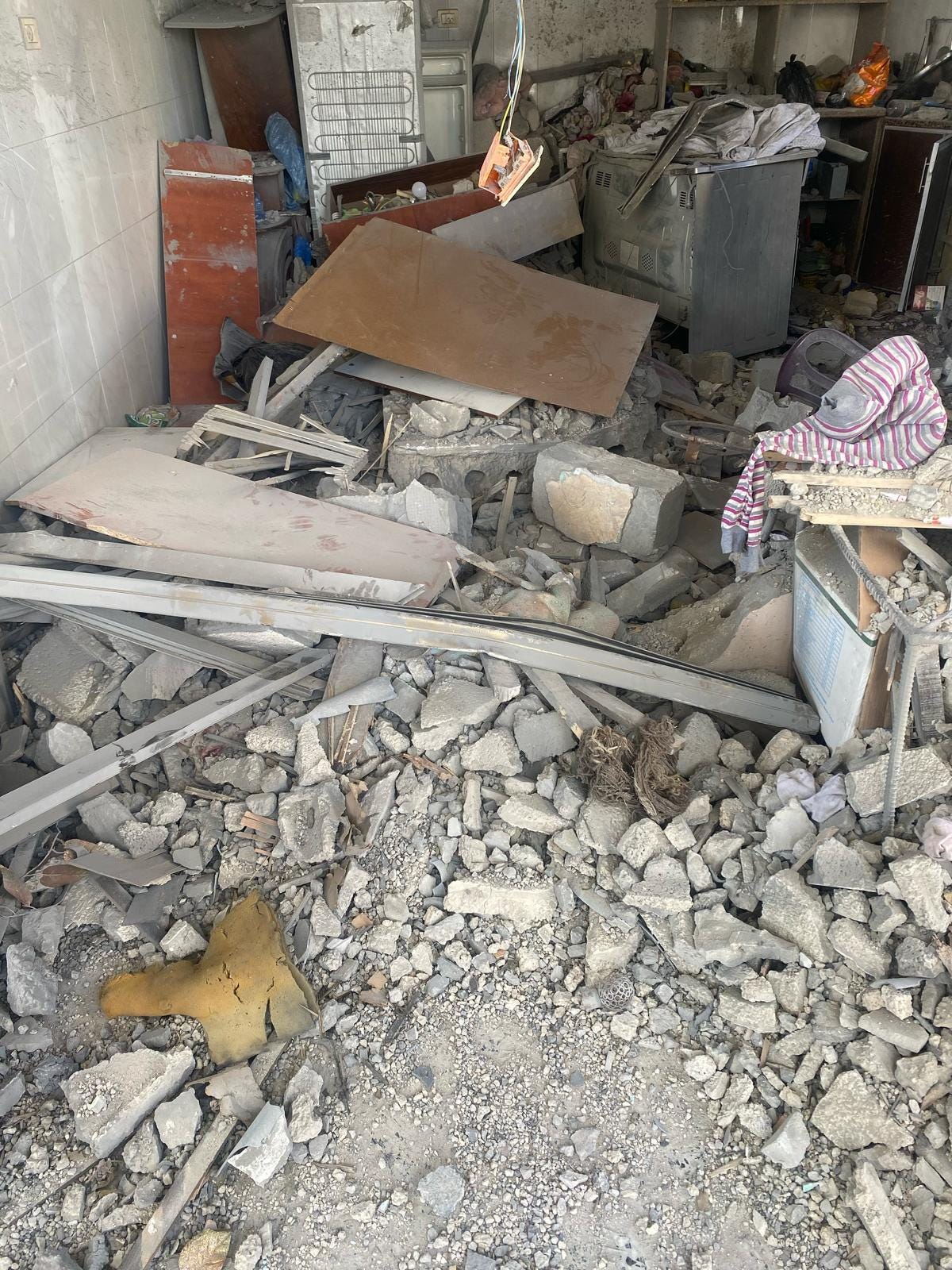
Today, the scene has moved beyond all reason. For two and a half years, a genocide has raged, directly targeting schools and universities, turning temples of knowledge into mass graves for displaced families.
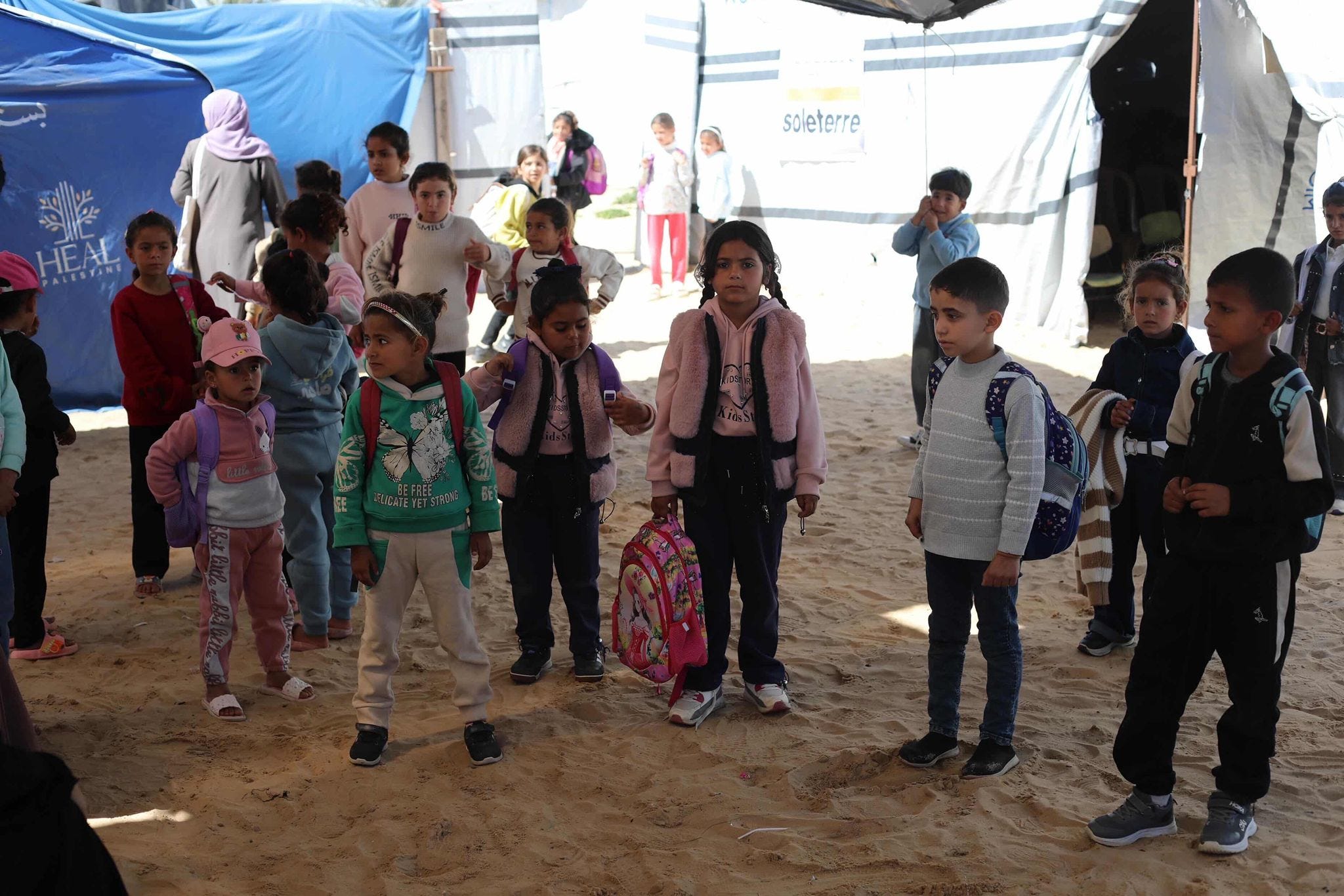
Gaza’s children now write their alphabet inside torn tents, beneath a bombardment that never falls silent and the constant whine of drones overhead. No clean water, no food that satisfies hunger, no clothes to shield them from the winter’s bite or the summer’s heat.
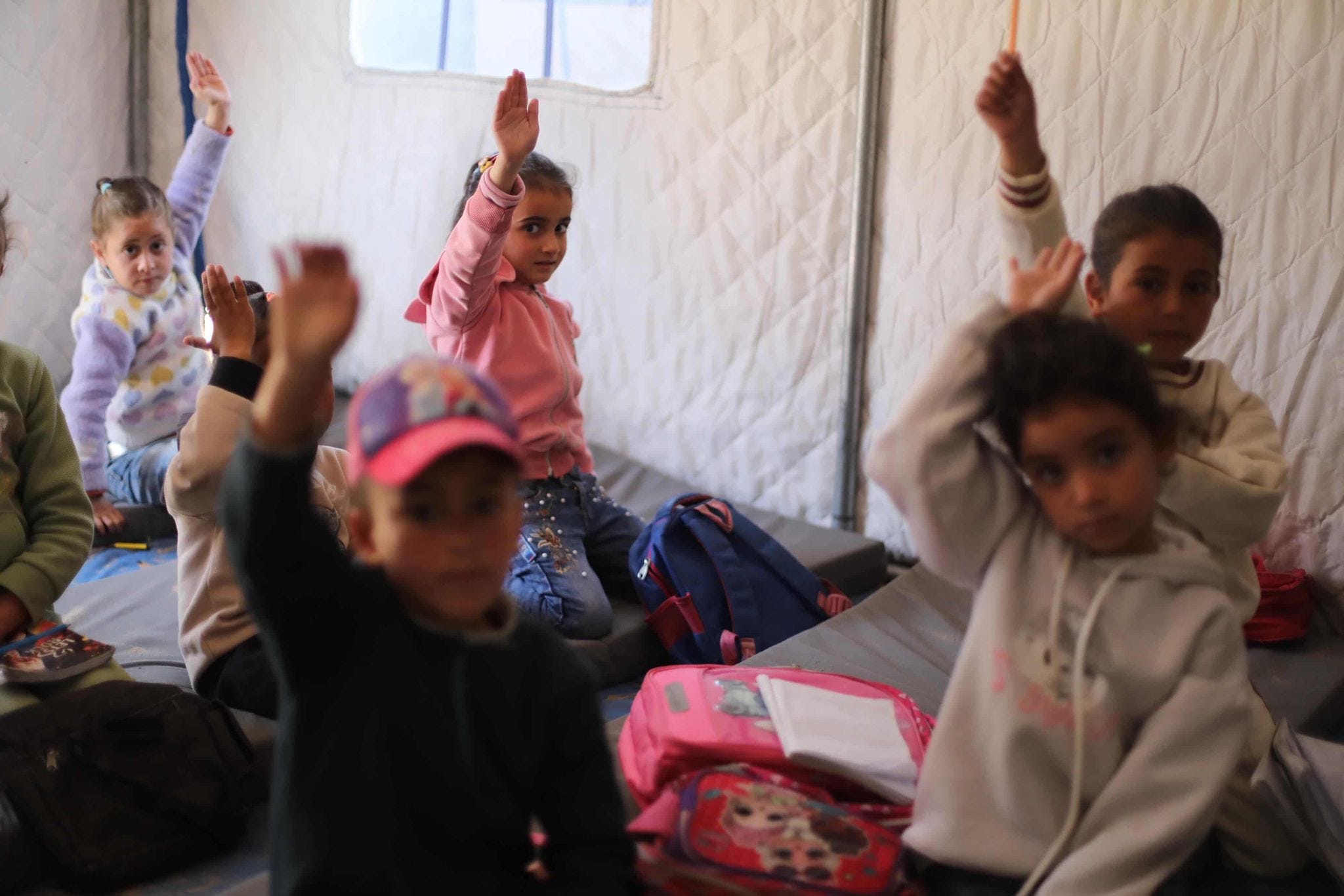
And yet, they refuse ignorance.
The occupation has destroyed Lovers’ Street, uprooted the cypress trees, and reduced the universities to rubble. But they have failed to understand one thing – Gaza itself is the world’s largest school.
We are the fishermen who cannot reach the sea, but we are also the palm trees that refuse to bend.
The laughter once born from those “sugar eggs” in Al-Rimal is the same will, the same resistance, that drives schoolchildren today to study on top of the ruins.
We believe that knowledge is the one light that the occupation can never extinguish.
Postcards from Gaza
Khulud Shaban is a Palestinian journalist, born in Gaza in 1980, writing from exile.
Life. This series of personal stories is about how people once lived here – about the everyday life and the places that carried them. The culture, the food, the laughter, and everything they loved. A society forced to suffer and die. Survivors who remember what was with love and pain.
Death. The Hamas-led attack on Israel on October 7, 2023, killed 1,195 people, including 815 civilians and 36 children, according to AFP. Since then, Israel has killed over 72,587 people in Gaza and injured over 172,381, according to Gaza health authorities.
Children. Over 64,000 children have been killed or injured, over 56,000 have lost one or both parents, and between 3,000 and 4,000 have undergone one or more amputations, according to UNICEF.
Displaced. Approximately 90 percent of Gaza’s population has been forced to flee, many of them repeatedly, according to the UN.
Infrastructure. Large parts of Gaza’s housing, hospitals, schools, culture, crops, and historical and religious sites have been damaged or destroyed, according to the UN.