


The American lieutenant John Dunbar looks out across the open prairie. The land is untouched. There is harmony between him, his horse and the natural world. Then he sees them. The prairie covered with skinned buffalo. Bodies without hides, rotting in the sun. White hunters have taken the skins and left the rest.
The sight changes something in him. The story he has been given – of civilisation against “savages” – no longer holds. In the end, he turns against his own army.
For the Sioux who lived there, the people labelled uncivilised and violent, the buffalo was sacred. It was spirit, food, clothing, shelter, tool.
The Sioux have a fundamental worldview known as Mitakuye Oyasin, meaning that all things are related, and that human beings do not stand above the world, but are kin to animals, plants, water, stone, sky and earth. Every action therefore, carries a responsibility to the whole.
Now their source of life had been turned into waste. The landscape into a slaughterhouse.
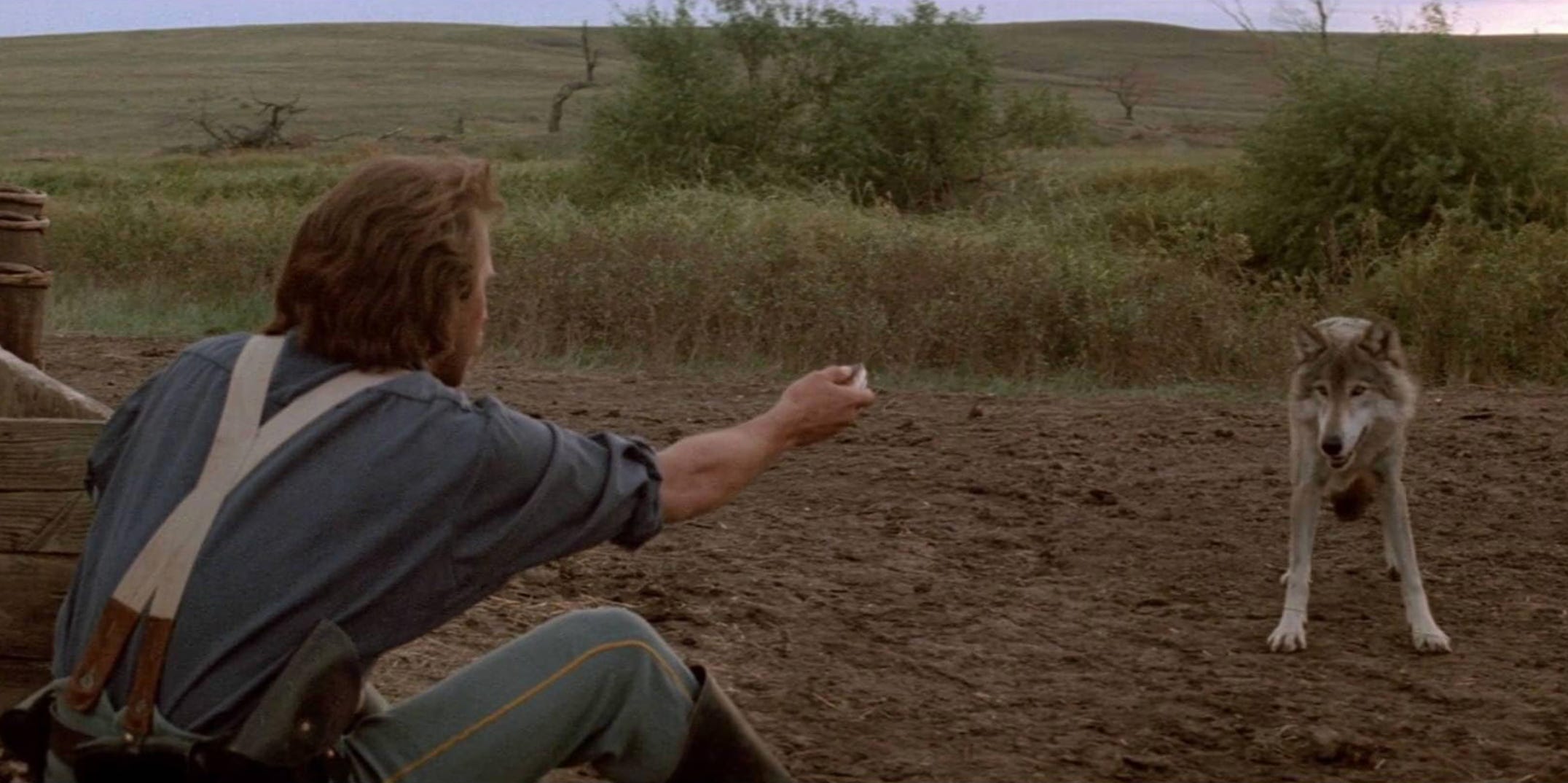
Dances with Wolves (1990) is set during the westward expansion of the United States in the 19th century. The US army and settlers take land by force, invalidate Indigenous customary rights and make their way of life illegitimate.
By exterminating the buffalo, they deprived the Sioux of what they lived from. This is sociocide: not only the killing of people, but the destruction of what makes a society possible. It was a deliberate strategy to force them into dependency – into reservations.
The wisdom of how to live in balance was erased.
Then the people were erased.
The home of the Fur people
On another continent, in another time, the pattern repeats.
Darfur, in western Sudan, is named after the Fur people: dar means “home” in Arabic; Fur is the historic main tribe.
