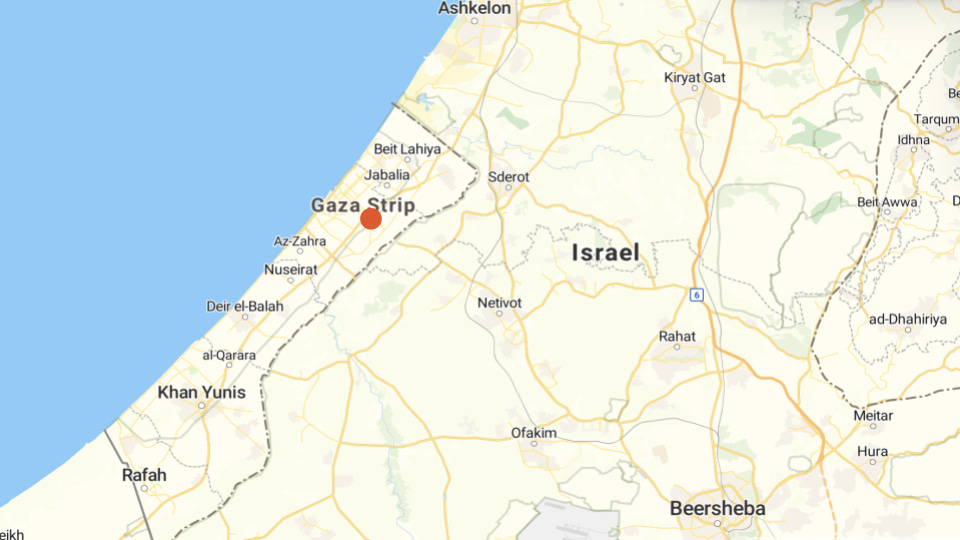
I call my friend Sawsan, who lived near the bathhouse in the old district of Gaza City, but has since been displaced. She weeps with despair, yet I hear a fragile sense of relief that we are finally speaking to one another.
“Do you see what has happened, Khulud?” she says between sobs. “Everything is gone. I cannot understand why they destroyed the bathhouse. It feels as though the target wasn’t just the stones, but the scent of our history, our memories, and all the beauty we carried within us.”
Hammam al-Samra was more than the last historical bathhouse in Gaza. An entire people lived within its walls. The scent of bygone eras rose from the archways, like the steam from the warm water.
Every corner held a story.
I see before me the many visits with Sawsan and my other friends. We brought olive oil and salt to scrub ourselves with. We talked, laughed, and always helped each other. If you went to the bathhouse alone, there was an older woman there whom you could give a few shekels to be scrubbed.
We made hair masks with the olive oil and let it sit while we washed ourselves with Nabulsi soap, which is made from olive oil and is one of the world’s oldest soaps. It has been manufactured in Nablus in the West Bank for over a thousand years, and the soap artisans continue to make it to this day despite the occupation hindering the movement of goods. Each soap is stamped by hand at the factory. UNESCO has protected the craft as a cultural heritage.
It was as if the bathhouse got to know us during our visits. As if it preserved our voices and our laughter between its walls.
It was here that we met Abu Abdullah al-Wazir, who worked at the bathhouse for over 55 years. He served us tea steeped with sage and spoke of its history with the same tenderness as if he were telling his own life story.
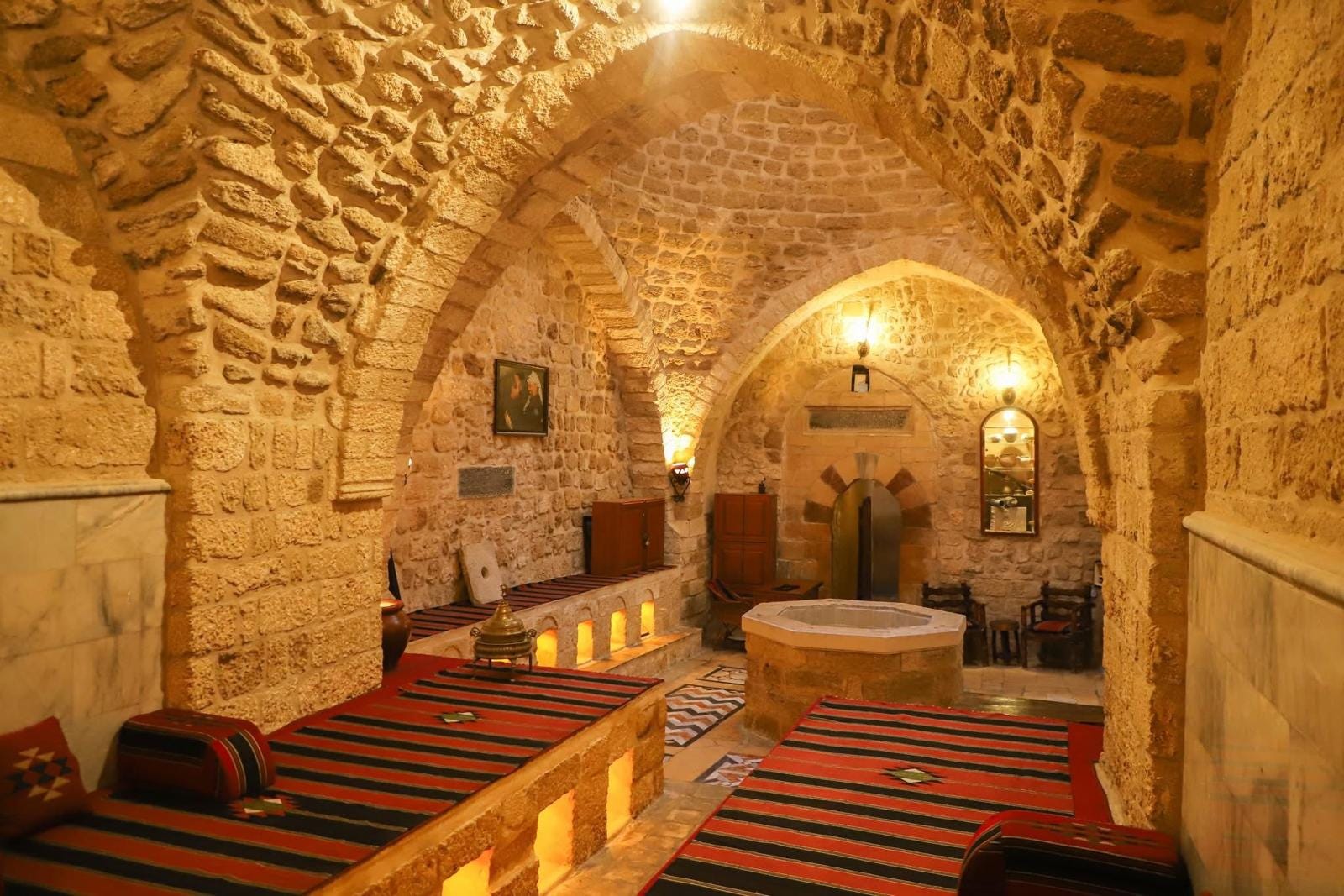
On one wall hung a plaque stating that the building was restored during the Mamluk era, in the year 685 AH (Islamic calendar), around 780 years ago.
It has stood through the ages, a witness to the endurance of a city whose heart never stopped beating.
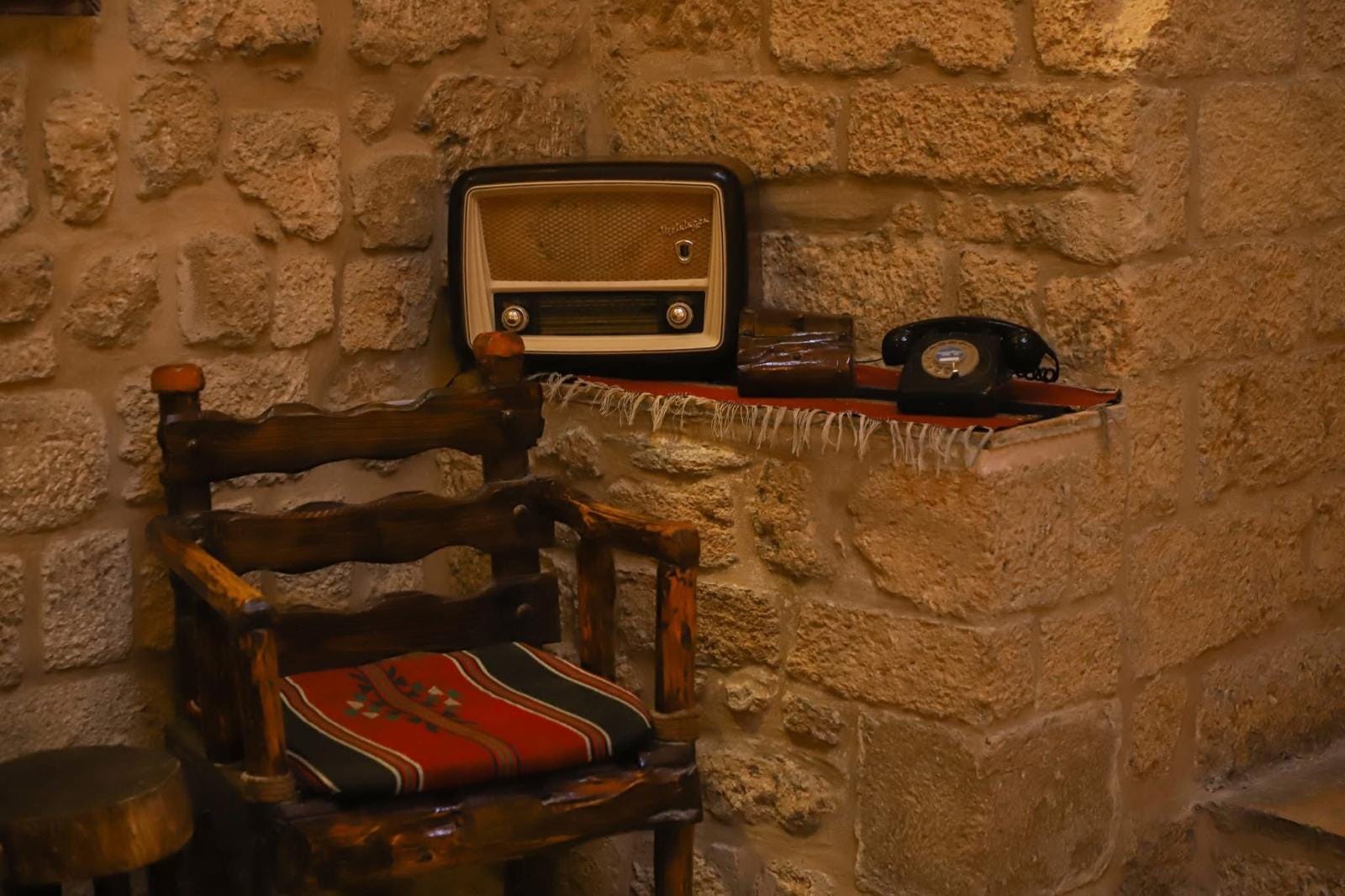
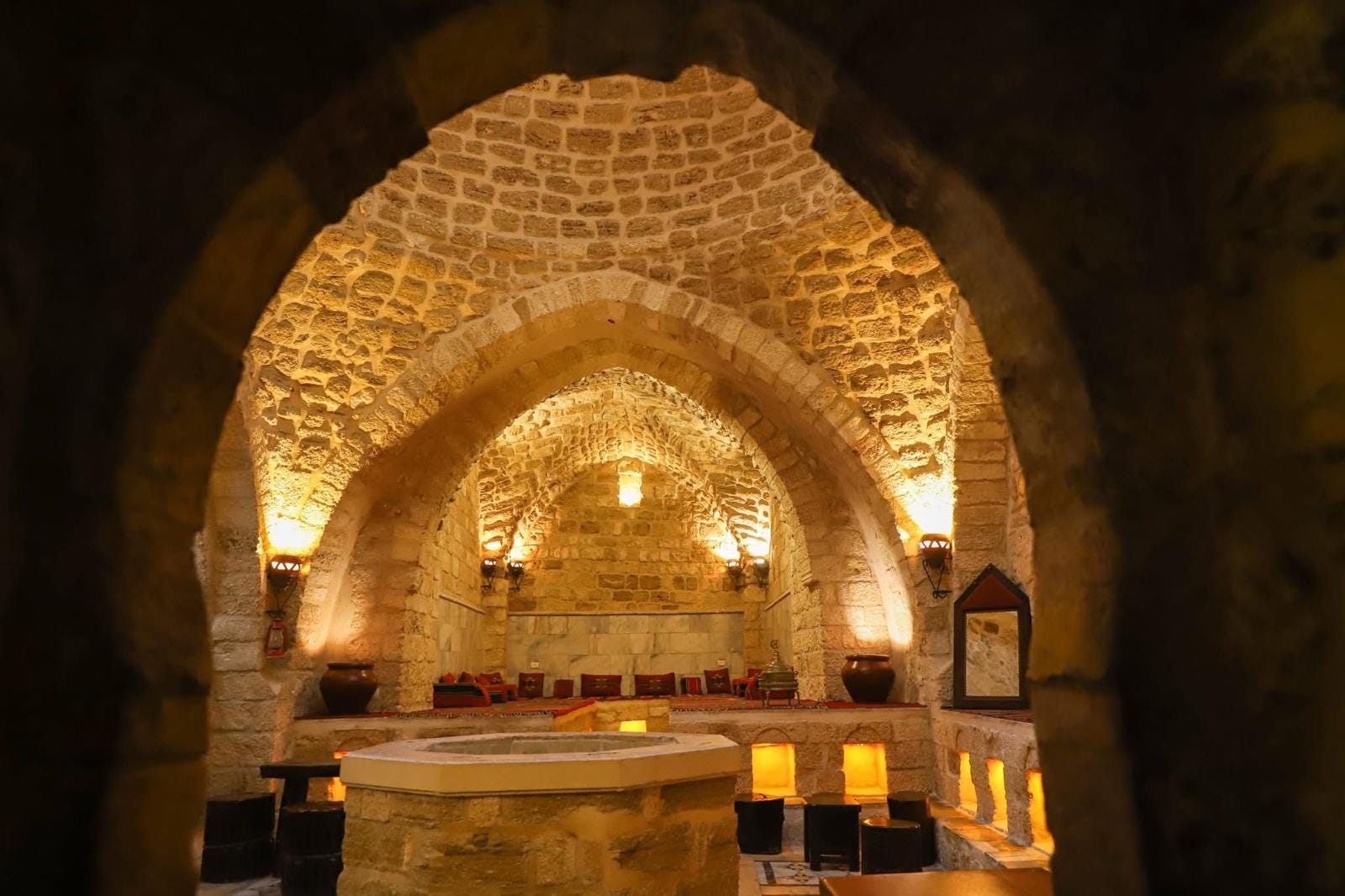
Even its materials were drawn from the city’s soul. The bathhouse was built of Gaza’s golden kurkar sandstone. It was a true Levantine masterpiece, divided into rooms where we moved from the cool outer space, through the warm middle, and into the inner heat.
Above us, the domes arched, with small openings where sunlight filtered through like threads of light. We did not lie on towels, but directly on the stone to absorb the heat. Because it was hot, it was not slippery.
Hidden furnaces spread the warmth, in a system that has endured for centuries, reflected the ingenuity of an earlier age.
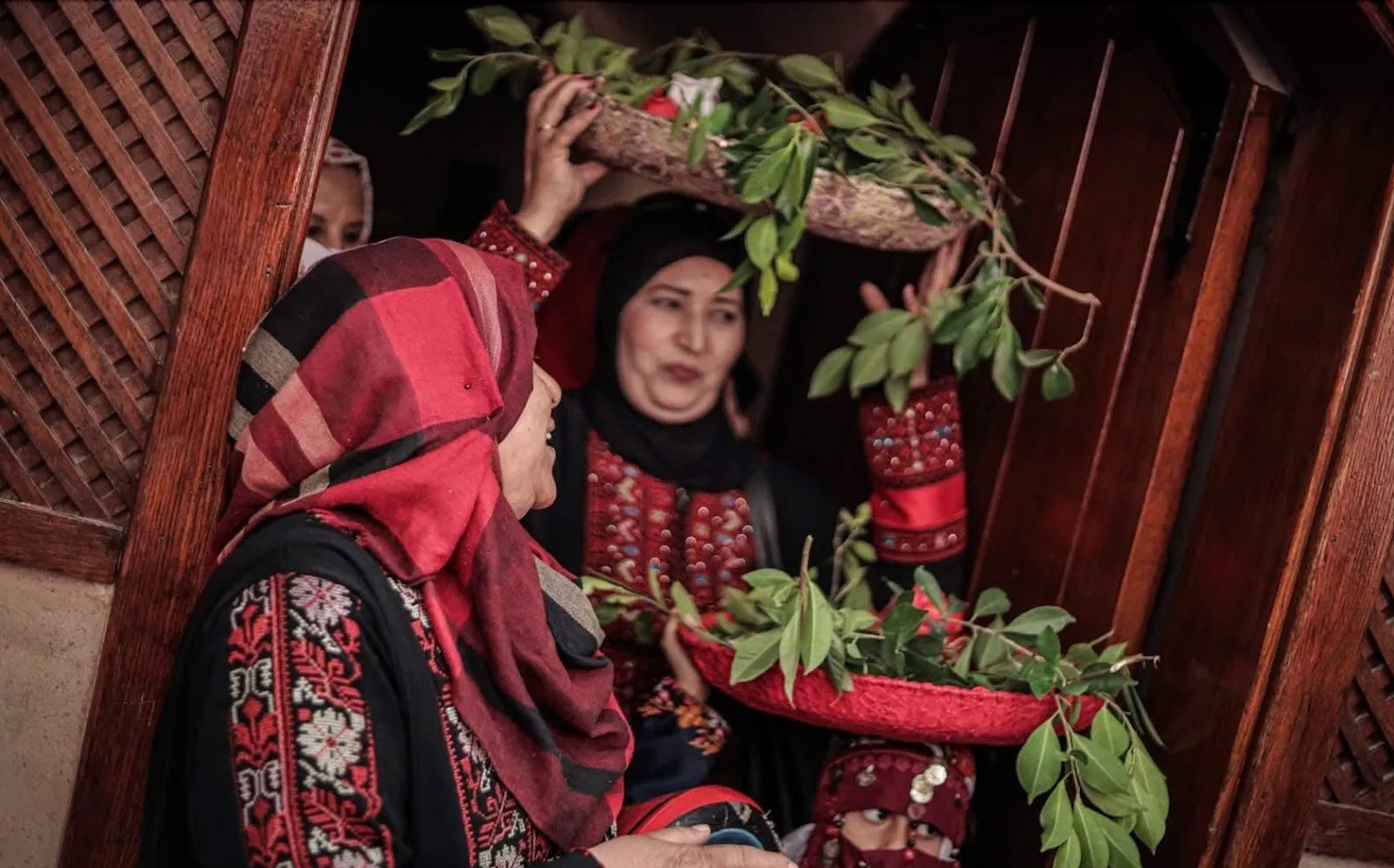
But this was not all. The bathhouse was far more than a place for cleansing. It was a social and cultural heart, deeply woven into the fabric of life in Gaza.
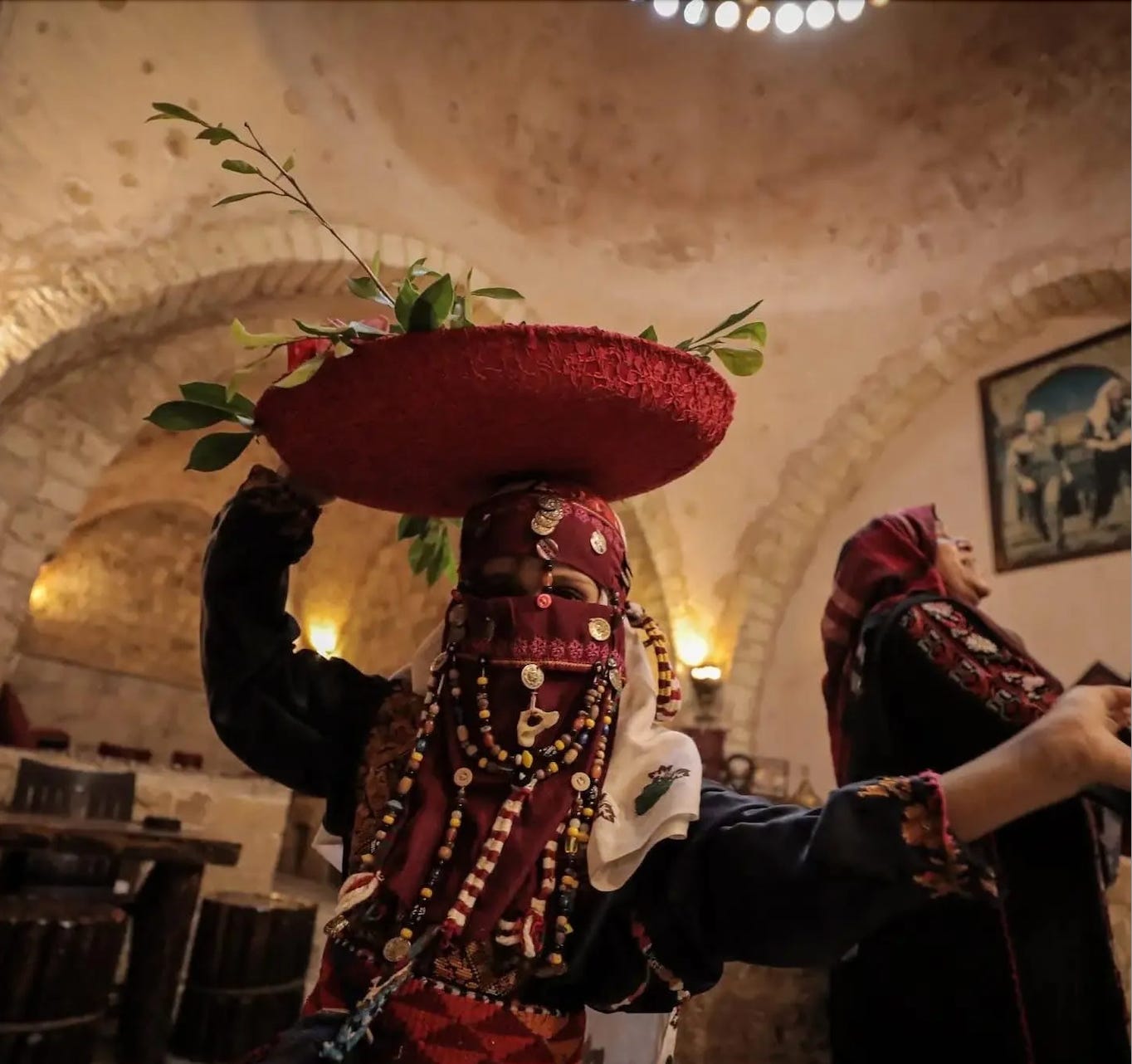
It was here that our wedding celebrations began. For generations, traditions were passed down through the “bridal bath” and the “groom’s bath”.
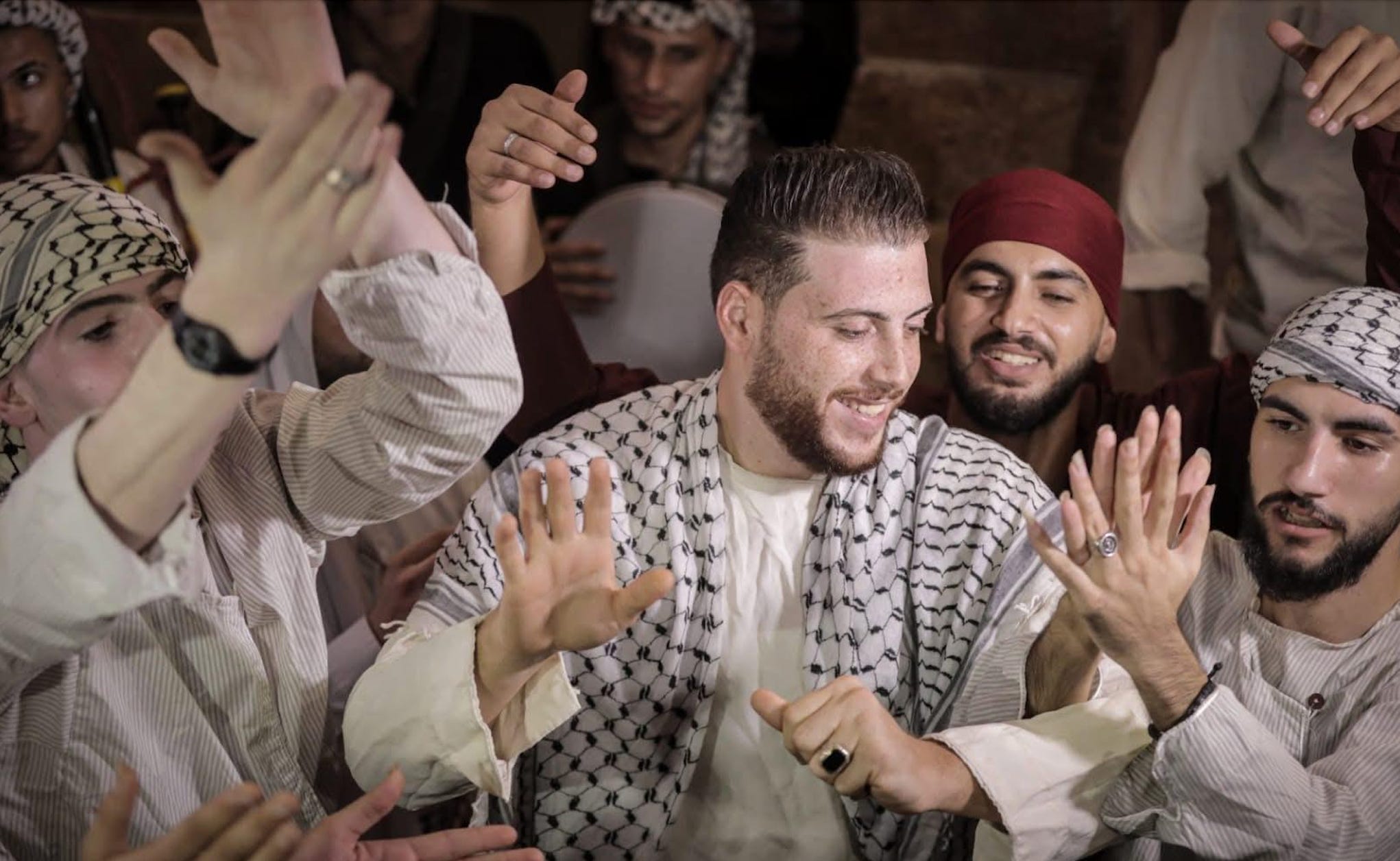
On the “night of henna”, the bride would arrive to the sound of song and the scent of lemon. Women carried olive branches, wearing traditional Palestinian dresses rich with embroidery. On the morning of the wedding, the groom would emerge through the gates in a ceremony symbolising purity.

A new beginning, and a shared joy.
Despite repeated wars, Hammam al-Samra stood as a witness to the continuity of civilisation.
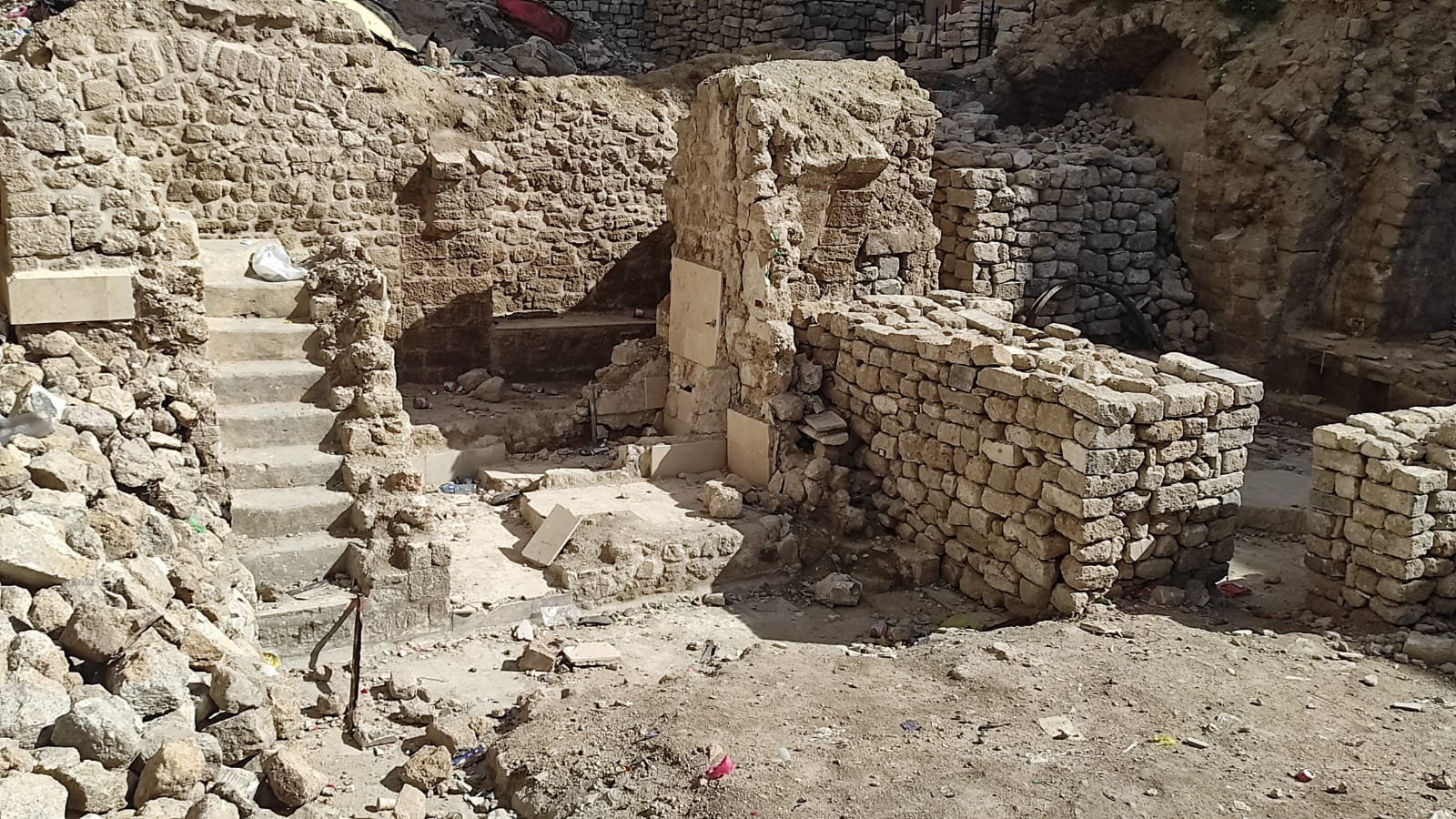
But during the ongoing genocide, the entire historic quarter of Gaza City has been subjected to the occupation’s relentless bombardment.
The bathhouse walls have collapsed. The place has fallen silent.
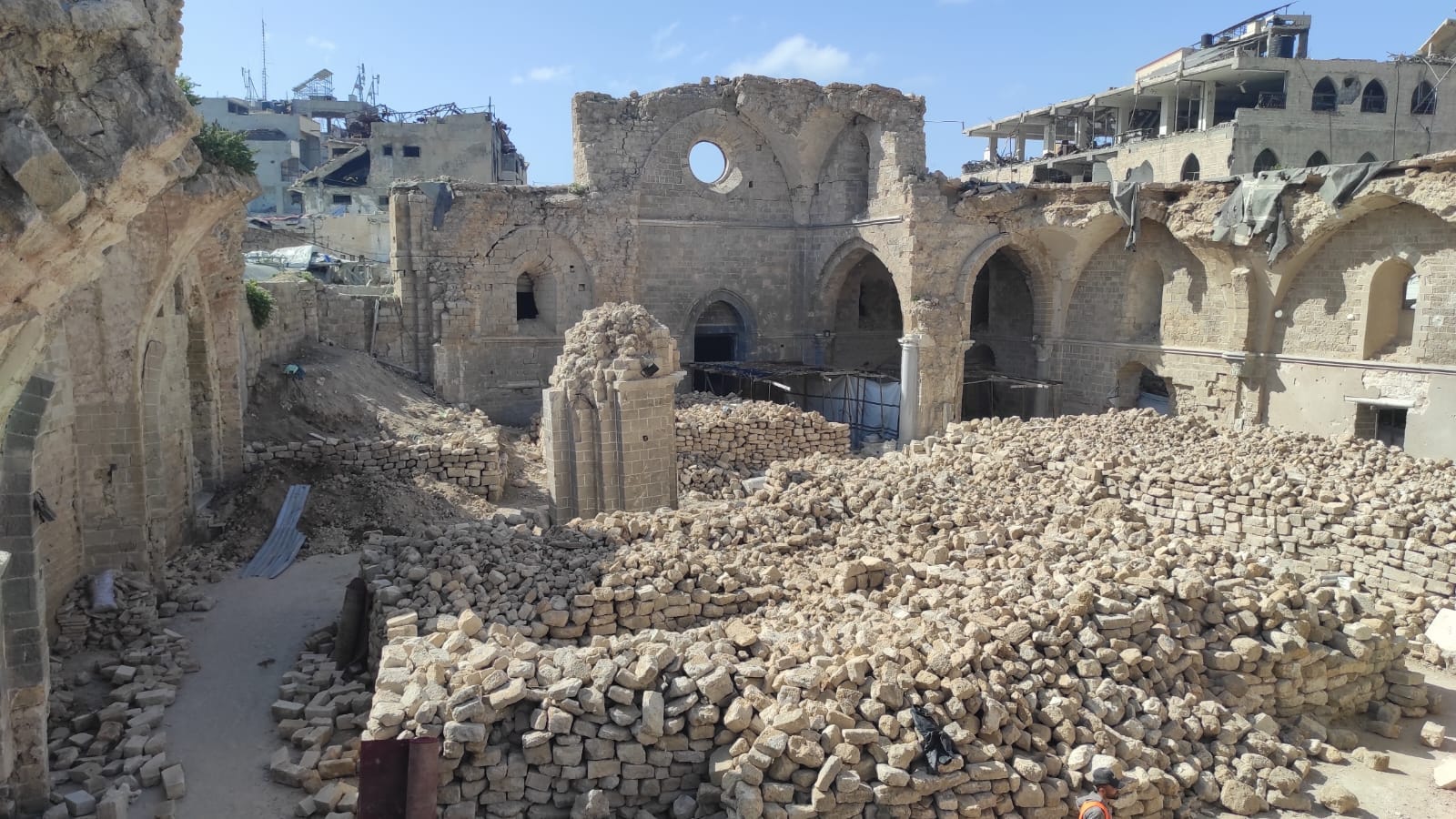
It stood surrounded by other historic landmarks: the Great Omari Mosque, dating back to 637 CE, Gaza’s oldest and largest, now devastated by strikes.
The Church of Saint Porphyrius, founded in the 5th century CE and one of the oldest active churches in the world, shared that fate. Christians who sought refuge within its ancient walls were injured and killed.
“They have erased Gaza,” my friend Sawsan says, as we speak of our memories of Hammam al-Samra. “Those days will never return.”
When I close my eyes, I can still smell it.
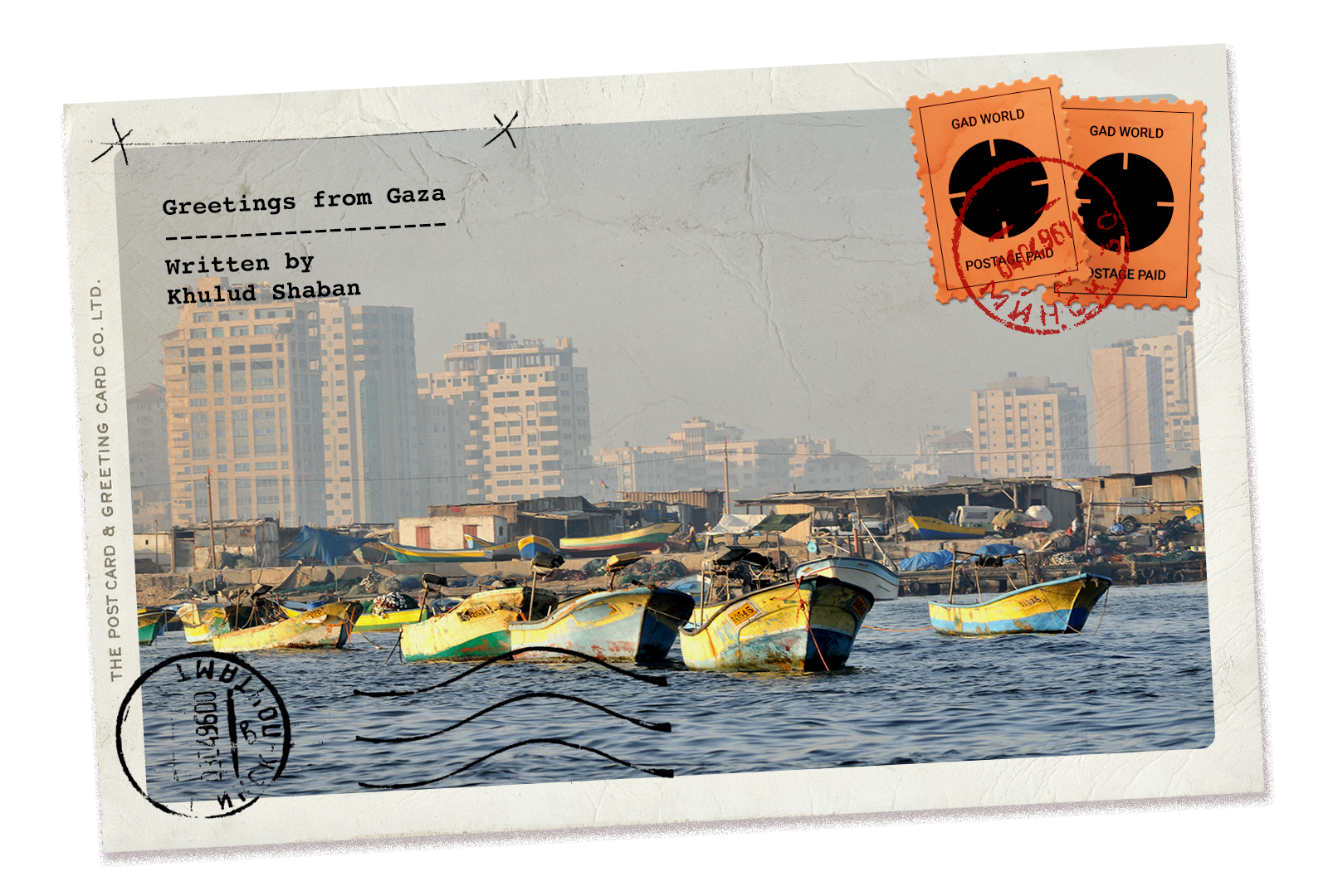
Postcards from Gaza
Khulud Shaban is a Palestinian journalist, born in Gaza in 1980, writing from exile.
Life. This series of personal stories is about how people once lived here – about the everyday life and the places that carried them. The culture, the food, the laughter, and everything they loved. A society forced to suffer and die. Survivors who remember what was with love and pain.
Death. The Hamas-led attack on Israel on October 7, 2023, killed 1,195 people, including 815 civilians and 36 children, according to AFP. Since then, Israel has killed over 72,587 people in Gaza and injured over 172,381, according to Gaza health authorities.
Children. Over 64,000 children have been killed or injured, over 56,000 have lost one or both parents, and between 3,000 and 4,000 have undergone one or more amputations, according to UNICEF.
Displaced. Approximately 90 percent of Gaza’s population has been forced to flee, many of them repeatedly, according to the UN.
Infrastructure. Large parts of Gaza’s housing, hospitals, schools, culture, crops, and historical and religious sites have been damaged or destroyed, according to the UN.