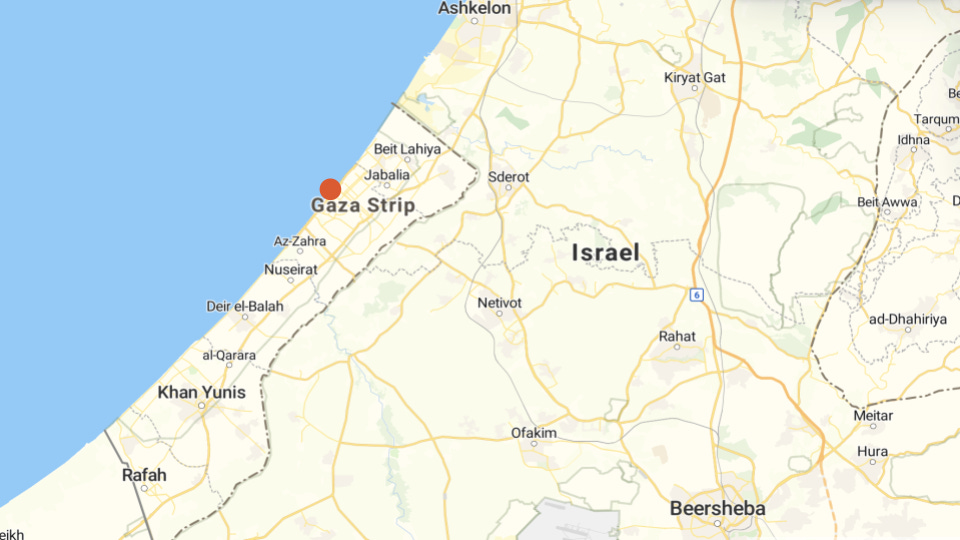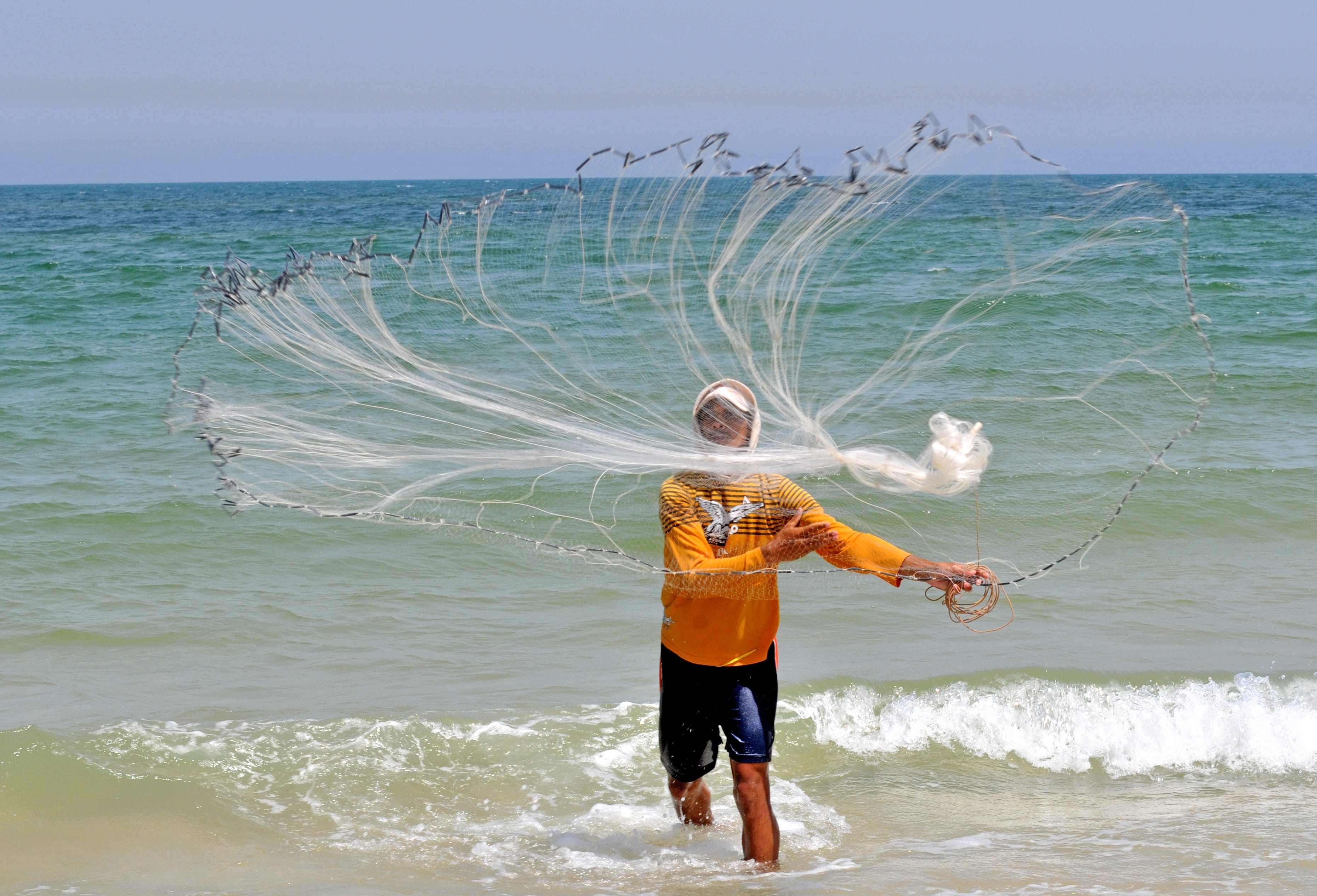
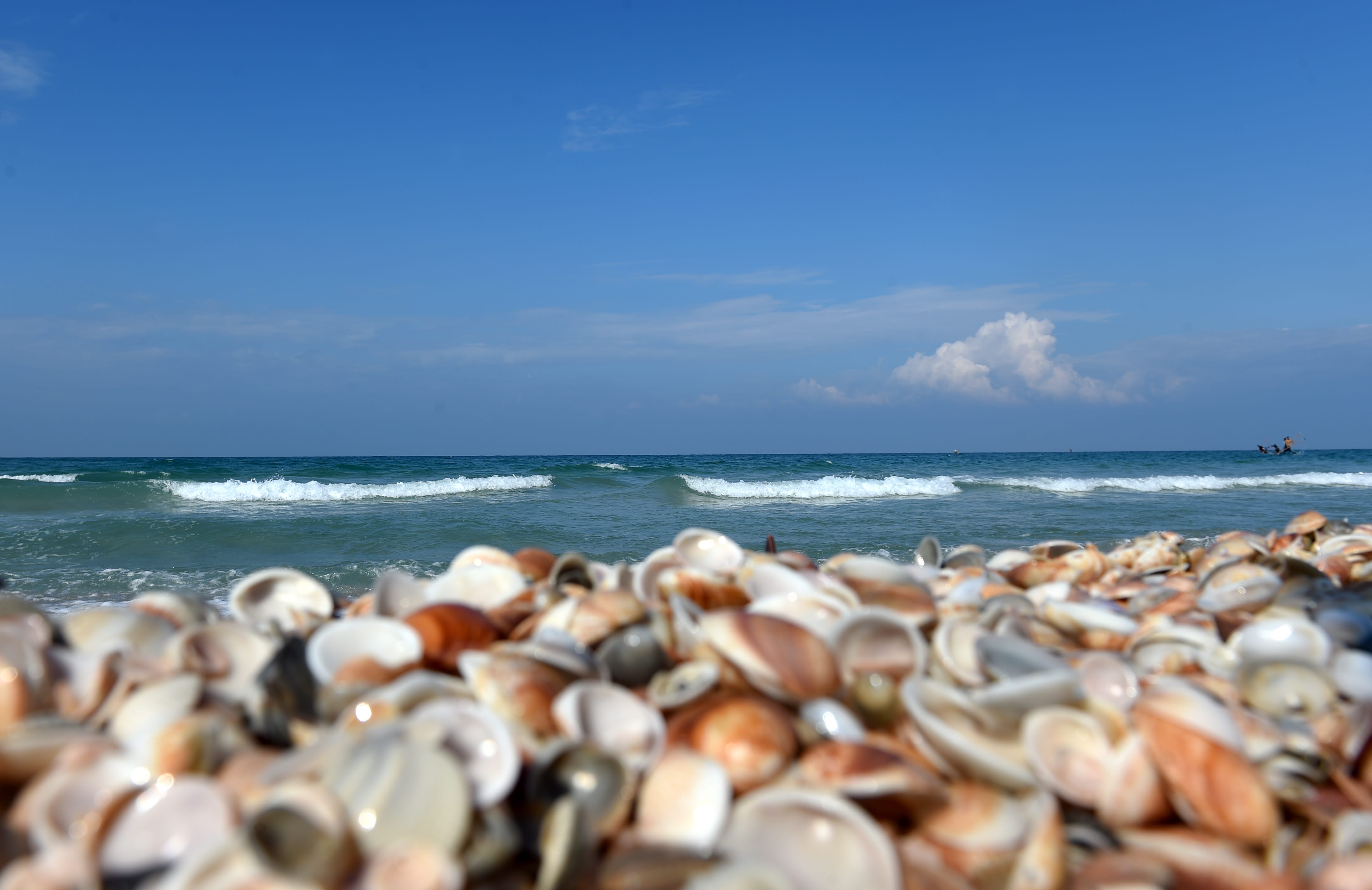
My children and I wake early, brimming with that particular energy you only feel when you’re longing for a special day to begin. We set off while it’s still dark, guided by the scent of iodine and salt spray.
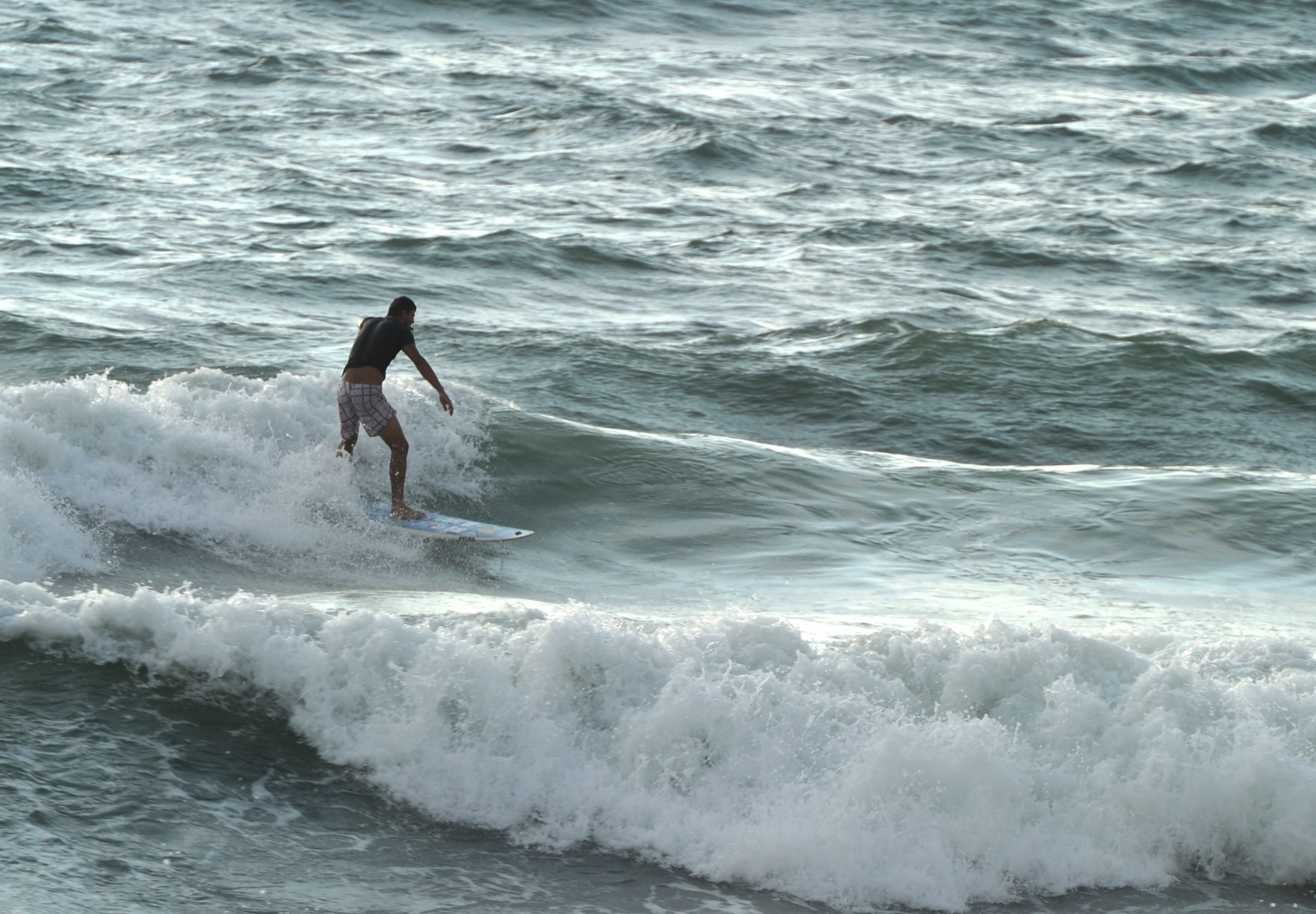
When we reach the sea, we take off our shoes and carry them in our hands. We want to feel the damp, soft sand between our toes – cool and comforting at this hour. All the while, we listen to the sound of zalaf (seashells) washing up and rolling onto the shore with the rhythm of the waves, as the sun slowly creeps up behind the horizon. It’s a magical sight that we see every day, but one we never, ever tire of.
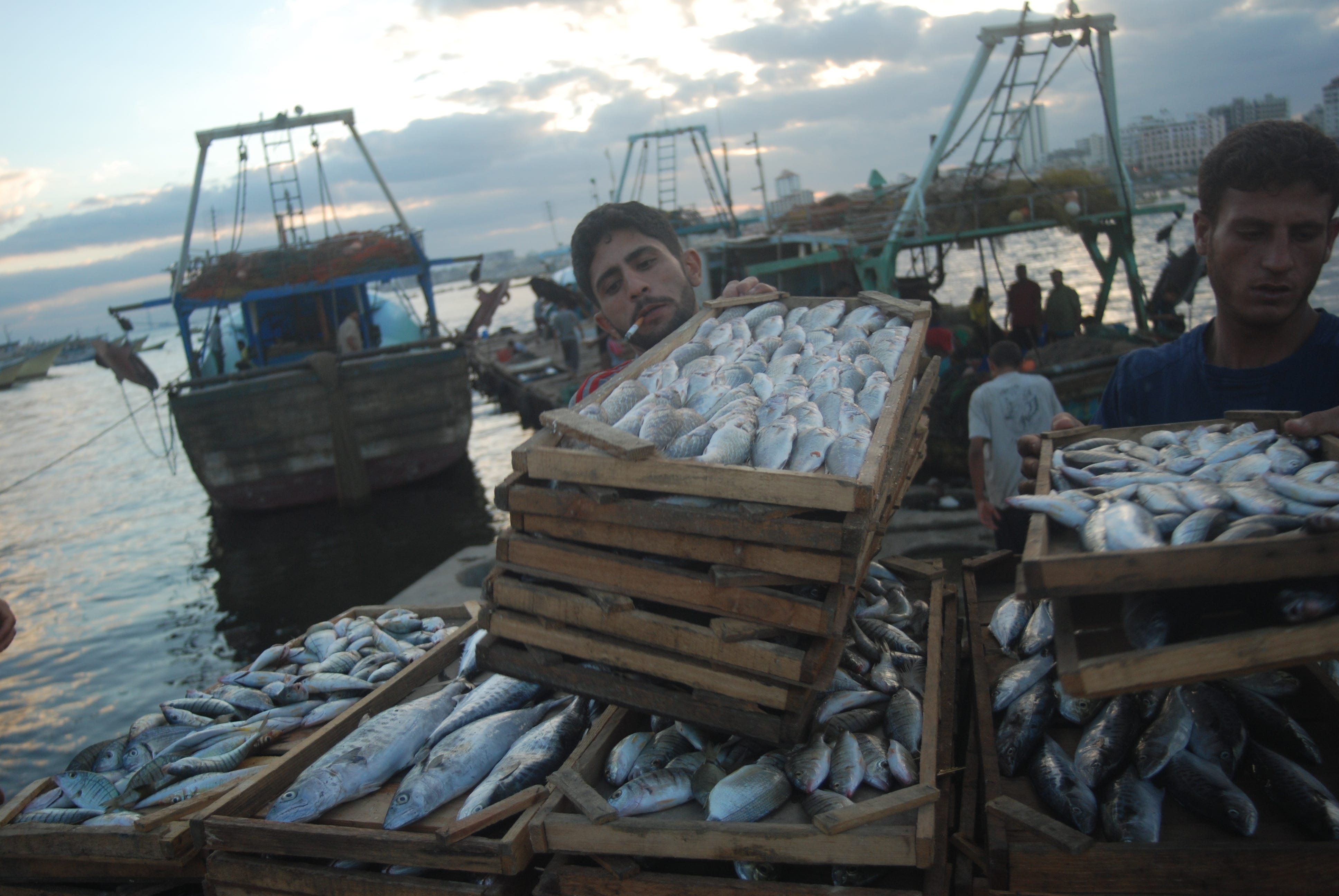
At Al-Hasba (the fish market), there’s a pungent smell of salt and fish of every kind and colour, hauled in by the sweat of men who have fought waves, poverty, and shells to return with a livelihood dipped in dignity.
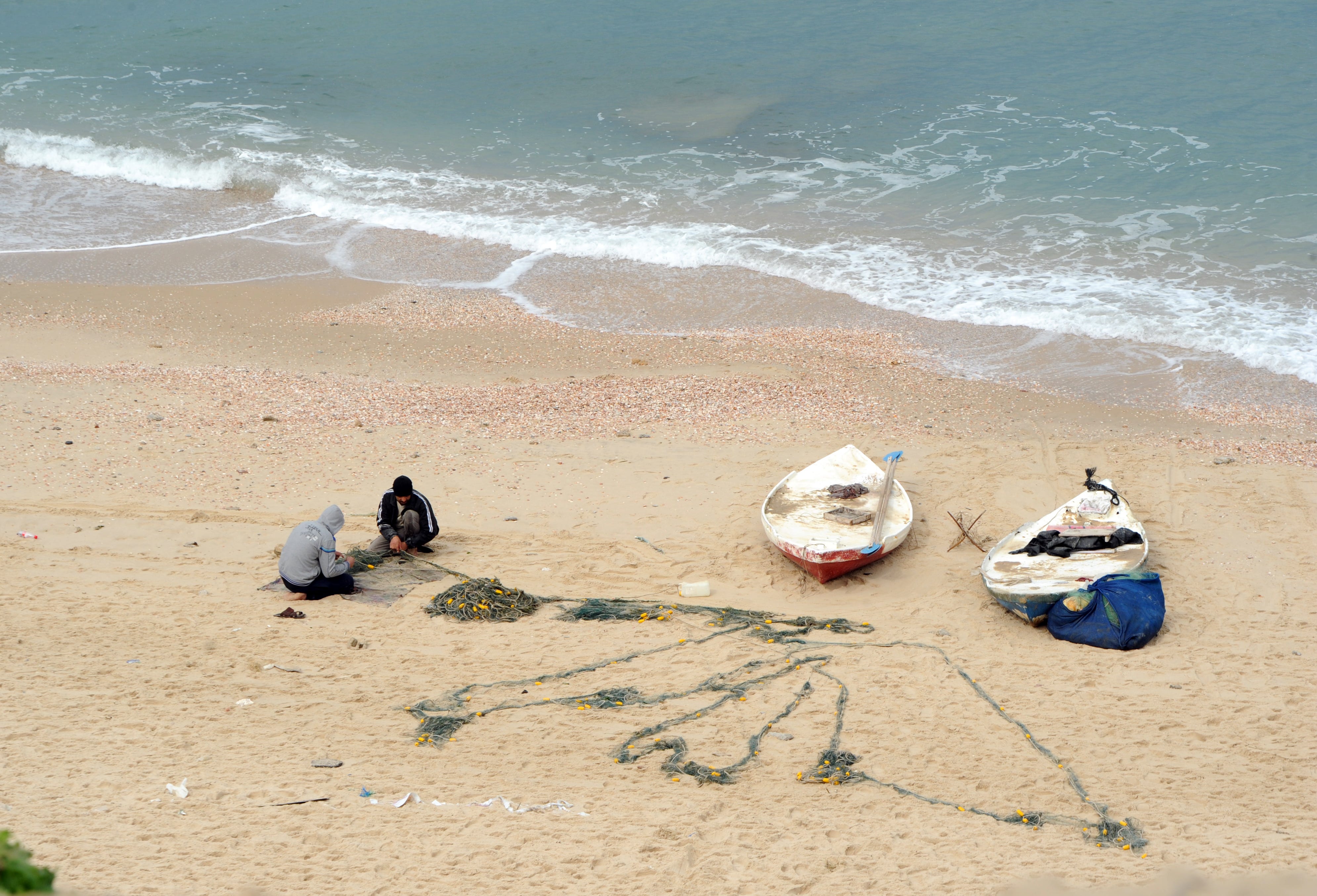
My children and I watch the fishermen as they arrive at the market. Men with furrowed faces. Some old with hands like bark, others young boys who have inherited the sea from their fathers.
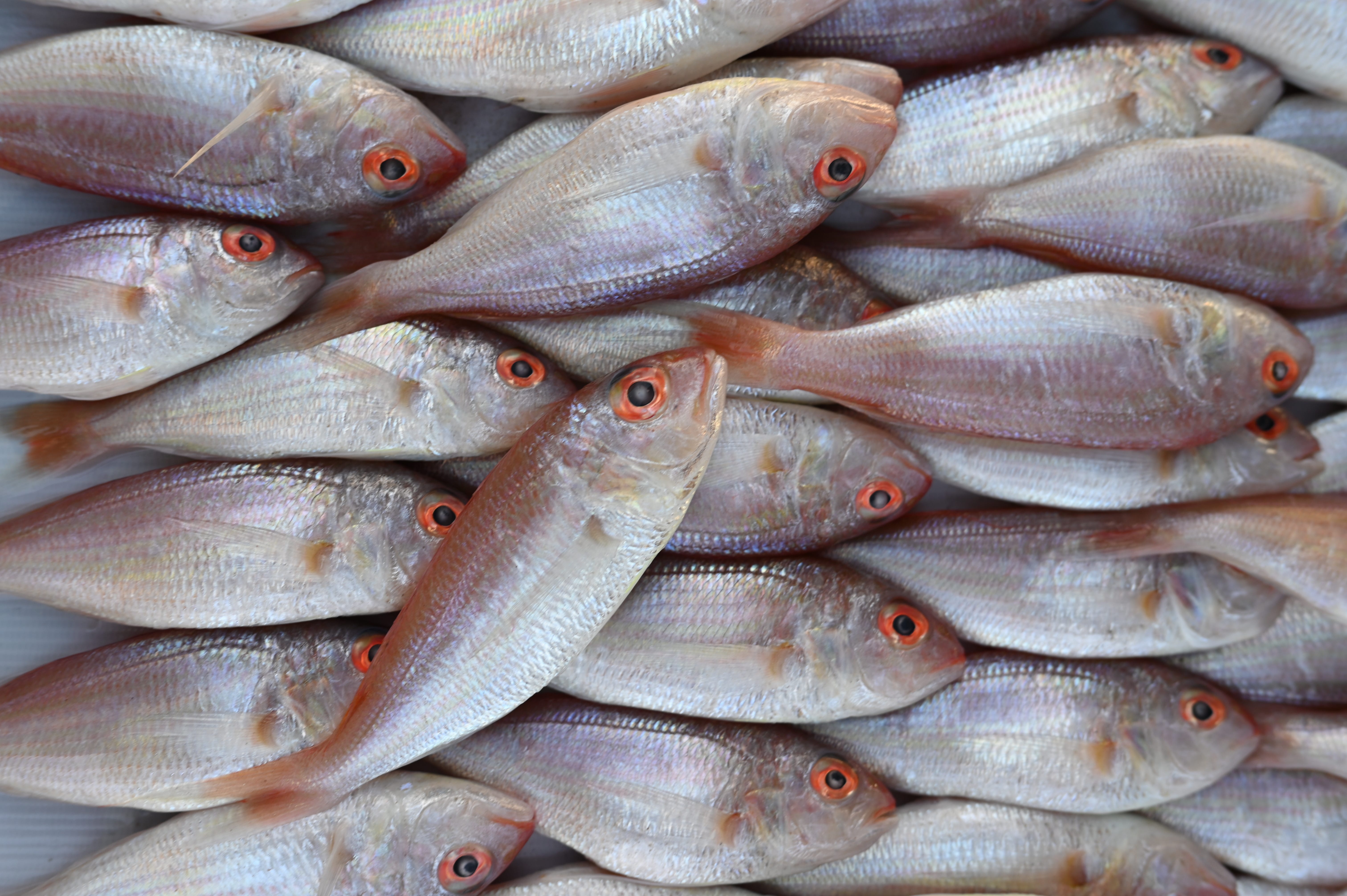
Everyone has their own spot, where they spread out their catch with the greatest of care on basta (display tables), as if they were showing off precious jewels. My children are still small, watching with the joy of discovery as they learn the names of everything that glitters. Their eyes grow wide and sparkle as they touch the sardines, the crabs, the ghazlan (small, silver-shimmering fish), and the red mullet (Sultan Ibrahim).
Meanwhile, the fishermen let their gazes wander between their fish and us visitors. They wait patiently for those who will buy the day’s harvest, with a sense of contentment despite the long, hard night they have spent out on the open sea.
When we return home to Al-Rimal, bags in hand, our kitchen is transformed into a place of celebration. I teach the children how to cook zibdiyat gambari (shrimp stew), simmered in clay pots. When the stew comes out of the oven, we decorate it with cashew nuts and pine nuts.
We make a Gaza salad of crushed green Gaza chillies with garlic and ain al-jarada (dill seeds), which we mix with red tomatoes, and plenty of olive oil. Then we wait for the luxurious sayadieh dish, with its caramel-brown rice and fried onions, topped with fried pieces of white fish and nuts.
When the meal of the fruits of the sea is finished, family, neighbours, and friends gather, invited in as the warmth of our food reaches them.
There is also a sunset, when the shadows grow long. I take a stroll with my friend Samouha at the harbour. We sit near the fishermen’s nets, spread out by the small wooden boats, lined up like weary warriors.
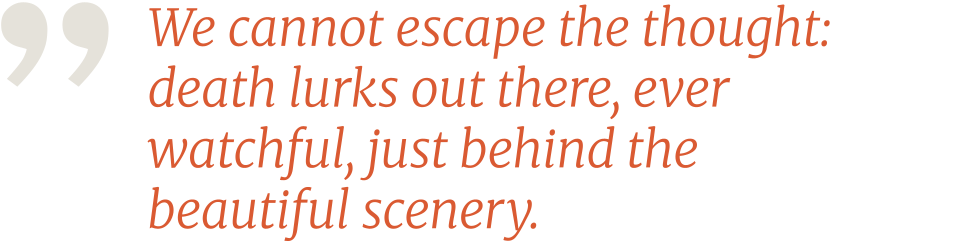
As we talk, we see the occupation’s gunboats as dark silhouettes on the horizon, and they stare back at us. We cannot escape the thought: death lurks out there, ever watchful, just behind the beautiful scenery. We remain in silence, caught between a love for life and that which waits.
Behind these unforgettable days lies a tragedy. Gaza’s fishermen face not only natural storms, but the muzzles of cannons and a blockade that transforms our beautiful sea into a water-bound prison. It prevents Gazans from importing engines, spare parts, and nets, turning every voyage into a suicide mission.
Human rights reports document hundreds of attacks every year, where the occupation’s boats fire upon the fishing vessels. It has turned the pursuit of a livelihood into a daily journey toward martyrdom or injury.
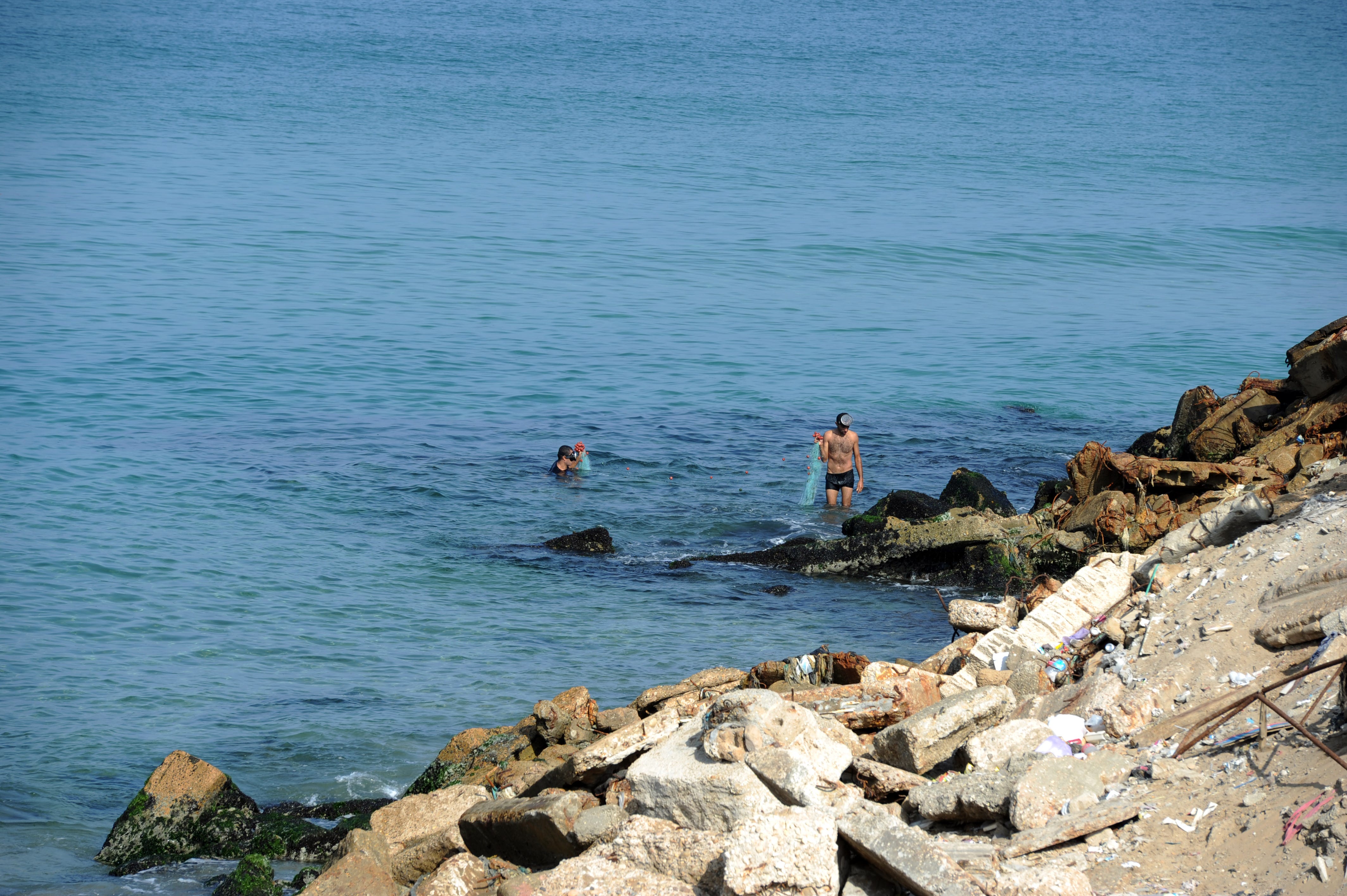
I have been out there myself, on the open sea. Together with my fellow journalists, I headed out at dawn as we waited for the Freedom Flotillas set to break the blockade of Gaza. We brought our breakfast and our cameras, but also a gnawing anxiety in our chests.
Being out on the waves in Gaza is more than just a trip. It is a balancing act between life and death. The waves can be high, but what terrifies you most is when the gunboats appear. It is then you realise that every net cast is a defiant act of survival.
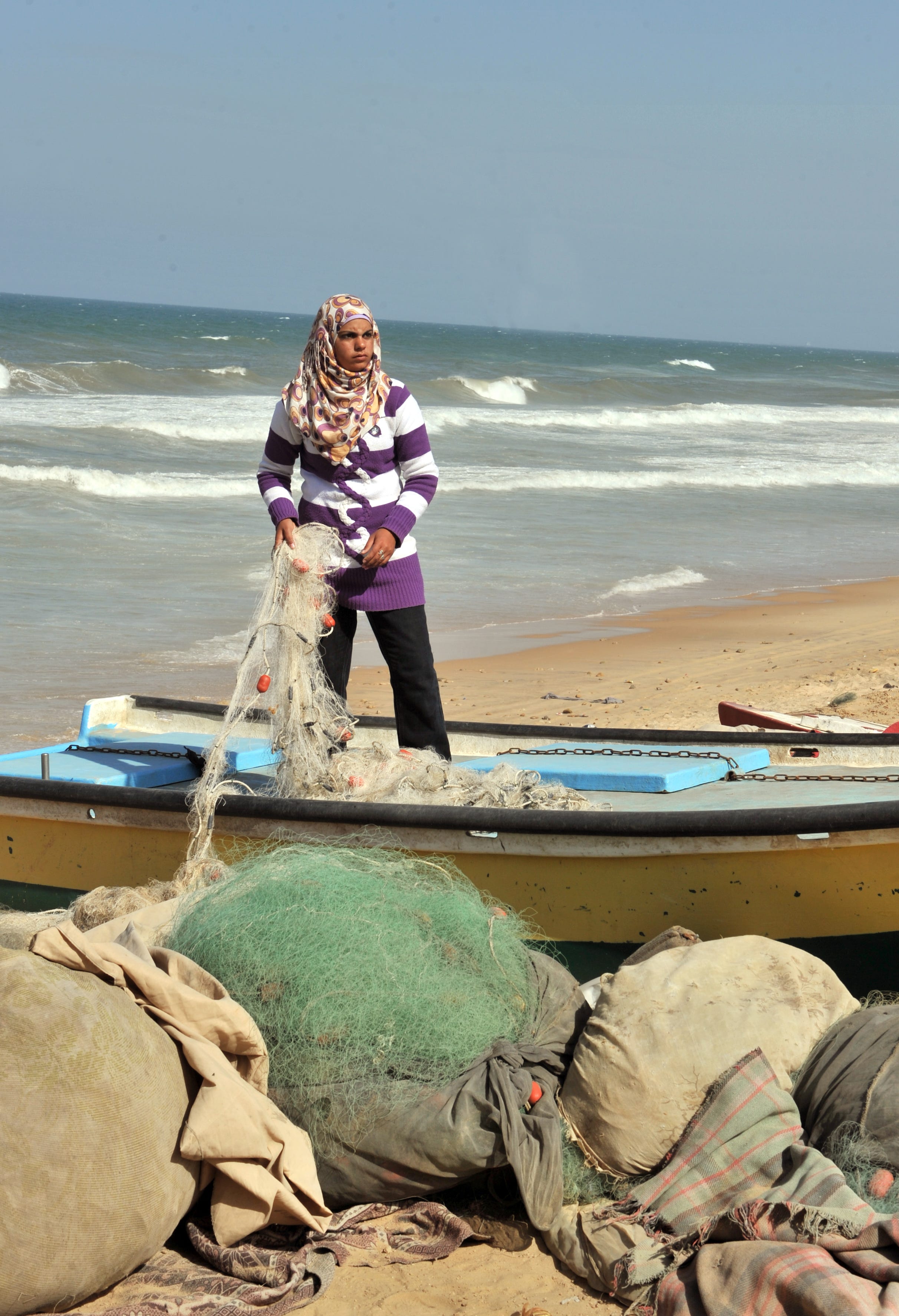
According to the Gaza Fishermen’s Union, at least 238 fishermen have been killed since the genocide began. Now, the boats no longer lie in neat rows. Instead, they are scattered, broken, and burnt. The occupation also arrests fishermen at sea and confiscates their boats. Families are left behind in deep poverty, enduring a long wait behind the bars of absence.
But what the sea has left in our souls, time cannot erase. I will continue to cook zibdiyat gambari with my children to wash away the bitterness of these days and remind them of when we woke before sunrise and followed the scent to the harbour.
One day, I want to wake up to such a morning again.
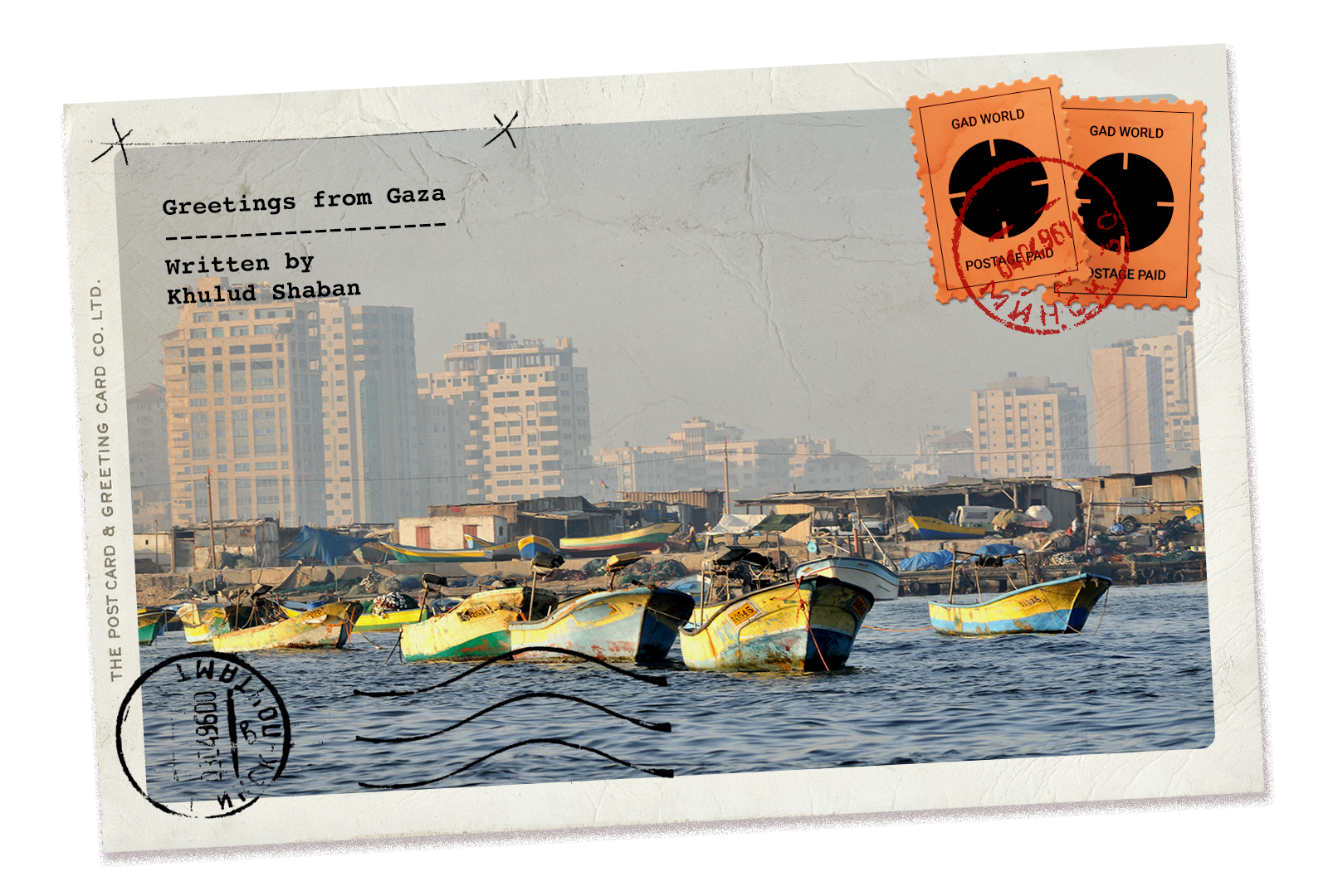
Postcards from Gaza
Khulud Shaban is a Palestinian journalist, born in Gaza in 1980, writing from exile.
Life. This series of personal stories is about how people once lived here – about the everyday life and the places that carried them. The culture, the food, the laughter, and everything they loved. A society forced to suffer and die. Survivors who remember what was with love and pain.
Death. The Hamas-led attack on Israel on October 7, 2023, killed 1,195 people, including 815 civilians and 36 children, according to AFP. Since then, Israel has killed over 72,587 people in Gaza and injured over 172,381, according to Gaza health authorities.
Children. Over 65,000 children have been killed or injured, over 56,000 have lost one or both parents, and between 3,000 and 4,000 have undergone one or more amputations, according to UNICEF.
Displaced. Approximately 90 percent of Gaza’s population has been forced to flee, many of them repeatedly, according to the UN.
Infrastructure. Large parts of Gaza’s housing, hospitals, schools, culture, crops, and historical and religious sites have been damaged or destroyed, according to the UN.