



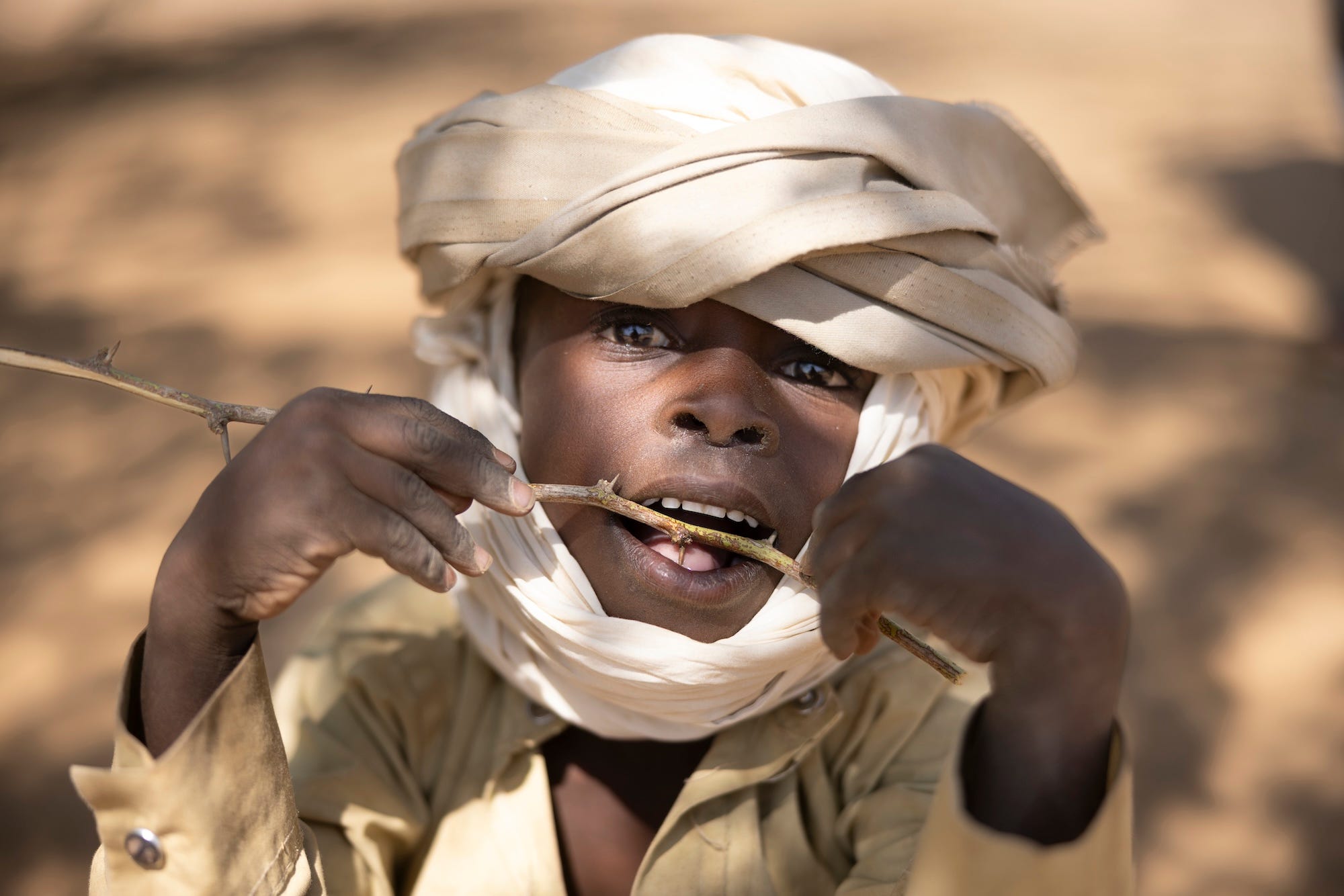
When the writer Daoud Hari looks back on how it all began, he remembers one thing: the weather. In his book The Translator: A Tribesman’s Memoir of Darfur (2008), he writes that in the 1980s the rains came less often, and the land grew steadily drier.
Fertile soil and water holes were no longer enough. Arab nomads pushed their herds south, encroaching on the ancestral lands of the Zaghawa, the Fur and the Masalit.
Hari, who is himself Zaghawa, explains in the book:
     In the past they would have asked
     permission, and a few camels might
     have changed hands. If no bargain
     could be reached, and if they used the
     water and the grass anyway, a challenge
     would be made for a battle of honor on a
     traditional battlefield, far from any
     village. After the fight, the matter would
     be considered settled and the Arabs and
     the Zaghawa would immediately be
     friends again, dining in another's house.
Arab nomads and non-Arab farmers had long lived in parallel. Conflicts were settled locally, by tradition, away from civilians.
Then the climate shifted. The desert surged south. The land failed. Competition sharpened into hunger.
And the devastation was not distributed equally.
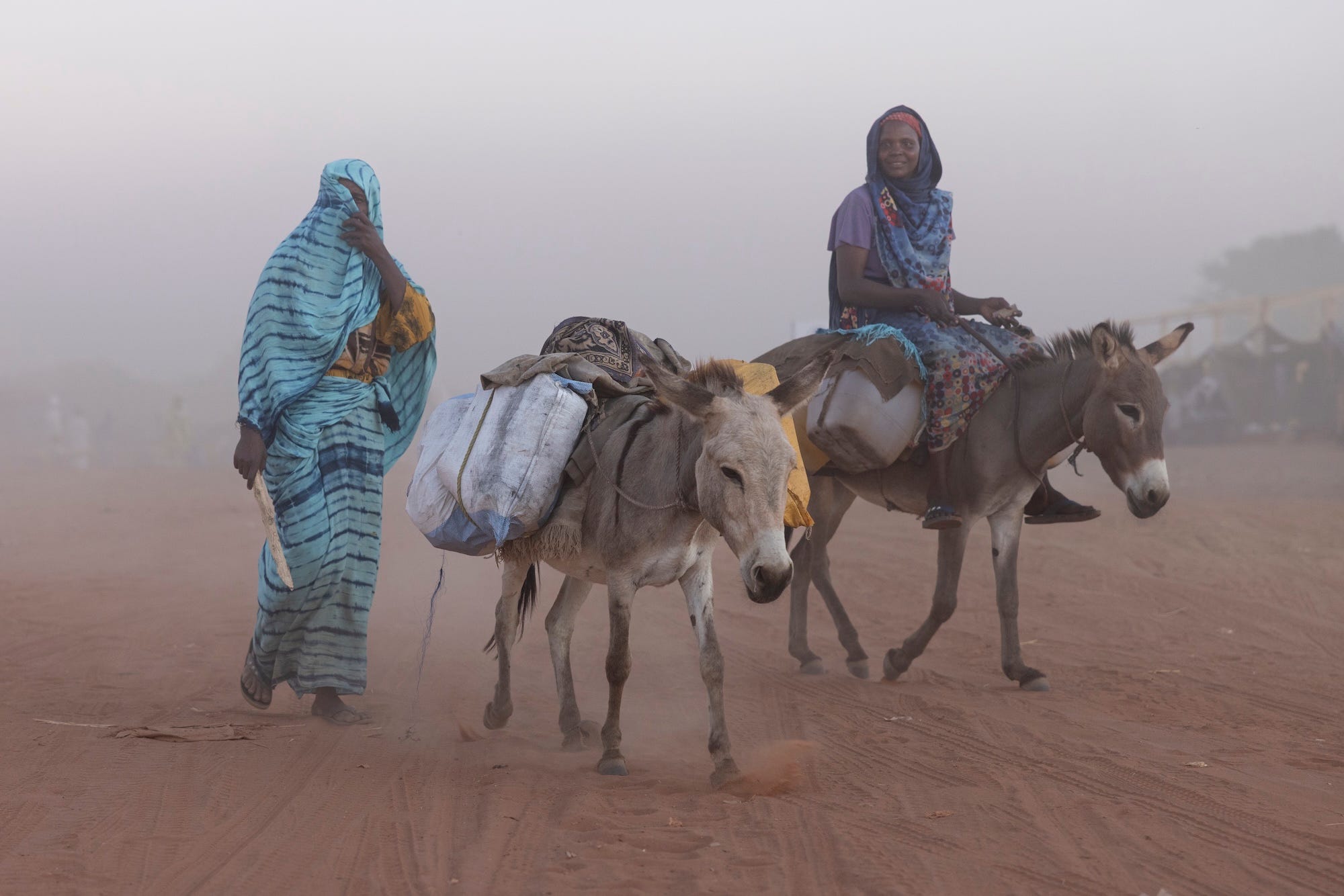
The non-Arab settled communities of Darfur, in Sudan, were already politically and economically marginalised, with roots stretching back to colonialism. As climate stress increased, the struggle for land and water turned into desperation. In 2003, that desperation exploded into armed rebellions against the state.
The former dictator Omar al-Bashir chose to crush them by exploiting the divisions between Darfur’s communities. He armed some. Left others unprotected.
Daoud Hari explains:
     What was different now was that the
     Arab government of Sudan, because it
     wanted the more settled people of the
     land, was taking sides with the Arab
     nomads and providing some with guns,
     helicopters, bombers, and tanks to decide
     the arguments.
The climate crisis made everything combustible. The state provided the spark.
The Arab mounted militias armed by the central government were known as the Janjaweed, roughly, “devils on horseback”. Their violence against civilians between 2003 and 2005 was recognised by the United States and others as genocide.

In 2007, the then UN secretary-general Ban Ki-moon put words to what many had missed when the genocide was reduced to ethnicity alone:
"Almost invariably, we discuss Darfur in a convenient military and political shorthand – an ethnic conflict pitting Arab militias against black rebels and farmers. Look to its roots, though, and you discover a more complex dynamic. Amid the diverse social and political causes, the Darfur conflict began as an ecological crisis.”
Many international observers have called Darfur the world’s first climate war. Not because climate alone created the violence, but because the climate crisis deepened existing injustices and made violence more likely.
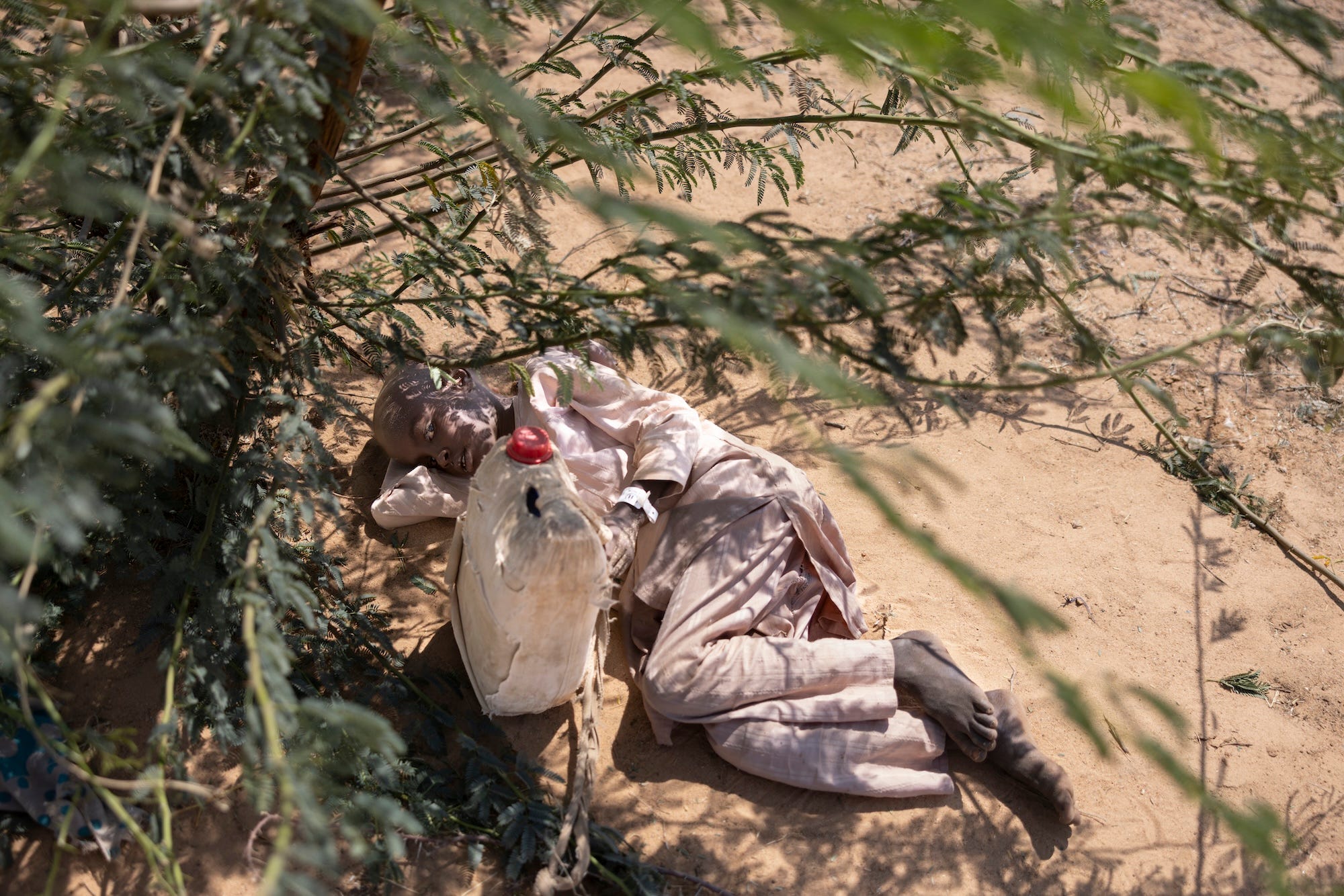
The violence that began in 2003 never ended. It continued at low intensity, then became high intensity again when Sudan’s civil war broke out in 2023, after two generals first helped each other overthrow the dictator al-Bashir and then turned their weapons on each other.
Those now ethnically cleansing the non-Arab tribes are the same Janjaweed as twenty years ago. They have a different name, Rapid Support Forces, RSF, but they are massacring the same communities.
The United States again assesses it as genocide, as does the UN.
And when one looks at Africa today – at drought, land degradation, water scarcity and rapidly growing populations in places where states are weak and weapons are plentiful – Darfur is not an exception.
It is a warning.
Climate change increases conflict
Heat. The risk of armed conflict rises by 20 per cent for every half-degree increase in temperature. The total number of armed conflicts is now at its highest level in almost a century, driving record numbers of people from their homes inside their own countries.
Drought. Climate change has hit Africa particularly hard, where drought and extreme heat are escalating conflicts.
Hunger. Famine is most widespread in conflict-affected areas, because war prevents societies from organising, adapting and building resilience against climate change and food shortages.
Source: Stanford University, The Climate Book, African Center for Strategic Studies