Dear world, you who are perishing from your own individualism. While modernity is busy building walls around “personal independence”, here in Gaza, we are tearing down all walls to build a “collective home”.
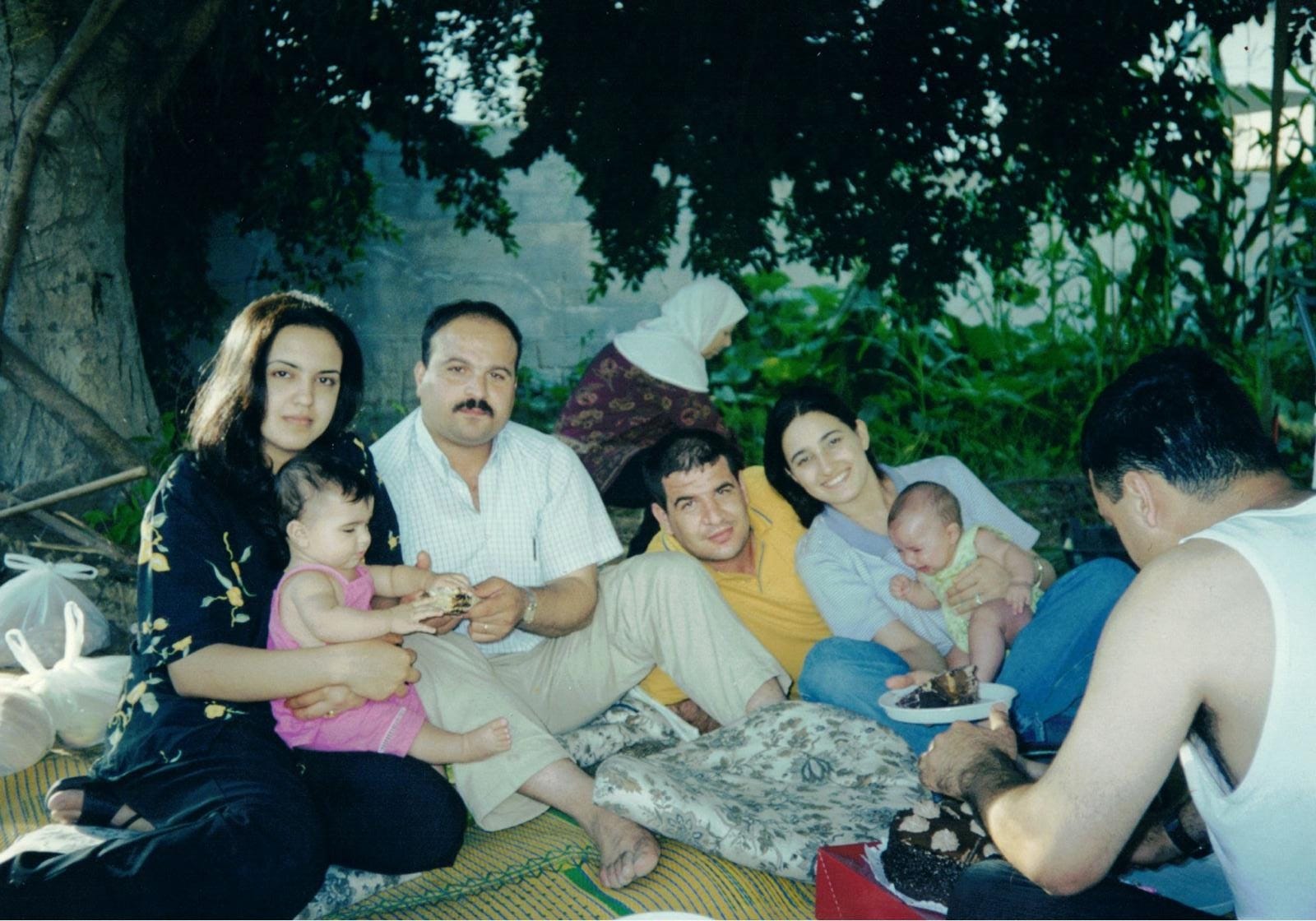
In our photo albums, there are no pictures of lonely people. The wars that were meant to crush us found no individuals in their path. They found “intertwined bodies”.
We live what the social psychologist Erich Fromm called the art of mature love, where care and responsibility are our daily bread. In Gaza, homes are not measured in square metres, but in the number of breaths they shelter. A place that holds five people in times of prosperity, holds fifty in times of steadfastness.
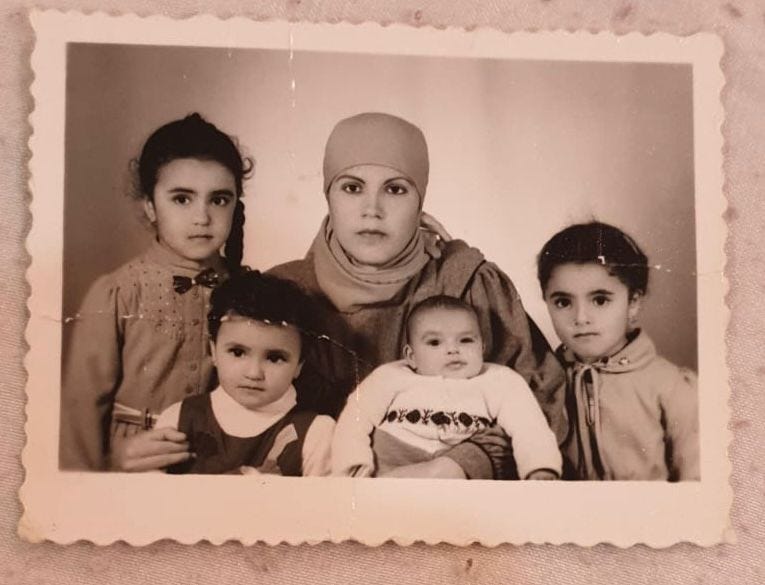
Our children do not inherit houses from us (as they are ruins). They inherit stories of endurance and beautiful memories.
We are the counter-narrative to a material world that sanctifies the “I”. We are the society that hallows the “we”.
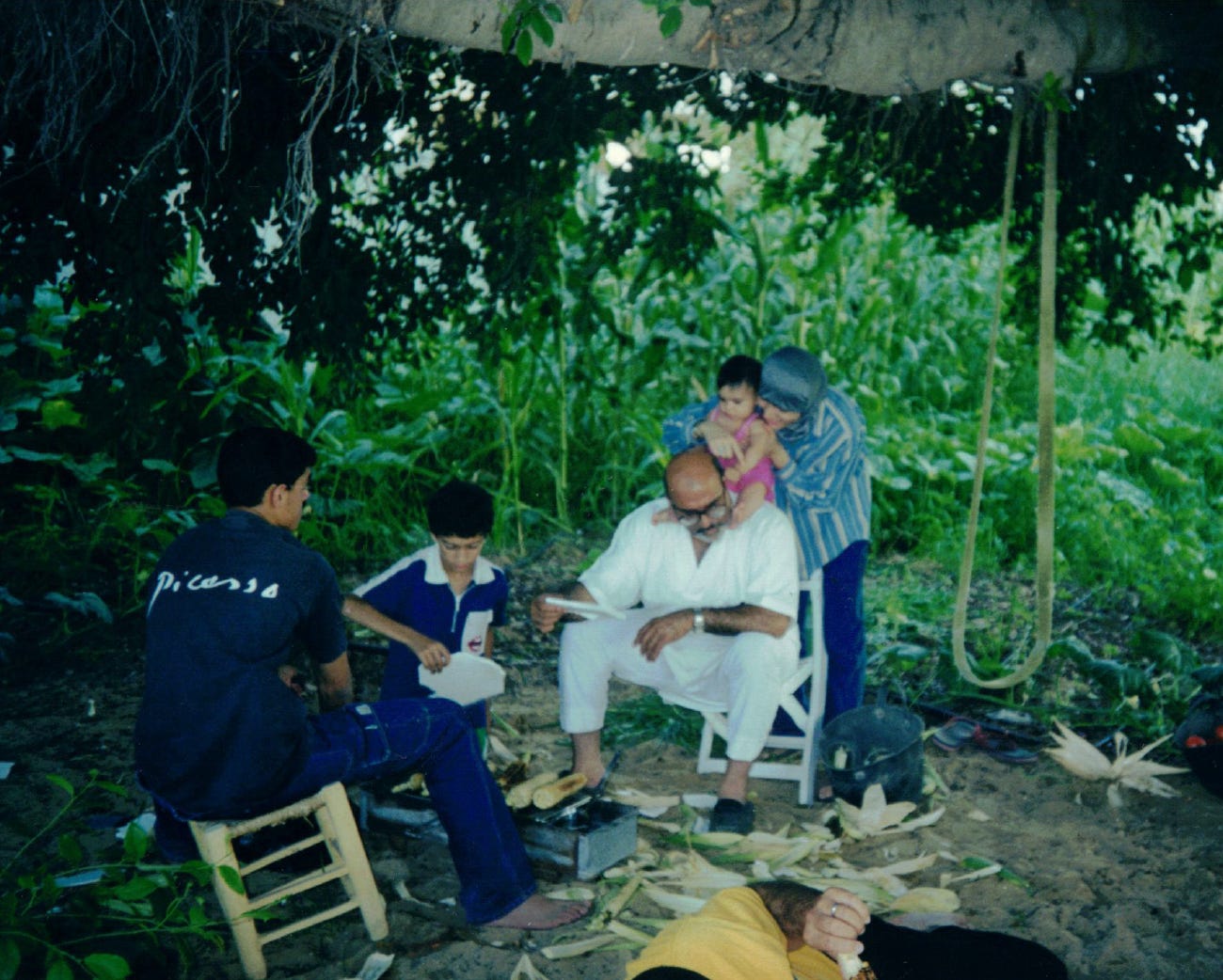
Our photographs are not just memories. They are a human and spiritual shield, proof that love, when it becomes a collective act, is stronger than the machinery of annihilation.
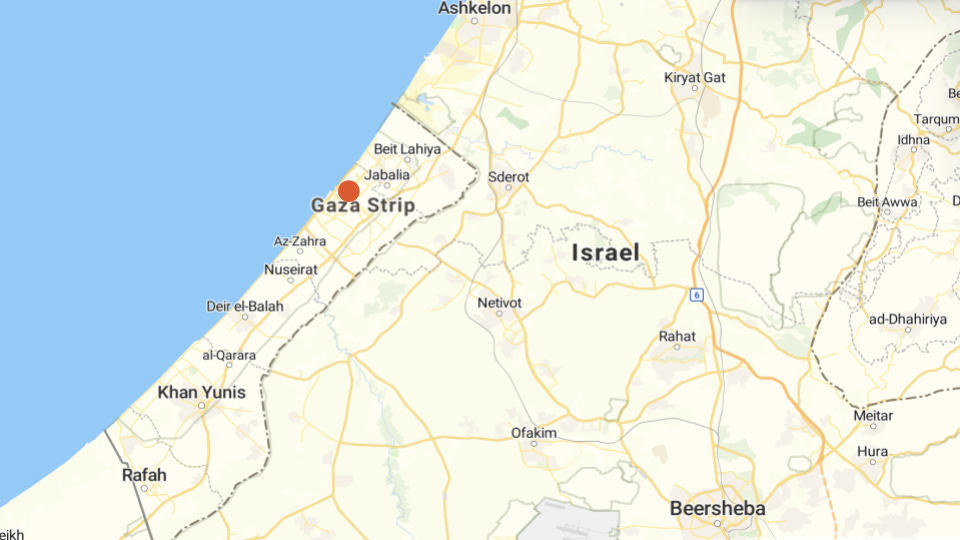
But behind this unity, death commits a crime: the “erasure of traces”. A study of the death tolls in Gaza by data analyst and researcher Dr Nur Naim confirms that our unity is our “secret weapon”. Therefore, the occupation seeks to break it by completely erasing over 2,730 families from the civil registry. Not a single one of them remains. From a further 6,020 families, only one or two people have survived.
In Gaza, entire family trees, such as the Salem family (170 people), are deleted with the press of a button. Whole generations of fathers, grandchildren and grandparents disappear beneath the ruins in Sheikh Radwan and Khan Younis.
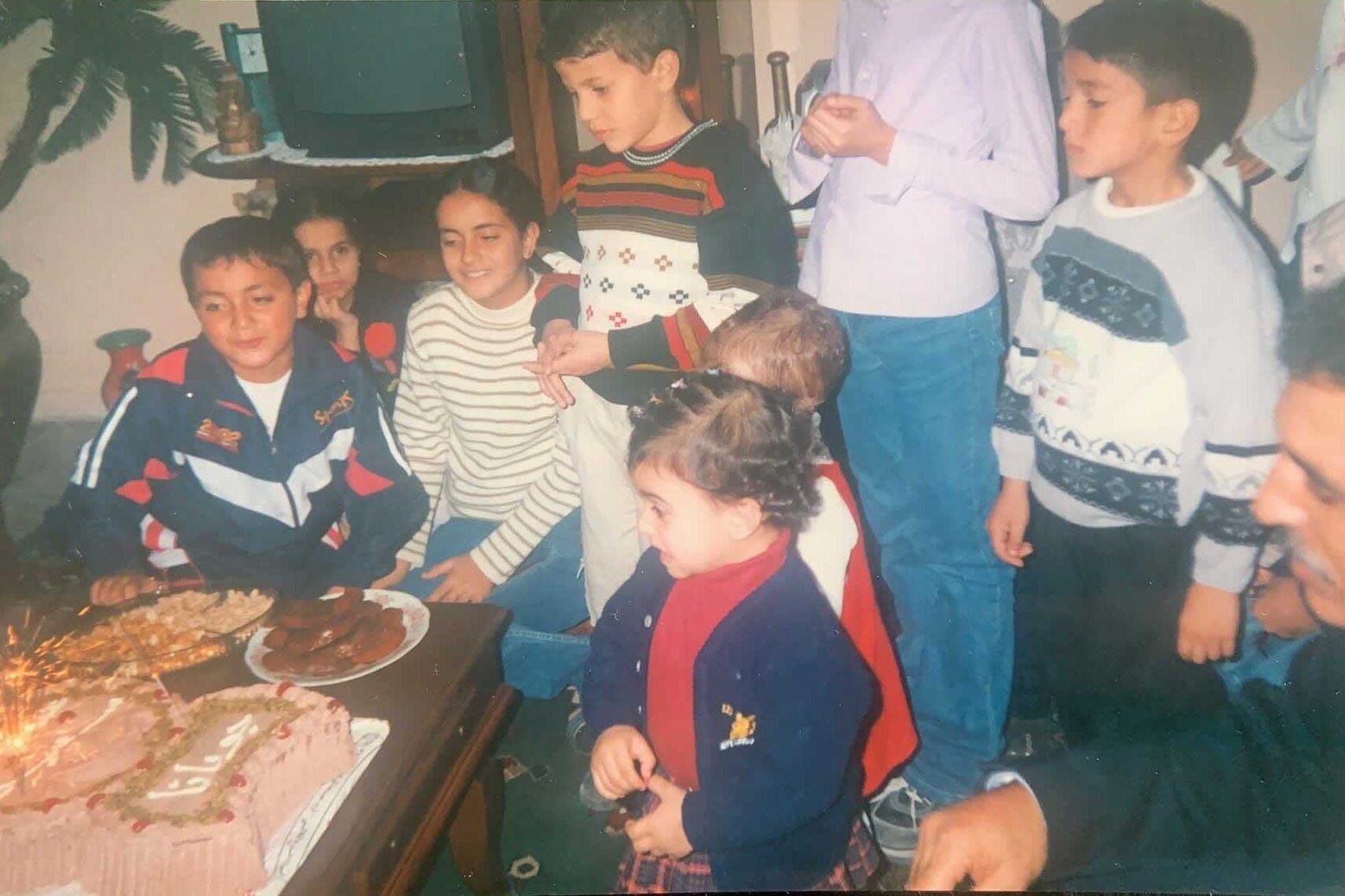
Despite this, Gaza – becoming increasingly interconnected even as everything else is severed – refuses to accept orphanhood. Rami Al‑Arouqi and his wife, Iman, opened their hearts to Janah, the little girl who lost her entire family when she was only eight months old. Today, in her second year, she lives in her newfound joy as everyone’s daughter.
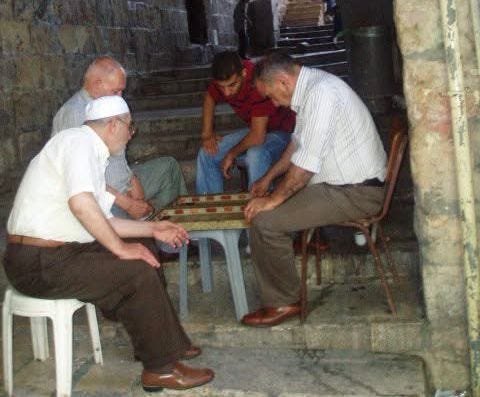
Mental fragility never knocked on our doors in Gaza. We knew neither isolation nor depression in the way I have experienced it in the mercilessly individualistic Sweden. In Gaza, souls teem with life, embraced by family and friends and the warmth of festivities that never run dry.

The days were filled with people from dawn until nightfall. The culture of “pre-booked visits” had never contaminated the spontaneity of our encounters. Our doors stood wide open, and the guest stepped in as a member of the family to share food, sleep and laughter.
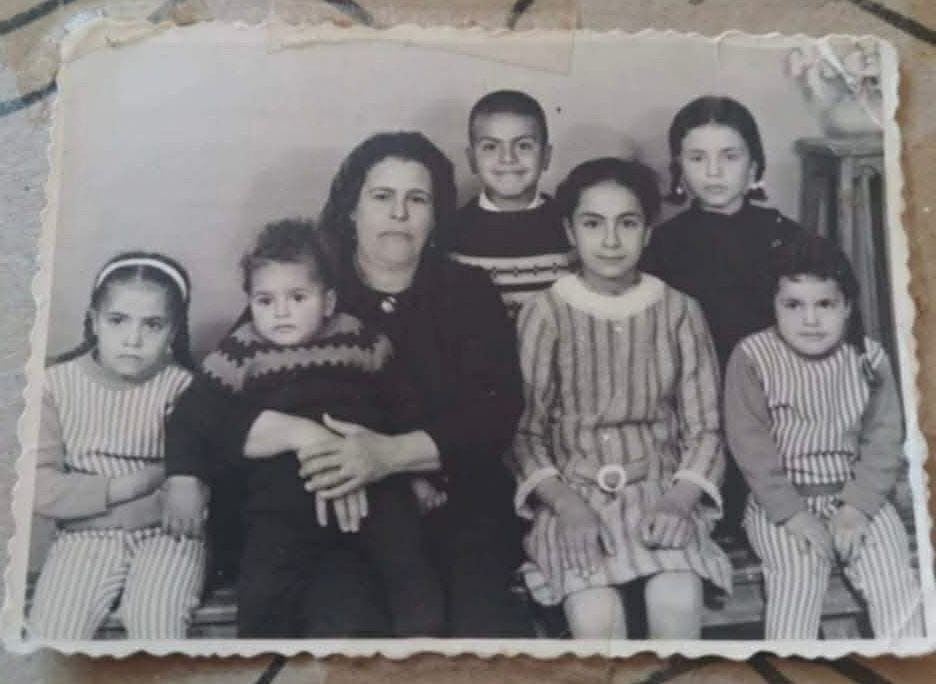
Our gardens were places of gathering, and our children grew up in the embrace of the collective. They learned the fundamentals of life from the hum of the streets, not from the screens of isolation.
Even our pots were always prepared with an abundance of generosity, waiting for a stranger or passerby. If an evening passed without guests, we carried the surplus to wanderers and travelers at the “bird shop,” so that the giving never ceased.
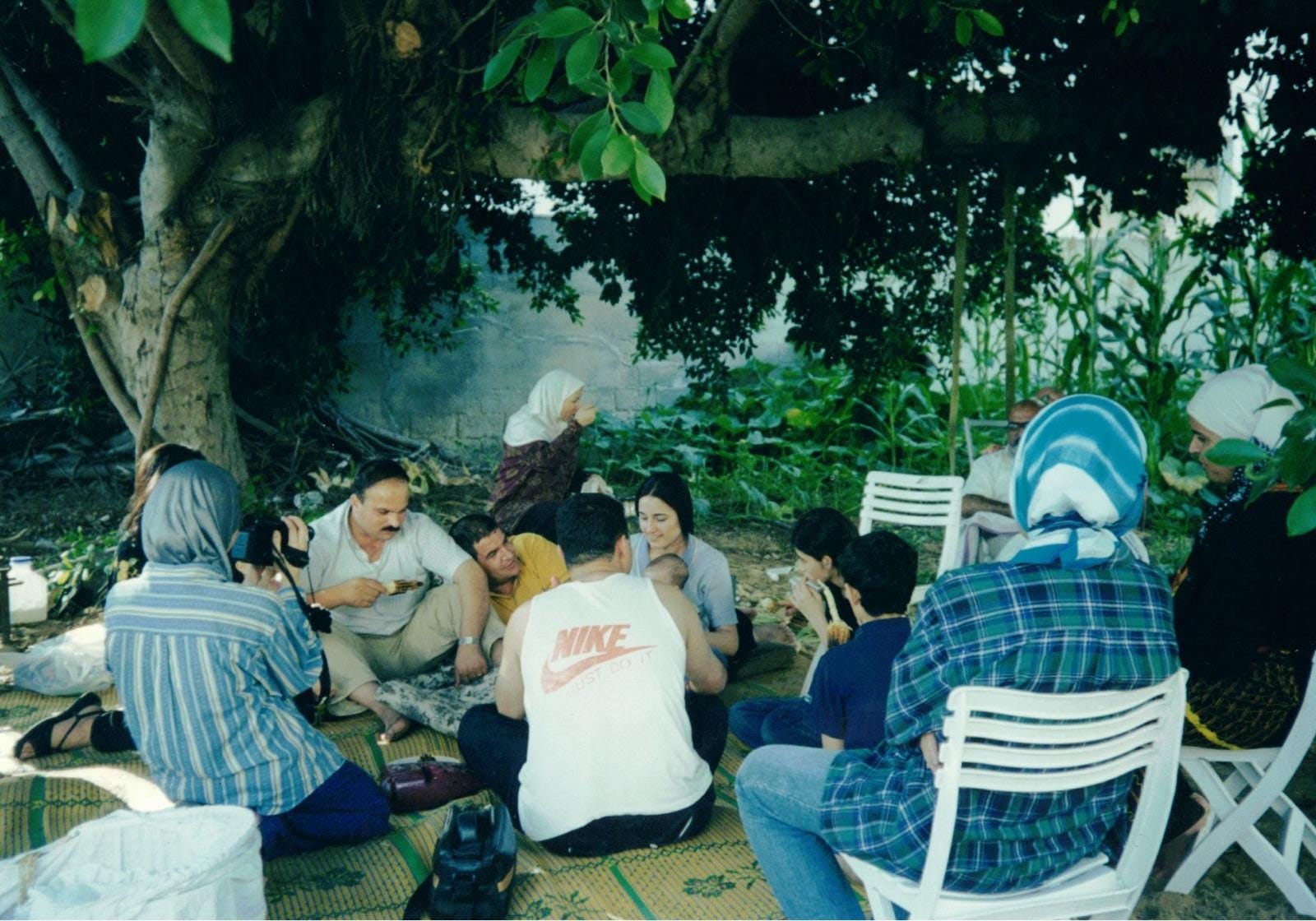
Throughout the day the ember of coffee and tea never died in our elders’ gatherings, where they laughed and told stories to the sound of dice games in the alleyways.
In Gaza, we did not live in houses. We lived in “one single heart” that refused to fall silent.
In your world, isolation grows despite technology, but in Gaza, the family grows stronger despite death. The family is the small homeland, and the homeland is the large family that never abandons its children to oblivion.
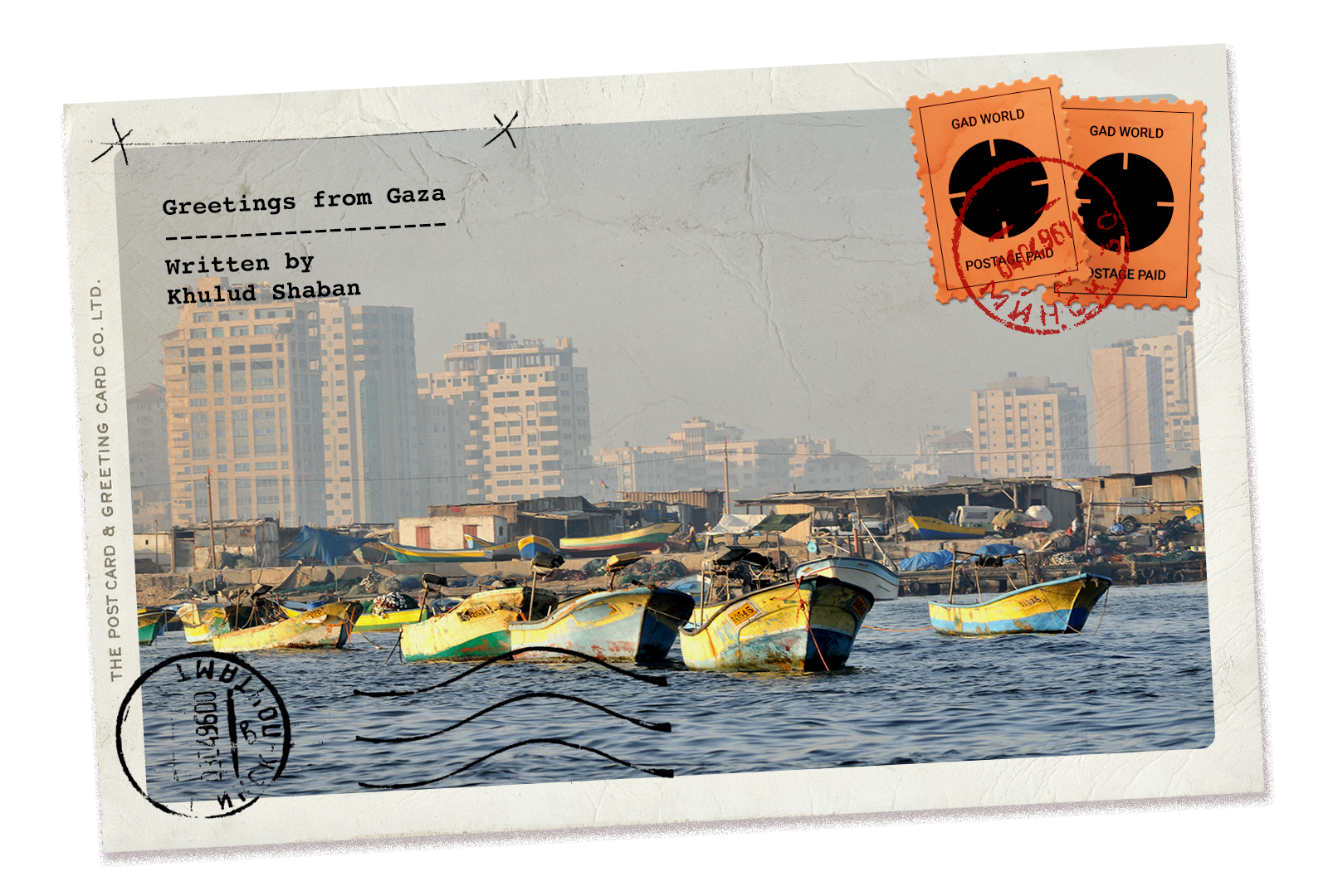
Postcards from Gaza
Khulud Shaban is a Palestinian journalist, born in Gaza in 1980, writing from exile.
Life. This series of personal stories is about how people once lived here – about the everyday life and the places that carried them. The culture, the food, the laughter, and everything they loved. A society forced to suffer and die. Survivors who remember what was with love and pain.
Death. The Hamas-led attack on Israel on October 7, 2023, killed 1,195 people, including 815 civilians and 36 children, according to AFP. Since then, Israel has killed over 72,587 people in Gaza and injured over 172,381, according to Gaza health authorities.
Children. Over 65,000 children have been killed or injured, over 56,000 have lost one or both parents, and between 3,000 and 4,000 have undergone one or more amputations, according to UNICEF.
Displaced. Approximately 90 percent of Gaza’s population has been forced to flee, many of them repeatedly, according to the UN.
Infrastructure. Large parts of Gaza’s housing, hospitals, schools, culture, crops, and historical and religious sites have been damaged or destroyed, according to the UN.