


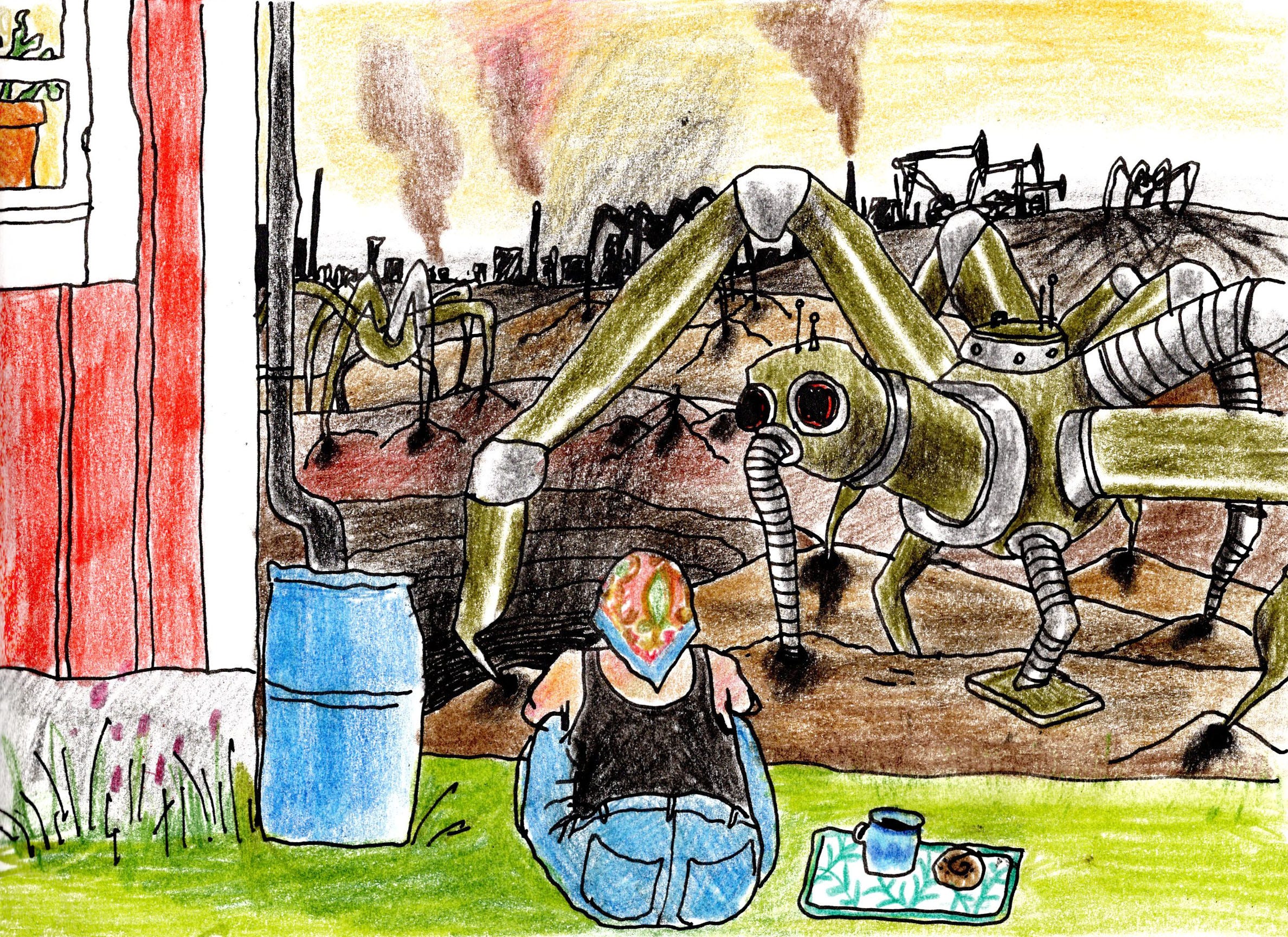
My reality is shaped by where I place my gaze and how long I allow it to rest there. What I become accustomed to seeing. What I let in. But also what I stop seeing as a result.
I wake up to birdsong and the familiar feeling that I have missed something important. That I have let someone down. That I should be better informed. Better read. More engaged. Is it shame?
The world moves faster than I can understand it.
But underneath that, a little deeper down, there is something else. A feeling of being indebted to suffering I can never repay. I know things. I see things. And then I have to make breakfast.
There is a particular kind of fragmentation in this that I don’t think human beings have always lived with. Being constantly exposed to the pain of the world without any proportional way to respond. Without even knowing whether we should respond. It is not only overwhelming, it is a kind of unfinished movement the body carries around.
Perhaps it has always been this way, but what feels different now is that everything is happening at once, in many different places, roaring straight into the nervous system.
And in the middle of all that, we are expected to remain functioning human beings. Parents. Friends. Colleagues. People who still want to feel deeply and do something real without breaking apart.
What troubles me most is not the volume of it all, but how deliberately everything is designed to keep me there. Everything and everyone is competing for my gaze. Not only for my opinions or beliefs, but for my attention.
What should I focus on? What should I be afraid of? What should I have time to react to before the next thing takes over?
And the systems surrounding reality – the algorithms, the platforms, the logic of the news cycle – have learned exactly how to hold a human being’s attention for a few seconds longer. Sometimes they stroke me gently in the direction I am already moving. Sometimes they force my eyes open, stir emotion, only to numb them again moments later.

At the same time, it has become harder to stay with a thought. A feeling. A conversation. A fleeting sense of discomfort easily turns into scrolling, work, distraction. It is as if the whole culture is training us never to rest our gaze anywhere for too long.
My attention breaks while writing this text. I jump to the news feed. A child who has lost their entire family. I stay for three seconds. An AI-generated influencer. I scroll on. Then an advertisement for shoes.
     My daughter asked me when she was six.
     "If you could, would you go to space?"
     "Yes, I'd love to."
     "But you are already in space.
     Earth is already in space."
     Our sense of separation on full display,
     exposed by the raw insight only
     a child possess.
     – Dennis Hedenskog
I don’t know what this does to me over time. I don’t know what it does to us. What happens to a society where we quickly categorise, react, judge and move on? Where everything must become content before it has had a chance to become experience?
Sometimes I wonder whether we are not exhausted by work at all, but by spending too long with our gaze fixed on things that drain our life force. Feeds that keep us reactive. Ideals that leave us feeling inadequate. Visions of success and progress that make us feel as though we are falling behind.
The brain can only be consciously aware of a fraction of everything we take in, but I have read that the rest is stored somewhere anyway. In the fatigue. In the anxiety. In the feeling that something is wrong, even when we cannot quite put it into words. The body knows.
Sometimes everything I gather becomes a powerful feeling that guides me beyond the rational, but more often it feels heavy.
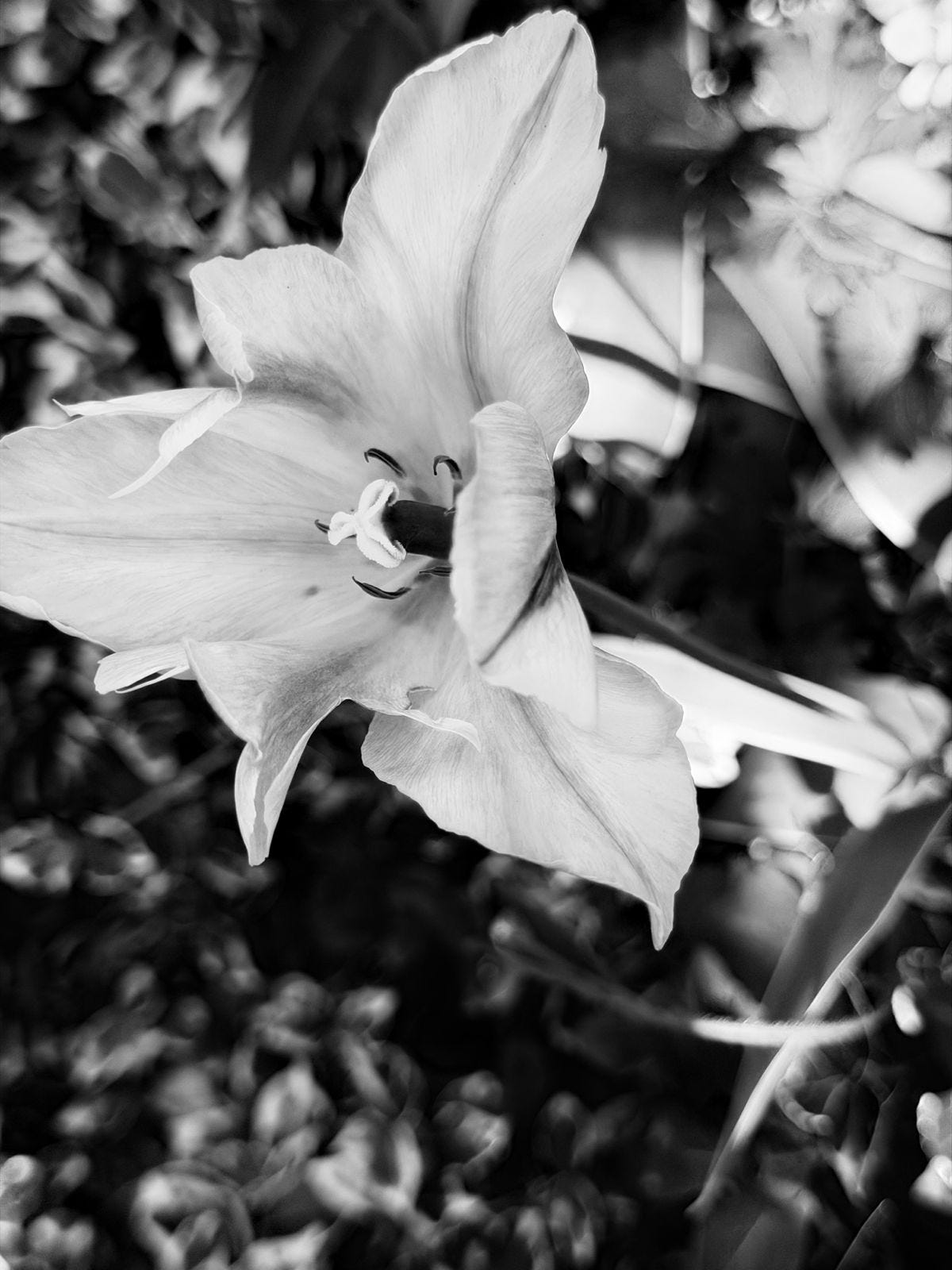
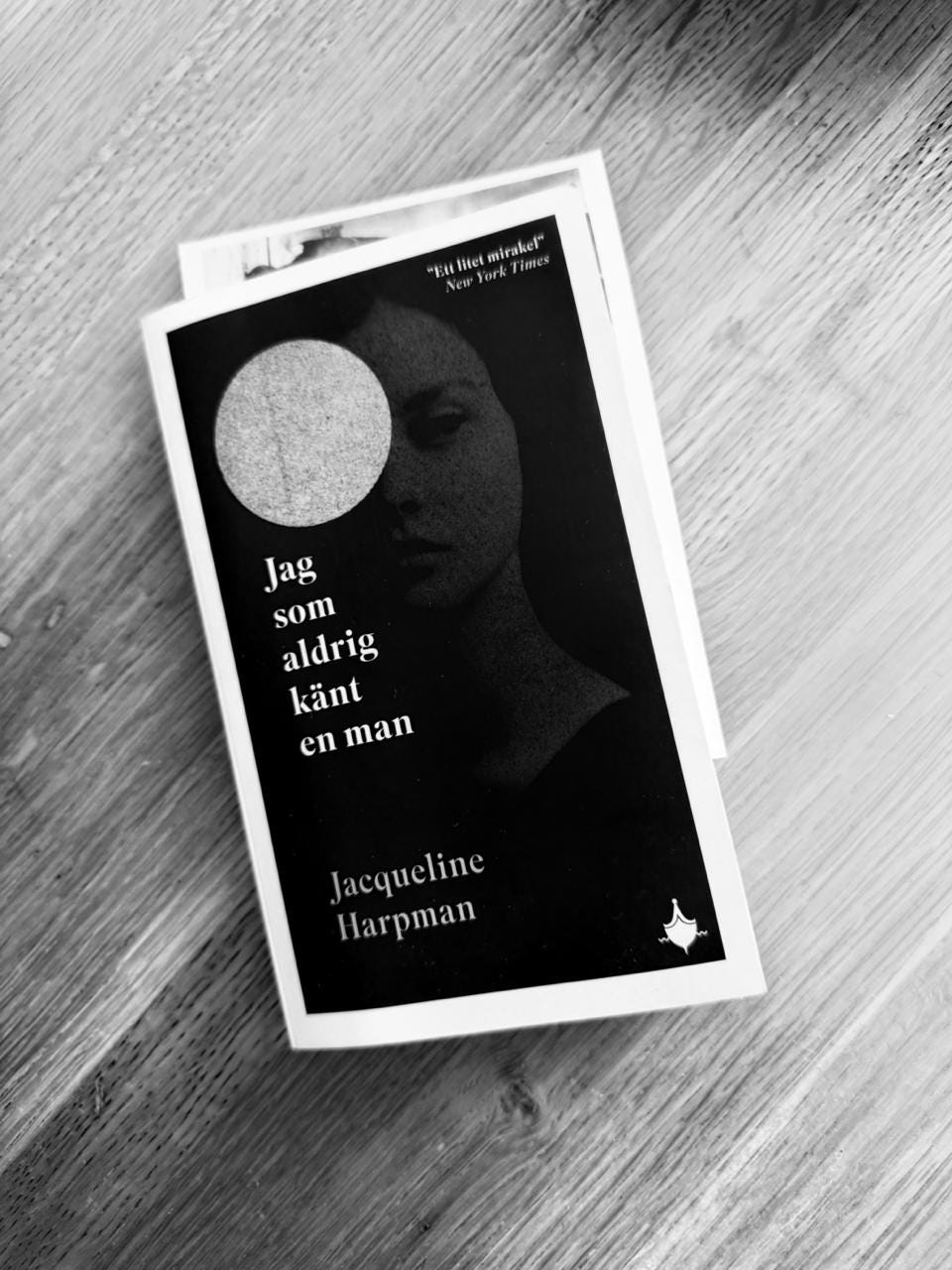
But it works both ways. The moment I become aware that my attention is being owned, I can also choose to place my gaze elsewhere. On a place I would otherwise walk past. On a person I want to understand. On the light through the trees. Or on a book from another time.
Or on myself. Not with the efficient, judging gaze that measures everything through performance, but with a more forgiving one. A gaze that helps me see the context more clearly. The exhaustion more clearly. Things as they actually are.
Reality looks different when we dare to truly see it. Not selectively. Not reactively. But through a gaze we have consciously chosen for ourselves.
I think that is where I have to begin.