


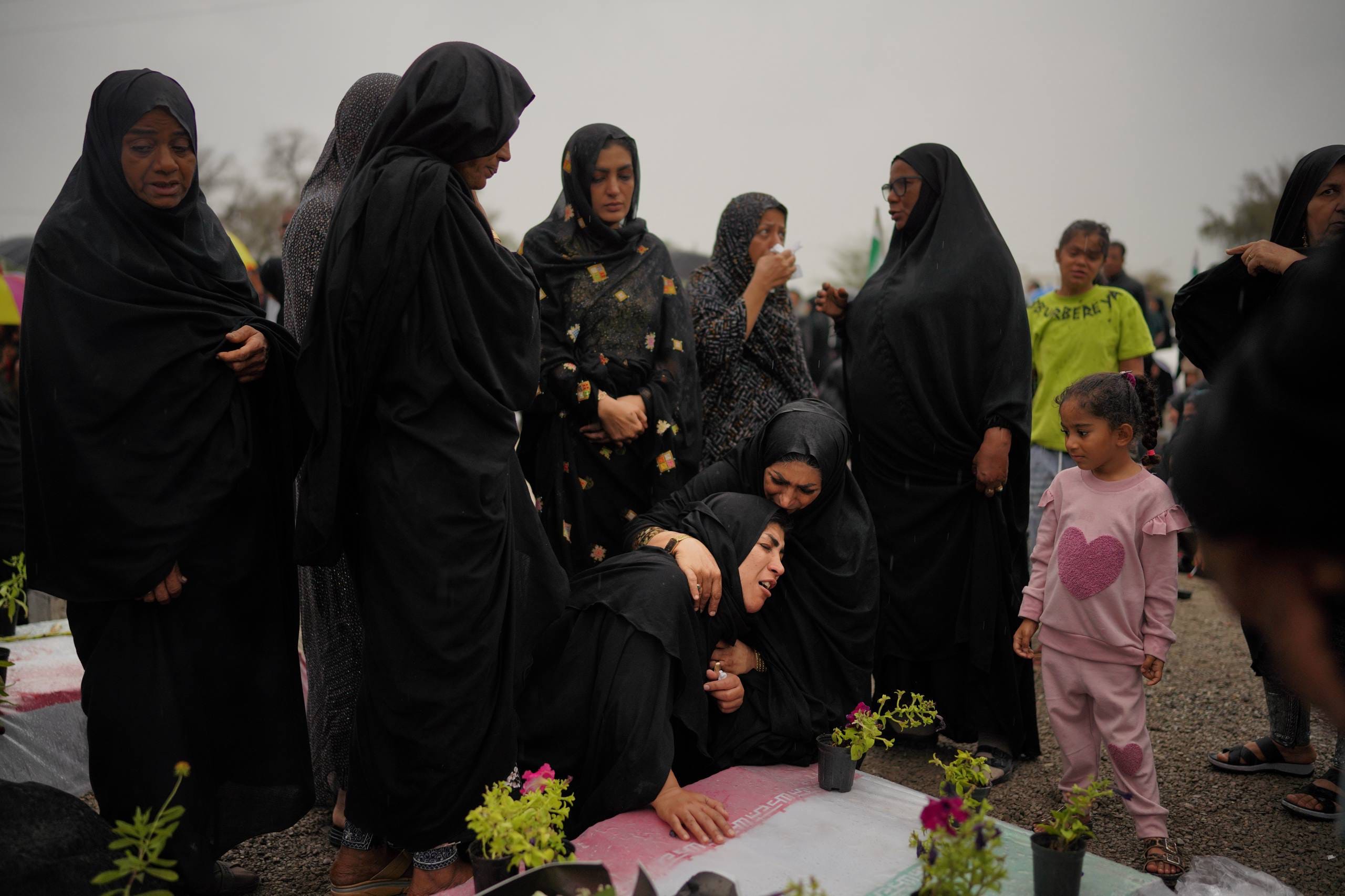
In the summer of 2025, Israel and the United States launched a campaign of targeted airstrikes against Iran in what became known as the Twelve-Day War. The stated aims were to eliminate senior Iranian military commanders, politicians, and nuclear physicists, as well as to dismantle the country’s nuclear technology programme.
As the attacks began, Israeli Prime Minister Benjamin Netanyahu urged Iranians to rise up against the regime and push for regime change. In his address to the Iranian people, he invoked the slogan that had echoed through the streets of Iran during the protests of autumn 2022: 'Woman, Life, Freedom.'
Netanyahu’s appeal went unheeded. People fled in panic, seeking shelter from the bombs. The attacks claimed a large number of civilian lives and triggered a nationalist rallying around the flag after the country was attacked by foreign powers.
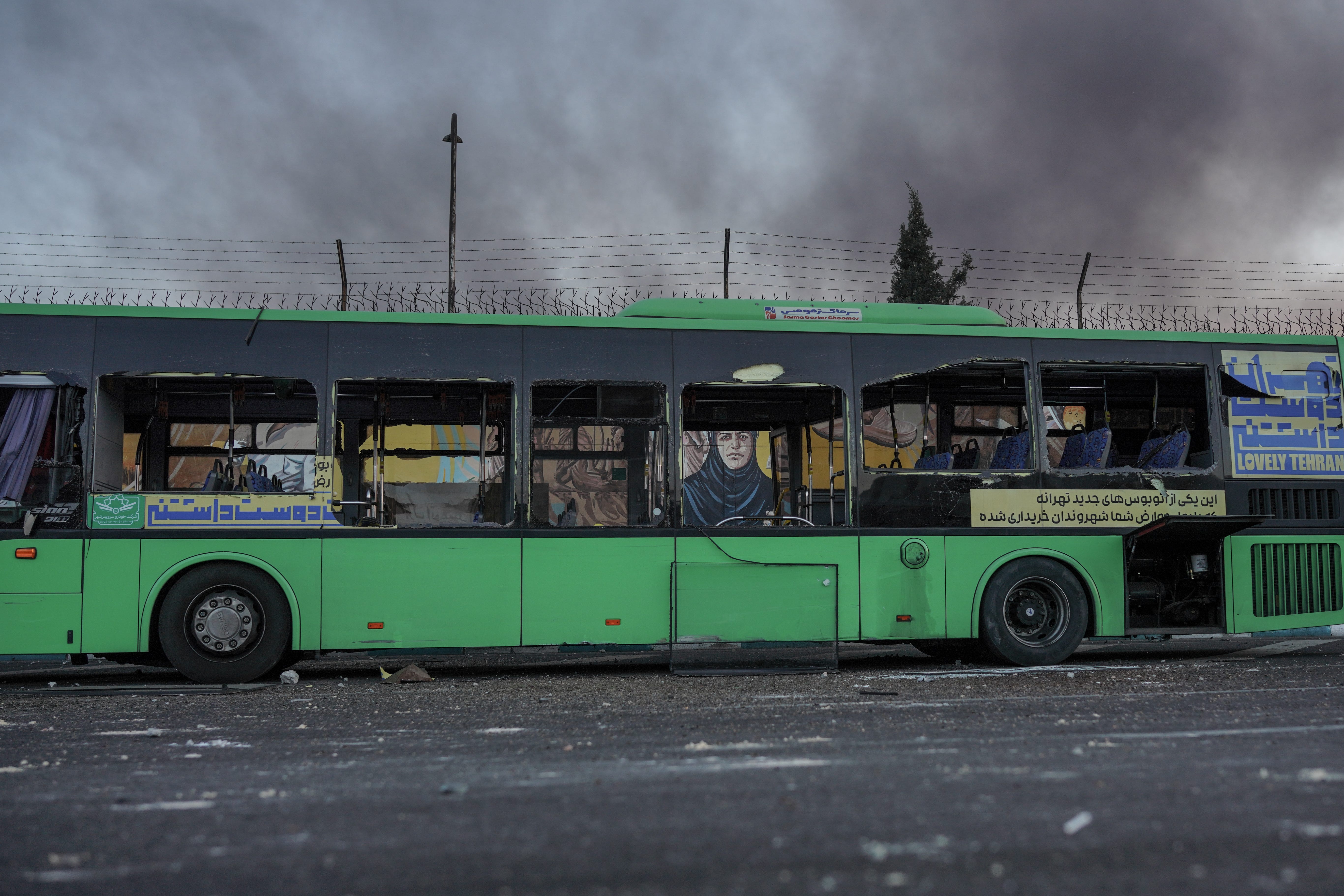
Just over six months after the war, popular protests erupted in Iran. The authorities had failed to address the grievances that had driven earlier waves of unrest.
This time, the demonstrations began in Tehran’s bazaar district, where merchants rose up against 50 per cent inflation and a collapsing currency that had paralysed business and driven the cost of living to staggering levels.
Sanctions and corruption
Iran has long been subject to severe economic sanctions. After Trump withdrew from the nuclear deal in 2018, he imposed sweeping economic sanctions on Iran. The purpose of the sanctions was to weaken the Iranian economy to the point where it would trigger popular protests.
These sanctions, together with the Iranian authorities’ general mismanagement of the economy and widespread corruption, have been among the causes of Iran’s recurring protests.
In early January 2026, demonstrations against the economic crisis evolved into anti-regime protests that quickly spread across the country. They were directed against political repression and the social engineering policies of the political and religious leadership: forced religious indoctrination, restrictions on individual rights and freedoms, and other measures intended to discipline, control, and govern the Iranian population.
The protests in January 2026 differed from earlier protests in one crucial respect. In early January, the Israeli intelligence service issued a statement in Persian on X, declaring not only its support for the demonstrations, but also that its agents were on the ground among the protesters to assist them in the struggle against the regime.
When Netanyahu’s call for revolt failed during the Twelve-Day War in the summer of 2025, Israel saw the 2026 protests as a new opportunity to topple the Iranian regime – at a time when Iran’s regional allies had been weakened or, as in Syria, removed from power."

As in previous waves of protest, the January 2026 demonstrations were crushed by the Iranian regime. The death toll ran into the thousands.
Following the mass casualties, an increasing number of voices inside and outside Iran called for foreign military intervention. This demand was justified on the grounds that multiple attempts to overthrow the Iranian regime had failed, and that only external action could now bring about regime change. The military intervention was framed as a “humanitarian” operation.
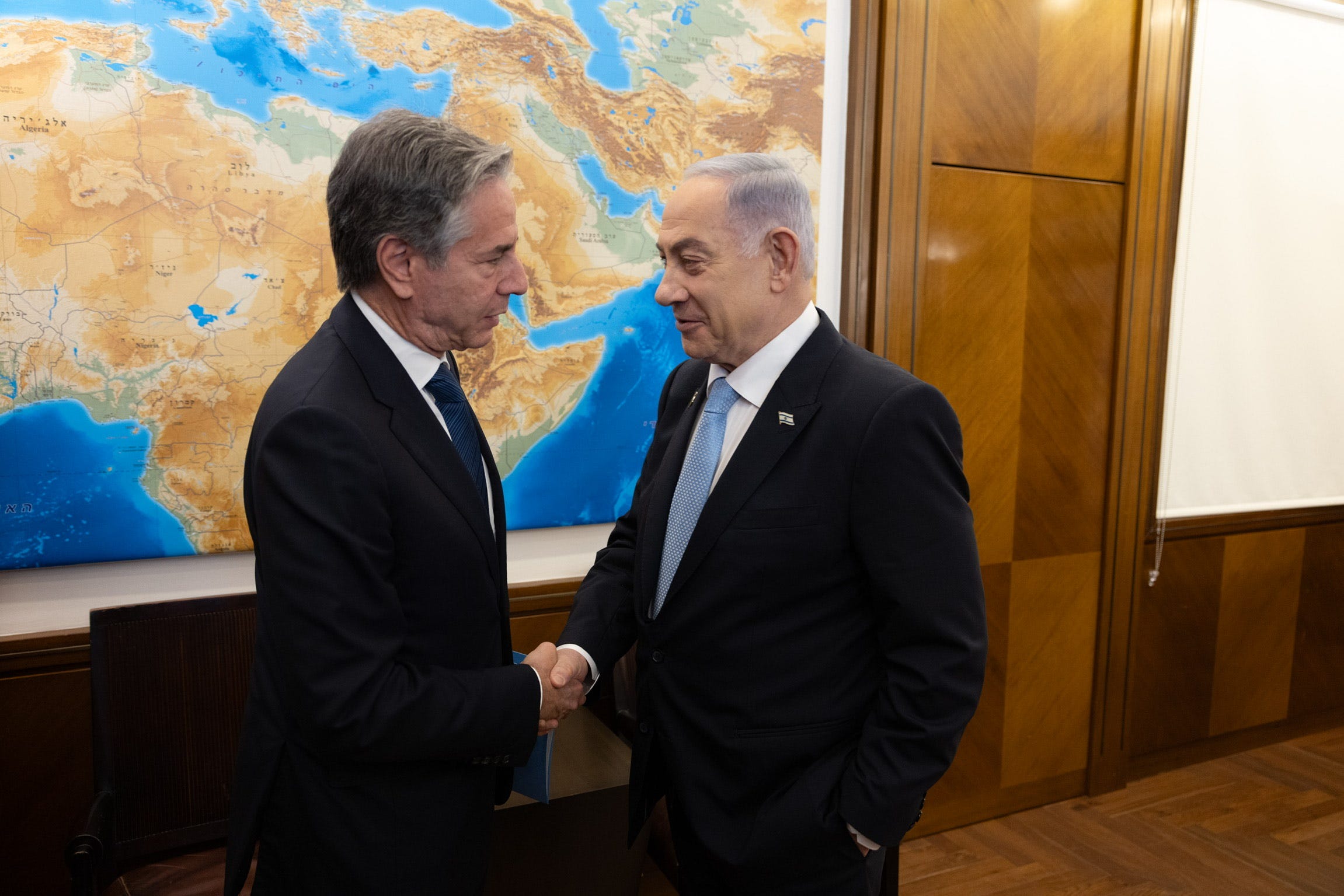
US President Donald Trump promised support. On 28 February, the United States and Israel launched extensive airstrikes against thousands of targets in Iran. The attacks killed Iran’s supreme leader, as well as a large number of senior military commanders and politicians, while thousands of military, industrial, and economic targets – including civilian and critical infrastructure– were subjected to massive bombardment.
Once again, the Israeli prime minister and the US president called on the Iranian people to rise up against the regime and take power. Once again, the military attacks failed to produce a popular uprising.
The United States and Israel appear to have expected regime change after the first wave of massive attacks, which had effectively “decapitated” the regime. That did not happen. Despite being attacked by two of the world’s most powerful militaries, Iran continued to resist. It neither surrendered nor collapsed. Instead, Iran struck back at US bases in countries around the Persian Gulf and at Israel, turning the conflict into a regional war and blocking the Strait of Hormuz.
When the initial plans to force Iran to surrender or collapse did not unfold as the US and Israel had expected, Trump began speaking of objectives other than regime change. He stressed that the attacks were aimed at neutralising Iran’s nuclear programme – the very same programme he had claimed US bombings had obliterated in the summer of 2025 – decimating the country’s missile programme and destroying its naval forces.
Boasting about violations of international law
From the outset, the US-Israeli war against Iran was questioned by experts in international law, who accused the two countries of violating international law because the war was launched in the midst of ongoing negotiations and without UN backing.
A couple of weeks into the war, Trump’s rhetoric increasingly shifted toward deliberate violations of international law.
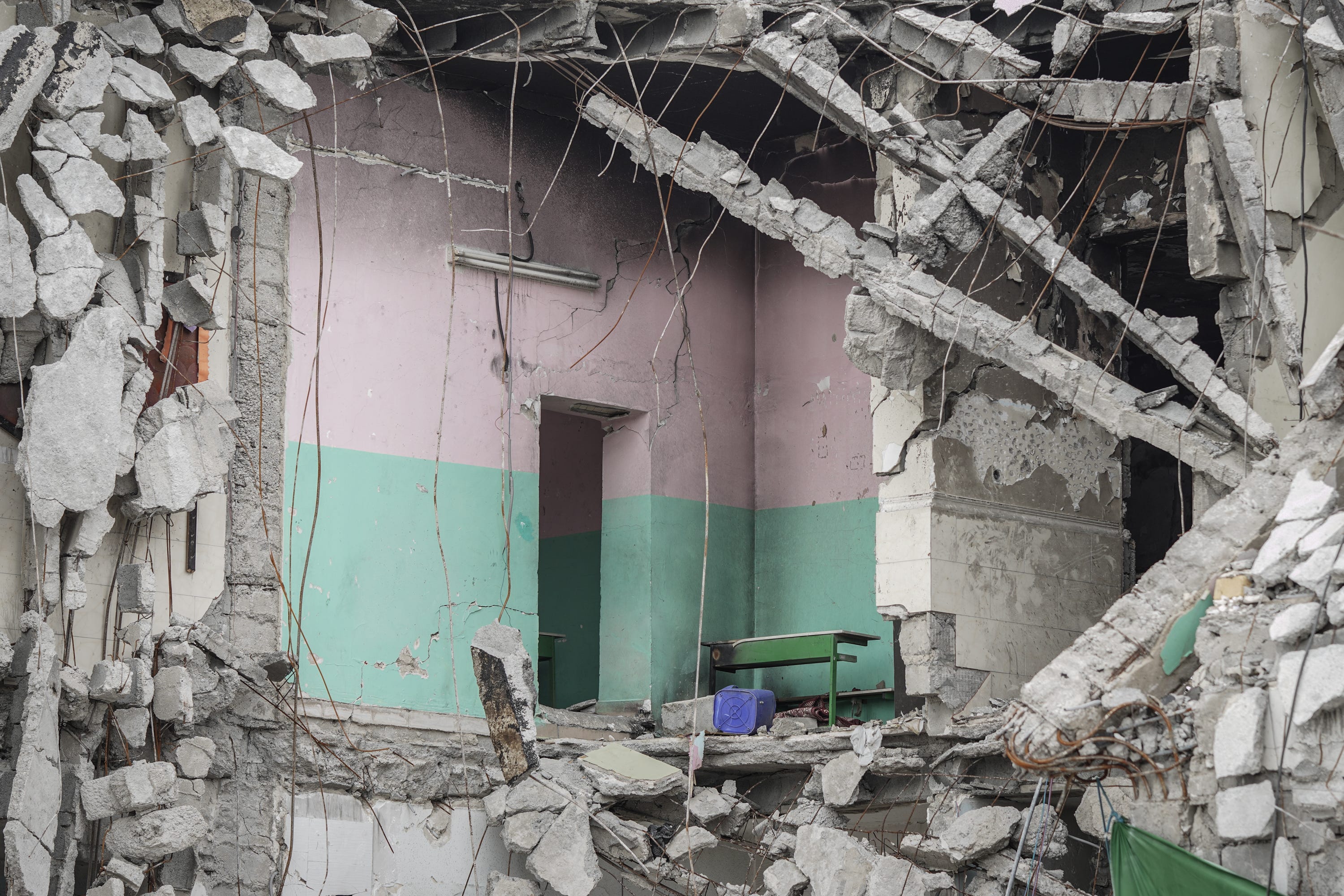
When reports emerged that a girls’ school in the southern Iranian city of Minab had been hit by American Tomahawk missiles on the first day of the war, killing around a hundred schoolchildren, Trump denied them. When the reports proved accurate, he claimed the Iranians themselves were behind the attack.

When independent international human rights organisations and media outlets were able to prove that the US had carried out the attack, American authorities tried to bury the deadly strike in a drawn-out investigation.
The violations of international law did not end with the school massacre.
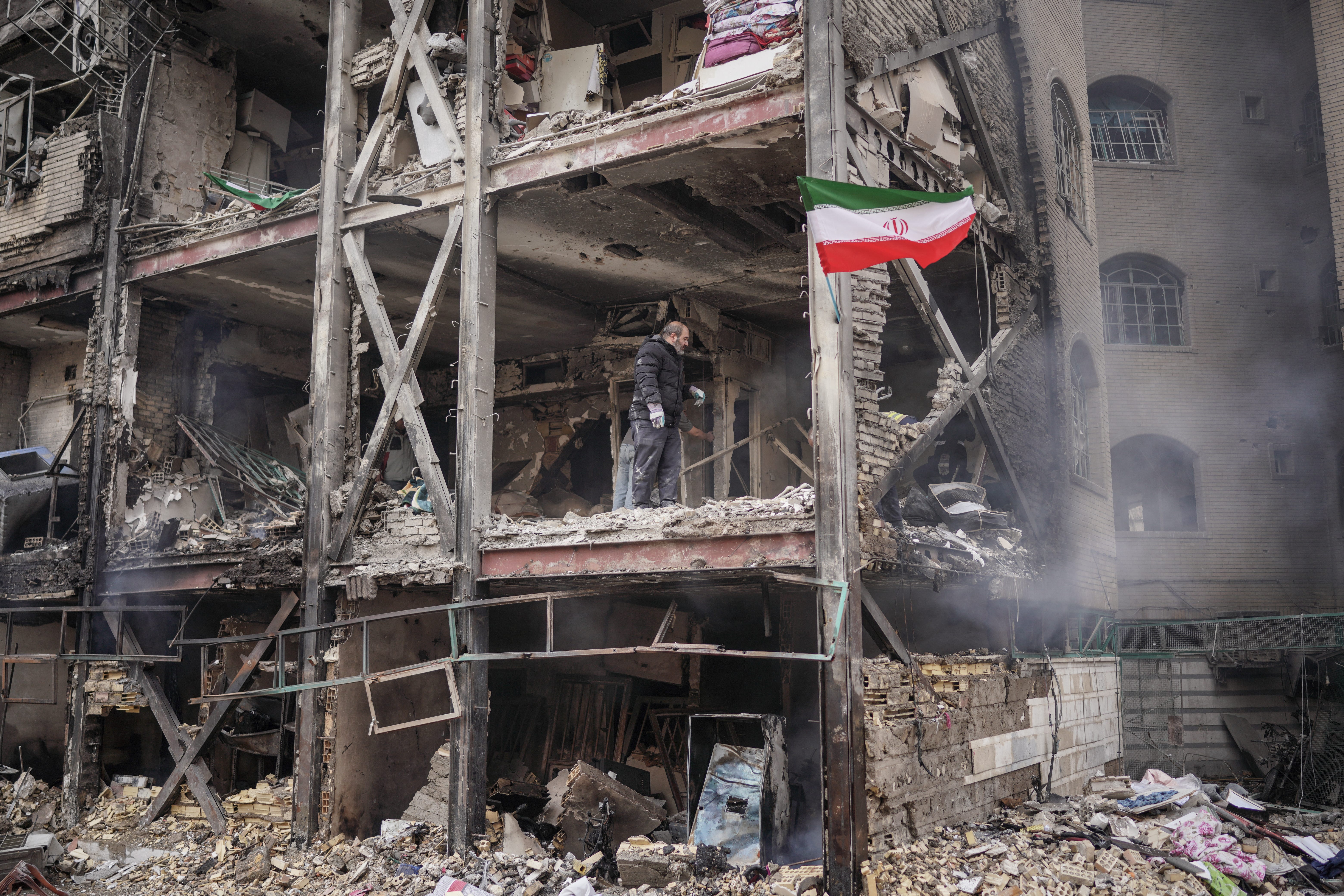
Thousands of civilians were killed in strikes targeting homes, hospitals, schools, universities, and other civilian infrastructure. Trump further threatened to target Iran’s energy facilities, power plants, bridges, and additional civilian assets.
In early April, a bridge outside Tehran was bombed. Trump boasted about it on Truth Social, writing: “The biggest bridge in Iran comes tumbling down, never to be used again — Much more to follow!” He also shared a video showing smoke rising from the destroyed bridge.
Israeli prime minister Netanyahu boasted that Israel had destroyed 70 per cent of Iran’s iron and steel production.
The war rhetoric grew cruder and more dehumanising. Trump threatened to bomb Iran “back to the Stone Ages”, adding that this was “where they belong”. He insisted the attacks would continue simply because they were fun.
US Secretary of War Pete Hegseth used crude Islamophobic rhetoric rooted in fundamentalist Christian beliefs. He said “the US was not fighting with idiotic rules of engagement” and that “no mercy would be shown to America’s enemies”.
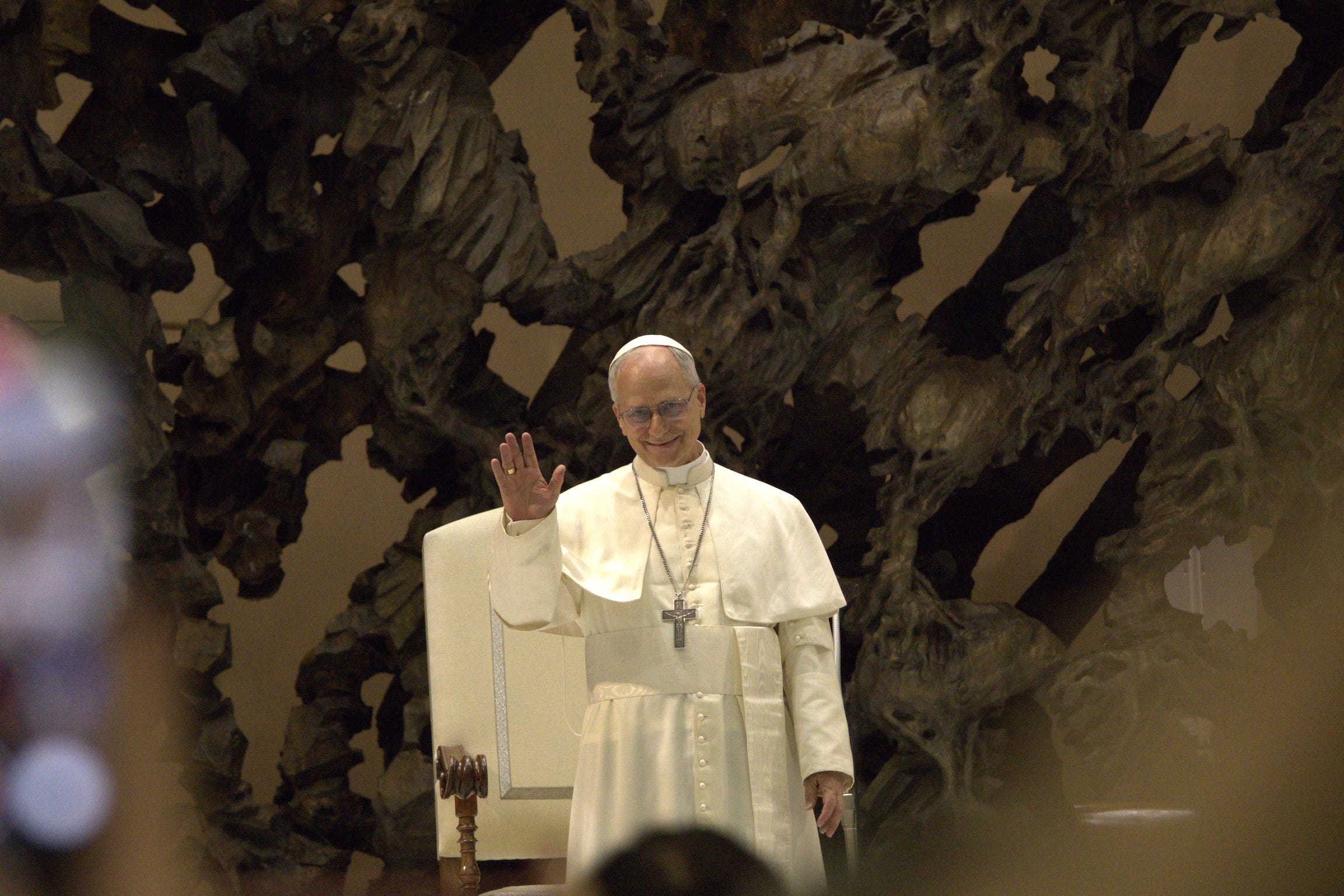
According to experts in international law, such statements are clearly prohibited under international law. Hegseth was sharply criticised by Pope Leo XIV, who accused him of distorting the message of Jesus. The Pope stressed that God shows how to give life, not how to destroy it. “The desire for domination often distorts the Christian mission into something entirely alien to the path of Jesus Christ,” the Pope said.
No humanitarian intervention
At least 1,701 civilians have been killed in the US-Israeli war in Iran, including at least 254 children, according to the US-based human rights organisation HRANA.
In Tehran, more than 8,600 people have been injured, 87 per cent of them civilians, according to the emergency services. Across the country, 45,000 people have been injured, according to the Iranian Red Crescent, including at least 1,767 children, according to UNICEF.
More than 100 American experts in international law, including scholars from leading universities such as Harvard, Yale and Stanford, wrote in an open letter that the conduct of US forces and the statements of the US administration “raise serious concerns” about suspected violations of human rights and international law, including possible war crimes.
The experts also criticised the Iranian regime for its human rights violations and warned other countries against assisting the United States and Israel in the unlawful war against Iran.
What had been presented as a war of liberation and a “humanitarian intervention” became something else entirely. Trump’s threats to obliterate Iranian civilisation and bomb the country back to the Stone Age provoked deeply hostile reactions among many Iranians.
The hostilities were paused after 40 days. The military campaign shifted into economic warfare. The United States imposed a naval blockade on Iranian ports, while Iran resumed its blockade of the Strait of Hormuz. Each side tightened its grip on the other.
The US naval blockade was intended to prevent Iran from exporting oil, the country’s most important source of revenue. At the same time, ships were barred from docking at Iranian ports, a measure expected to cause shortages inside the country. The purpose of the blockade was to pressure the Iranian economy and force Iran into concessions at the negotiating table.
The economy as Achilles’ heel
Iran’s economy was already in deep crisis before the war, and that crisis had helped drive the protests. The war placed an additional burden on the Iranian leadership. Preliminary estimates put Iran’s economic losses at 270 billion dollars. By comparison, Iran’s losses in the war against Iraq in the 1980s amounted to 627 billion dollars after eight years of war.
The damage was not limited to physical destruction. The massive bombing of Iran’s basic industries and economic infrastructure led to widespread unemployment among wage earners employed in those sectors.
From the American and Israeli point of view, the economy was known to be Iran’s Achilles’ heel. The sanctions Trump imposed after the United States withdrew from the nuclear deal in 2018 had already weakened Iran’s economy. That was why the war included massive airstrikes on industrial and economic targets.
The naval blockade was intended to deepen Iran’s economic crisis, reignite popular protests and force Iran into concessions — or lead to the collapse of the regime.
Iran’s countermeasure, the closure of the Strait of Hormuz, halted one fifth of the world’s energy supply through the waterway, while all other maritime traffic to and from the Persian Gulf also stopped. The move placed severe pressure on the global economy, pushing up energy prices and inflation and creating fuel shortages around the world.
The economic war between the United States and Iran has become a game of chicken, with each side waiting for the other to swerve. Whoever blinks first, or gives way first, loses.
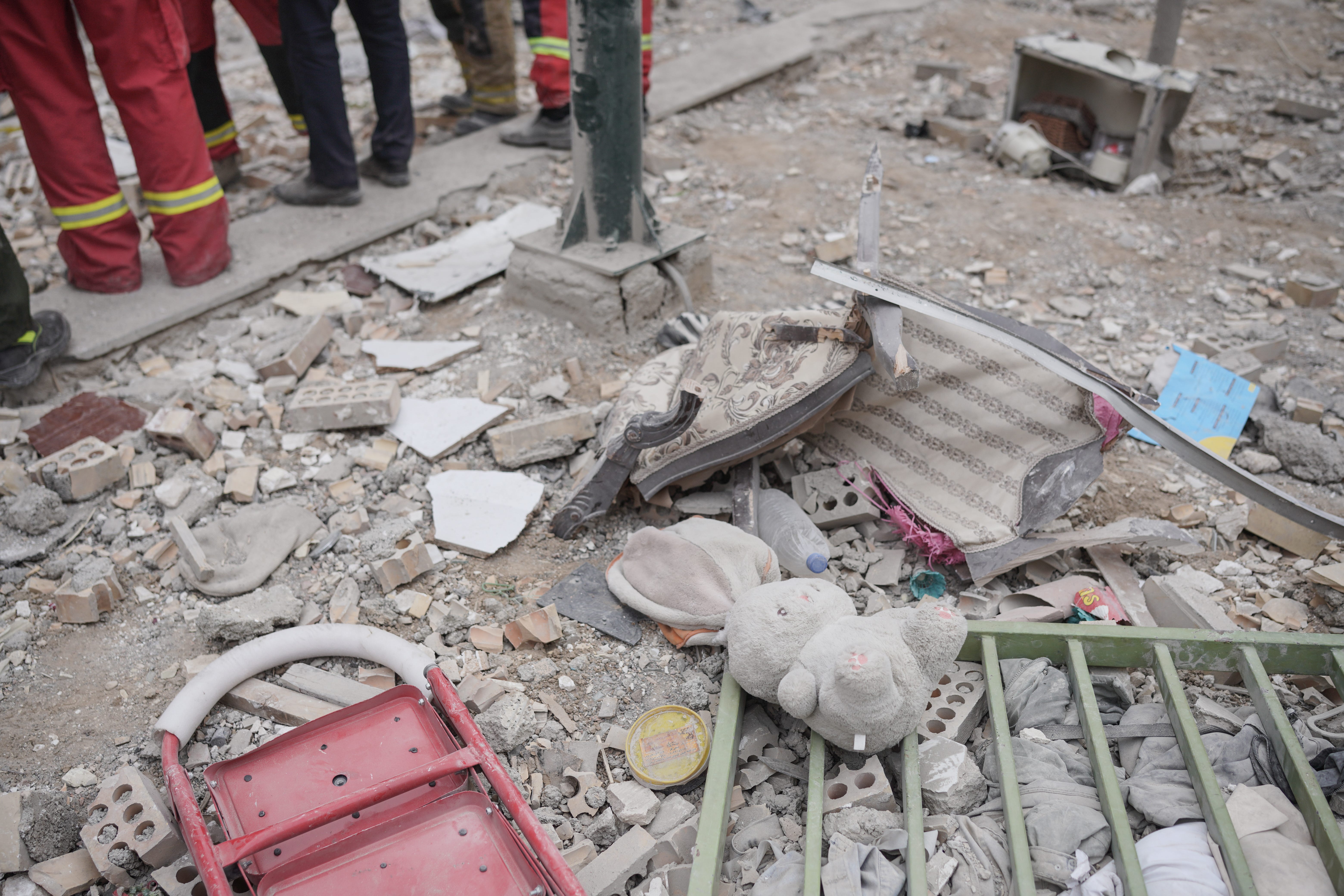
The war caused massive destruction and killed large numbers of civilians in Iran. Its horrors and devastating consequences for the civilian population have meant that the groups and actors who called for foreign military intervention are now facing increasingly harsh criticism. They have been accused of warmongering and branded as quislings.
Those who opposed foreign intervention warned that democracy could not be bombed into existence in Iran by foreign powers. Their warning was that those countries had priorities of their own, and that those priorities did not necessarily coincide with the agenda of Iran’s democratic forces.
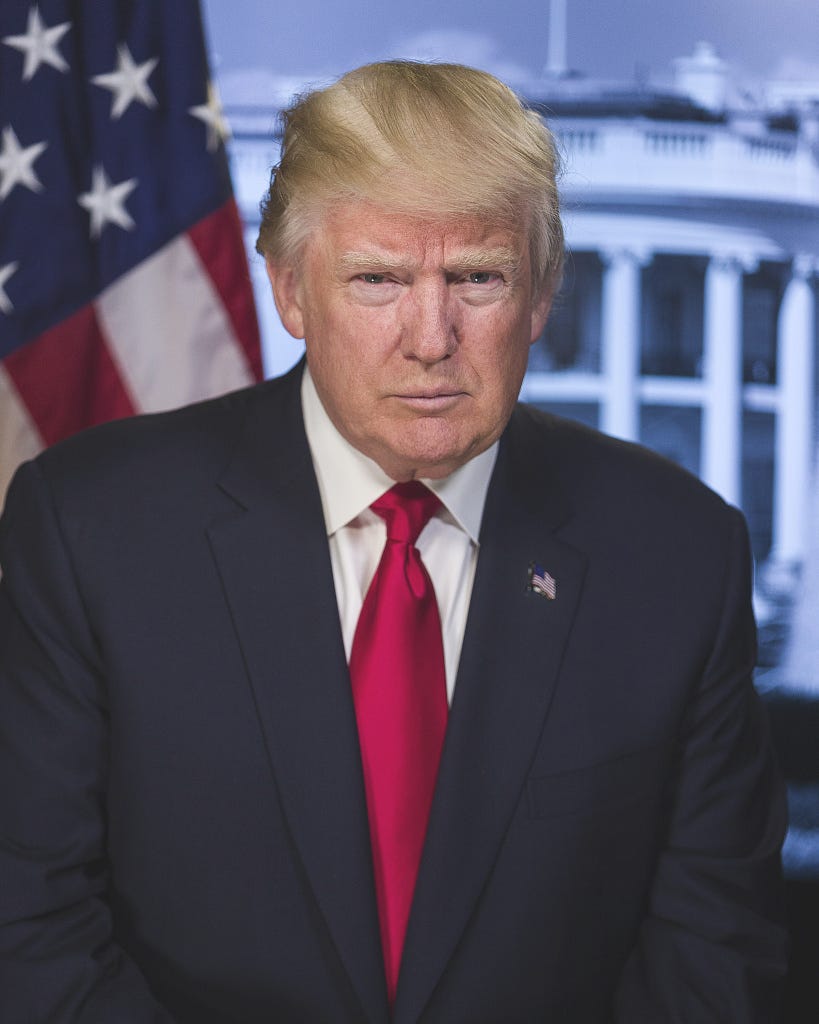
Already during the Twelve-Day War in the summer of 2025, many democratic forces in Iran regarded the war as a setback. One of their criticisms was that actors such as Netanyahu, himself wanted by the International Criminal Court for genocide in Gaza, and US President Trump do not prioritise democracy and human rights in Iran.
In the midst of the Twelve-Day War, the Iranian Writers’ Association published a statement condemning Israel’s and the United States’ war of aggression against Iran, while also sharply criticising the Iranian regime for repression, human rights violations, corruption and discrimination. The Writers’ Association described the Israeli and American war of aggression as a threat to, and a setback for, Iranians’ struggle for freedom and democracy.
At the time of writing, it is still too early to analyse the consequences of the war. What can be said, however, is that Iran’s political landscape remains unchanged.
On one side stands a battered regime that remains in power despite 40 days of intense military attacks and economic blockade.
On the other stand various opposition groups – left-wing groups, ethnic groups, monarchists and others – seeking to overthrow the Iranian regime, with or without the support of foreign military intervention. What they have in common is that all aspire to power in Iran once the regime falls. Beyond that, they are deeply divided and hostile towards one another.
A third and decisive actor is the foreign factor, led by the volatile and unpredictable US president. Trump has to deal with domestic opinion opposed to the war. He also faces reactions from the Maga movement, after campaigning on a promise not to start new wars. At the same time, he has to manage the Israeli prime minister, who is pushing for the war to continue.
Finally, Trump must contend with dissatisfied world leaders, including US allies in the West. After their initial silence, and after early expectations of the Iranian regime’s fall failed to materialise, they are now demanding that Trump produce a way to end the war. Their economies are under severe pressure because of Iran’s blockade of the Strait of Hormuz.
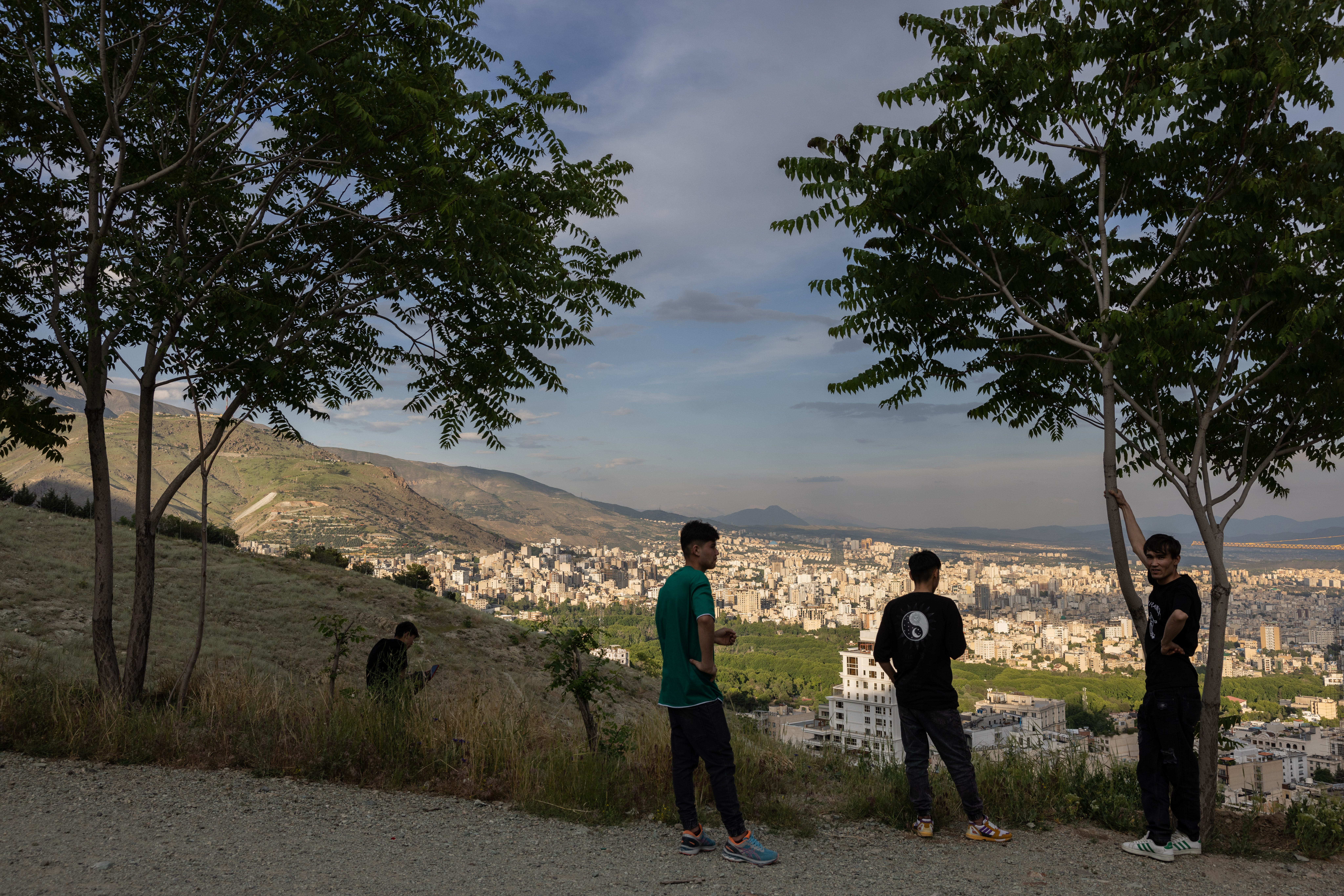
Since the ceasefire began, negotiations between Iran and the United States have been conducted through Pakistan as mediator. Alongside the continuing economic war, there is also a psychological war and a battle over the narrative.
Both sides have declared victory. Trump has claimed that the United States and Israel have militarily obliterated Iran. His main challenge will be to convince both domestic opinion and the outside world that the war achieved its stated objectives – and to explain how he intends to end it.
Iran, too, has declared victory, arguing that it won the war by surviving. The Iranian regime, however, now has to convince its population that this alleged victory was worth the price.
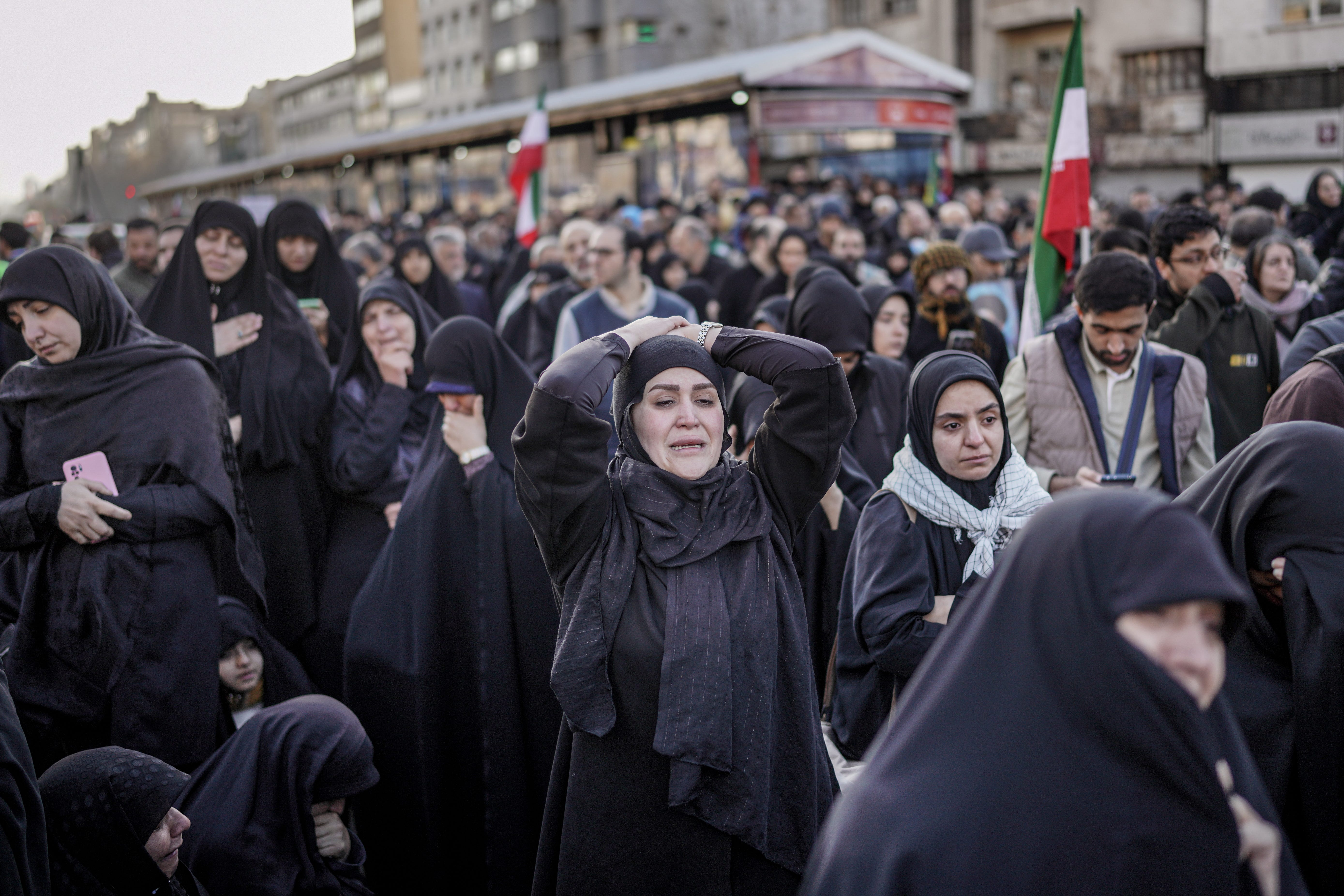
Since the start of the war, the regime has mobilised its loyalists through evening and night-time gatherings in streets and squares, in order to show the outside world, the opposition inside the country and the Iranian diaspora abroad that it still has popular support.
Death instead of liberation
Even so, the regime faces major challenges. It must manage the post-war economic crisis, as well as the political, social and other factors that have driven recurring popular protests in recent years.
A return to the status quo is without doubt no way forward. It is unlikely to solve the problems, but merely to postpone them until the next spark ignites new protests.
Beyond the struggle over the narrative between the parties involved, one may ask what the US and Israeli war has actually achieved. Trump claimed that the war would liberate Iranians. Instead, it led to the deaths of thousands of Iranian civilians, while the regime remains in power, albeit with new and even more hardline actors.
Although militarily weakened, Iran has launched intense attacks against Israel and US bases in neighbouring countries around the Persian Gulf. It also now possesses a new weapon: the closure of the Strait of Hormuz.
Among the losers is Iran’s civilian population, which had to endure the horrors of war while the outside world looked away. Another loser is the rules-based world order. The war has become yet another proof that the world has reverted to an order based on power.
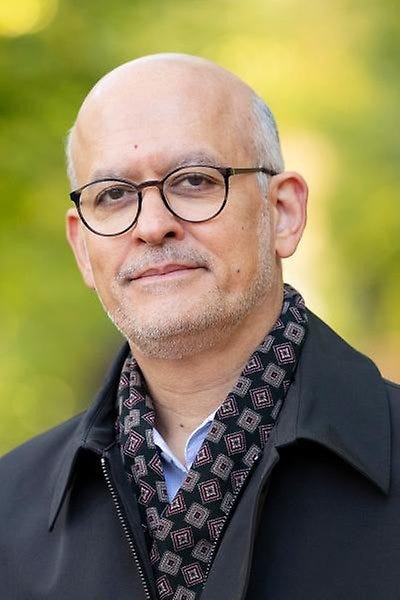
Mohammad Fazlhashemi is professor of Islamic theology and philosophy at Uppsala University. Born in Tehran, he has lived in Sweden since 1977. Fazlhashemi is one of Sweden’s leading experts on the history of Islamic ideas and regularly appears as an analyst in national media and major daily newspapers.
Read a report on the school massacre:
