



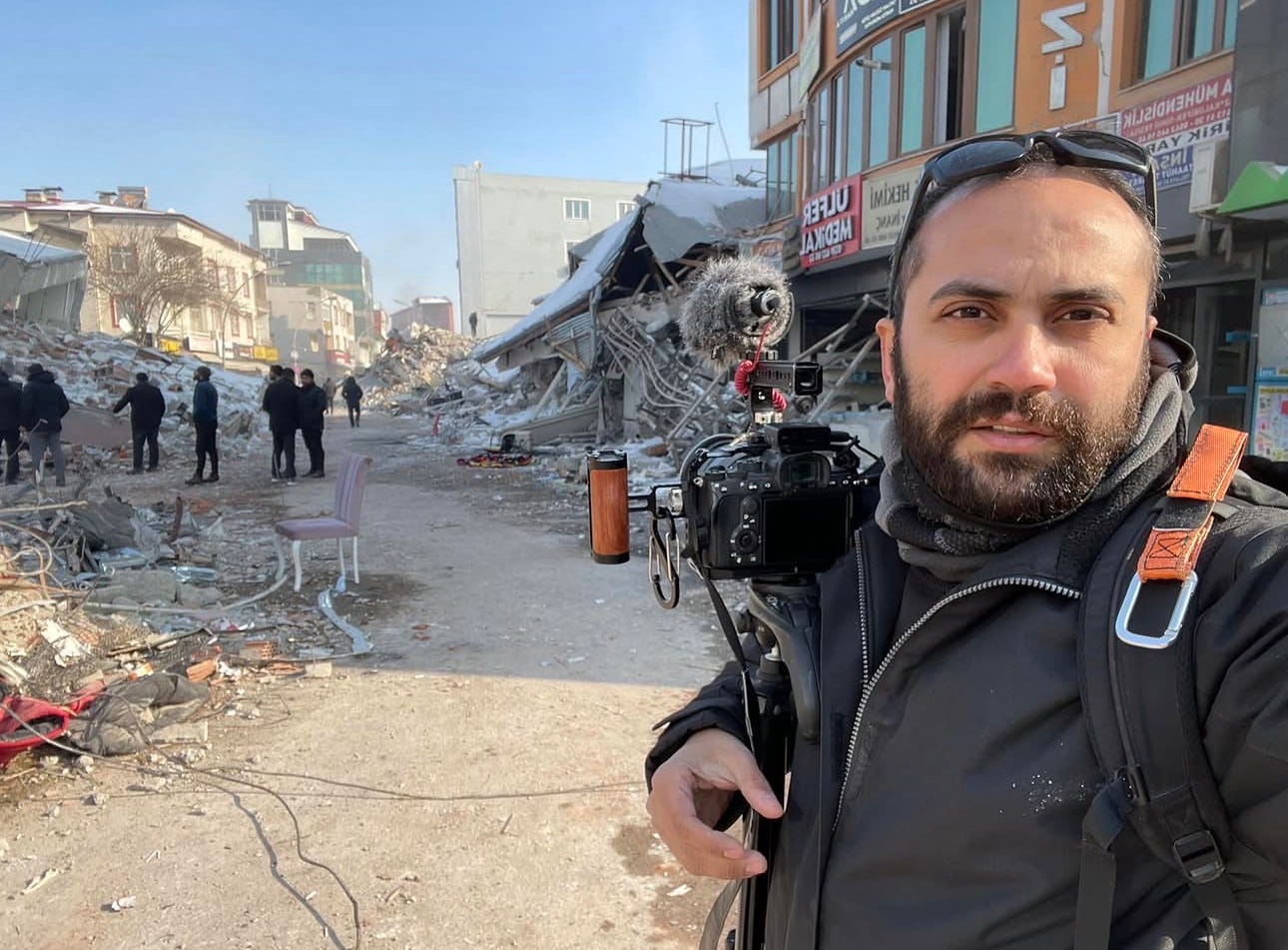
On 13 October 2023, Reuters video journalist Issam Abdallah, 37, was on assignment in southern Lebanon, covering the cross-border clashes that had erupted between Israel and Hezbollah, the Lebanese political and military organisation.
Seven journalists from Reuters, AFP and Al Jazeera were at the site. At around 4:45 p.m., they gathered on a hilltop in Alma al-Shaab to film a plume of smoke a couple of kilometres away and began reporting. Three live feeds were being broadcast to several international media outlets.
Israel could see the journalists as they stood in plain sight on the hill. Israeli drones were overhead, and an Israeli Merkava tank was positioned roughly 1.5 kilometres to the southeast. At around 6:00 p.m., the tank suddenly fired a shell at the group, killing Issam Abdallah instantly. Thirty-seven seconds later, it fired again – in a so-called double-tap attack – and Al Jazeera’s news vehicle exploded.
The six other journalists were wounded. AFP photographer Christina Assi, 28, found herself near a burning car, screaming repeatedly. She could not feel her legs and was terrified she would burn alive.
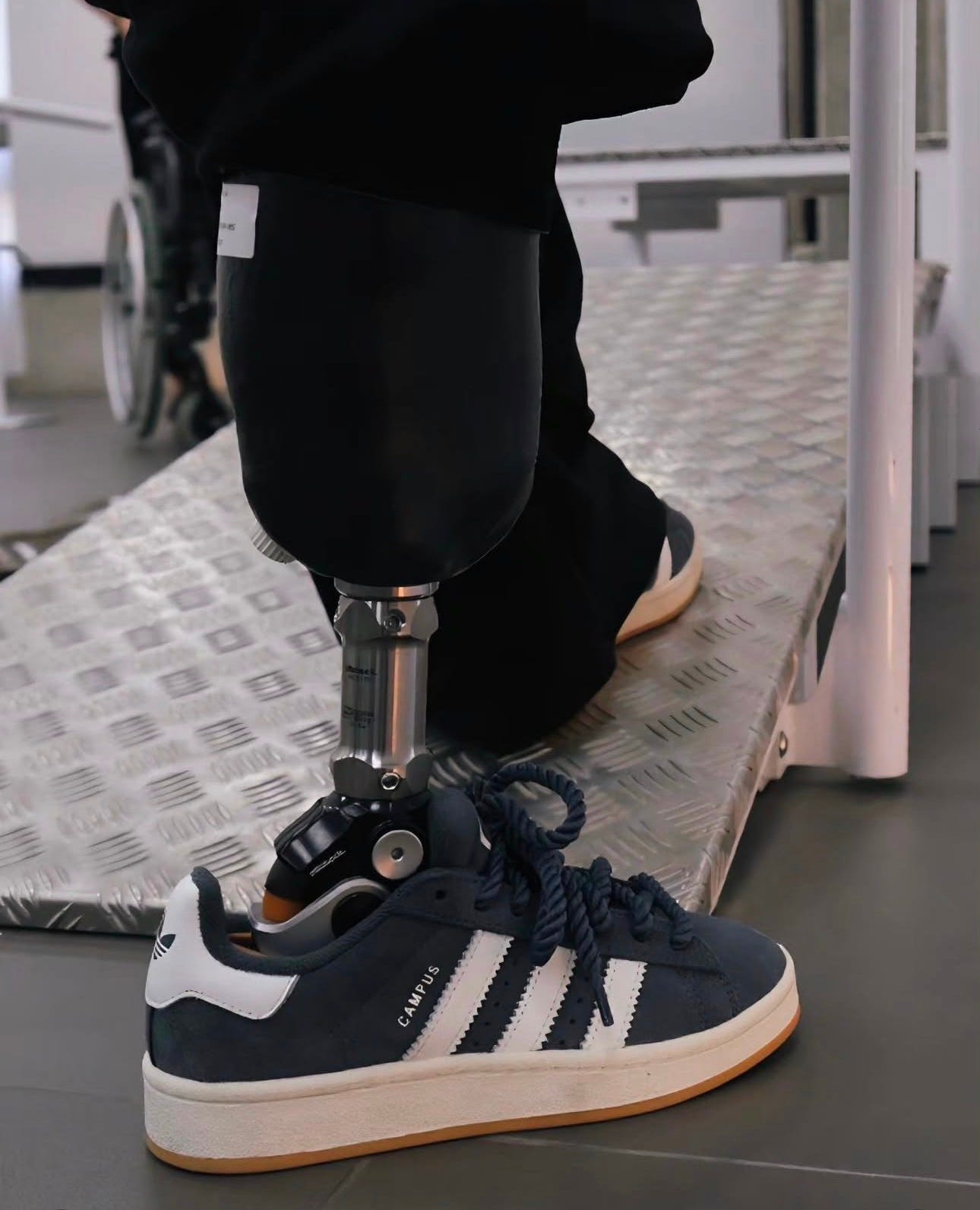
She sustained life-altering injuries in the attack, including the amputation of her right leg. You can read her own account of what happened here.
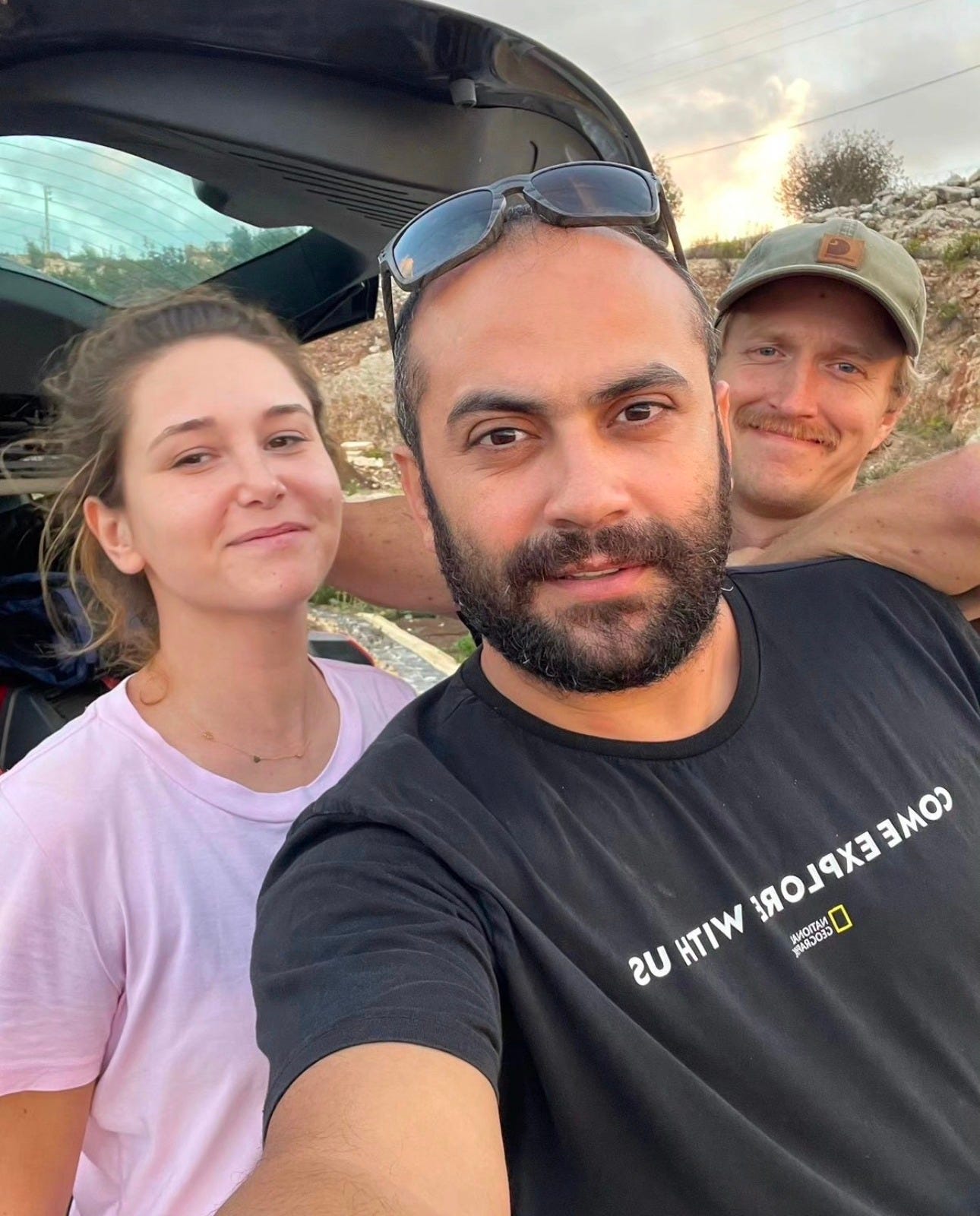
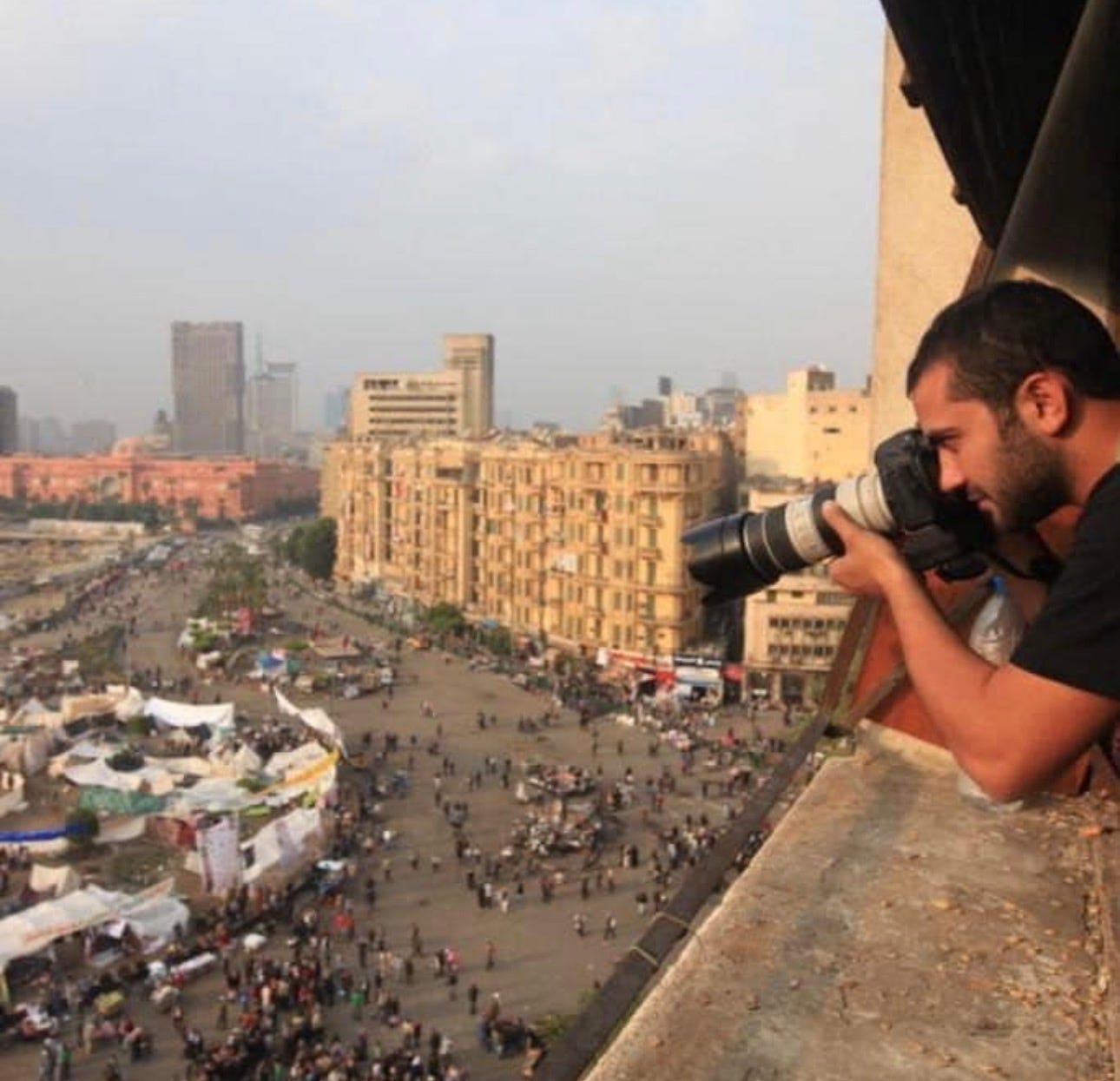
Issam Abdallah was born in 1986 in Al-Khiyam, Lebanon, and joined Reuters in 2007. He was praised for his coverage of the wars in Ukraine and Syria. Reuters’ Editor-in-Chief described him as brilliant, passionate, and much loved.
The day after Abdallah was killed, he was buried in his hometown. His friends shared photos of him rescuing a cat. One wrote that cats would forever serve as a reminder of him, as he always carried a bag of cat food to feed them.
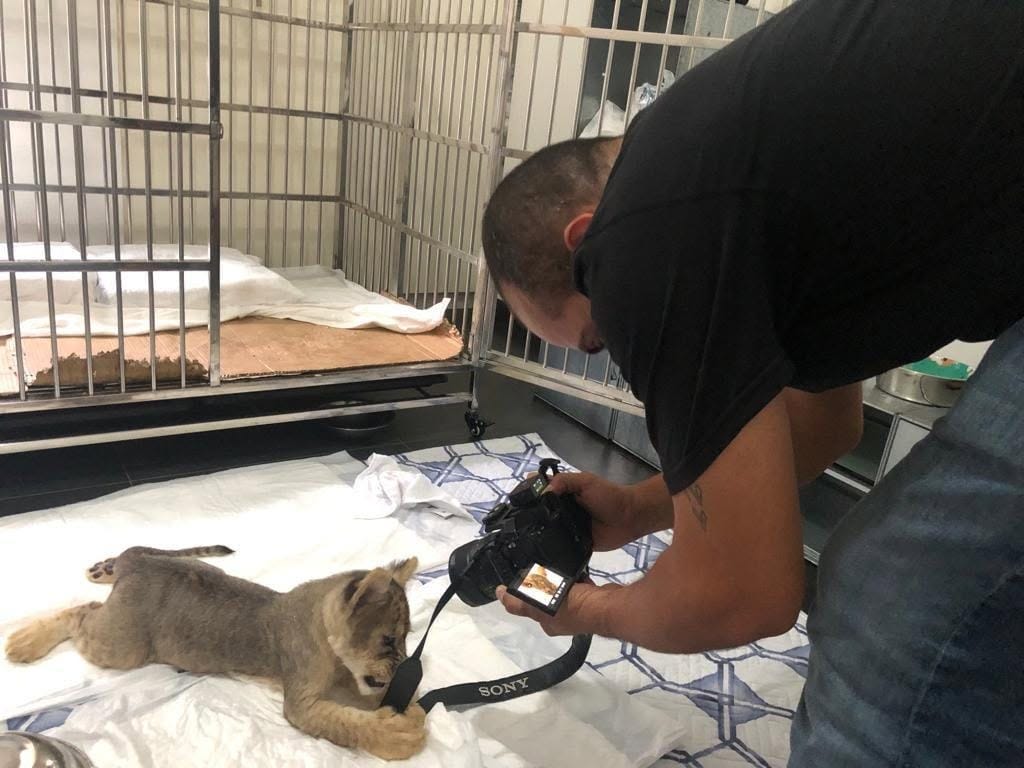

The organisation Animals Lebanon shared a tribute to Abdallahs’s love for animals:
“Through his reporting he brought international attention to the plight of wild animals traded illegally or kept in zoos. He adopted pets and cared for homeless animals. He joined in when we were rescuing two bears. He missed a flight to stay with our team to make sure the cat was saved. Just last week he was with us and the two baby lions and he was looking forward to seeing them at the airport when they go to a sanctuary.”
Four independent investigations into the killing of Abdallah – conducted by Reuters, AFP, Amnesty International, and Human Rights Watch – have shown that Israel fired the two shells at the journalists (Israeli-made 120mm shells). The investigations also found that they were wearing helmets and bulletproof vests clearly marked “PRESS”, they were standing near a car with the text “TV” written across its hood, and they were not near any military target or active combat (being at least 1.5–2 kilometres away).
The Reuters report quotes international criminal law expert Carolyn Edgerton, who suggests the IDF may have perceived being filmed as a threat, but emphasises that the firing of the two shells constitutes a clear violation of international humanitarian law.
Both Amnesty International and Human Rights Watch have concluded that the IDF knew, or should have known, that those they fired upon were civilians, and that they deliberately chose to attack regardless. The journalists remained in the same position for over an hour. During the final 25 minutes before the attack, an Israeli camera drone circled them no fewer than eleven times, clearly aware of their presence. An Israeli helicopter also flew overhead.
The IDF responded to Reuters’ investigation by stating that the incident was under review. They also said that the area was an active combat zone and that being there was dangerous. They further claimed that because Hezbollah had attacked Israel on the same day Issam was killed, potential terrorists could have been infiltrating Israeli territory, and they therefore used tank fire to prevent this.
Israel has provided no evidence to support these claims.
According to Human Rights Watch, the killing of Issam Abdallah and the wounding of the other journalists constitute a war crime.
An investigation by the UN peacekeeping force in Lebanon, UNIFIL, has concluded that Israel’s attacks on the journalists were a violation of both UN Resolution 1701 (2006) and international law.
UNIFIL stated that during the 40 minutes preceding the Israeli tank fire, they recorded no information regarding any exchange of fire between Israel and Hezbollah across the border.
Issam’s sister Abeer Abdallah said the family is completely devastated:
“There is no measure for our pain. Issam was passionate about his work, about the people he met and the stories he told. He posed no threat to anyone, and yet, as the UNIFIL report confirms, he was fired on deliberately by the Israeli tank. The evidence is clear. There is no justification for it. And yet we are still waiting for justice for Issam, for accountability. We will not rest until we achieve it.”
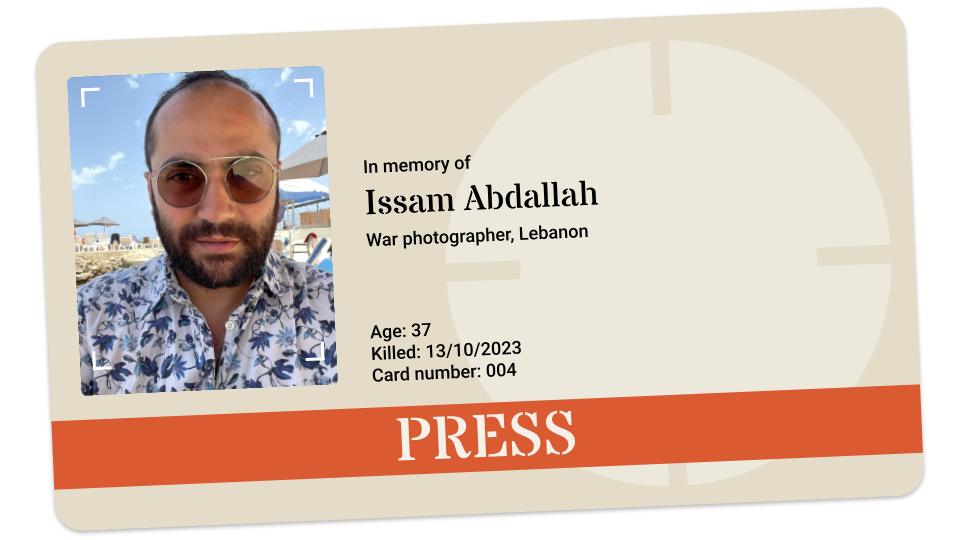
Press Cards
To continue drawing attention to the crimes against press freedom and against journalists, Gad World is publishing the series Press Cards, which tells the stories of who the killed journalists were. Of their lives – and their deaths.
Since October 7, 2023, Israel has killed at least 256 journalists and media workers in Palestine, Lebanon, Yemen, and Iran, according to CPJ. Israel alone accounted for approximately two-thirds of all journalists killed worldwide in both 2024 and 2025.
Record-breaking killings. The lack of respect for the lives of journalists – and for the international laws designed to protect them – is unprecedented. Israel has now killed more journalists than any other state since CPJ began collecting data in 1992.
Protection of journalists. Journalists enjoy strong legal protection in war. According to Article 79 of Additional Protocol I to the Geneva Conventions, they are considered civilians and must not be targeted for attacks.
War crime. An intentional attack against a journalist constitutes a war crime.
Protection without distinction. A journalist’s political affiliation, opinions, or work – even propaganda – does not constitute a legal basis for making that person a military target.
Direct participation. Protection ceases only if a journalist takes a direct part in hostilities. According to Article 51(3) of Additional Protocol I, journalists lose their protection against attacks only for such time as they directly participate in combat – and regain that protection immediately once that participation ends.