


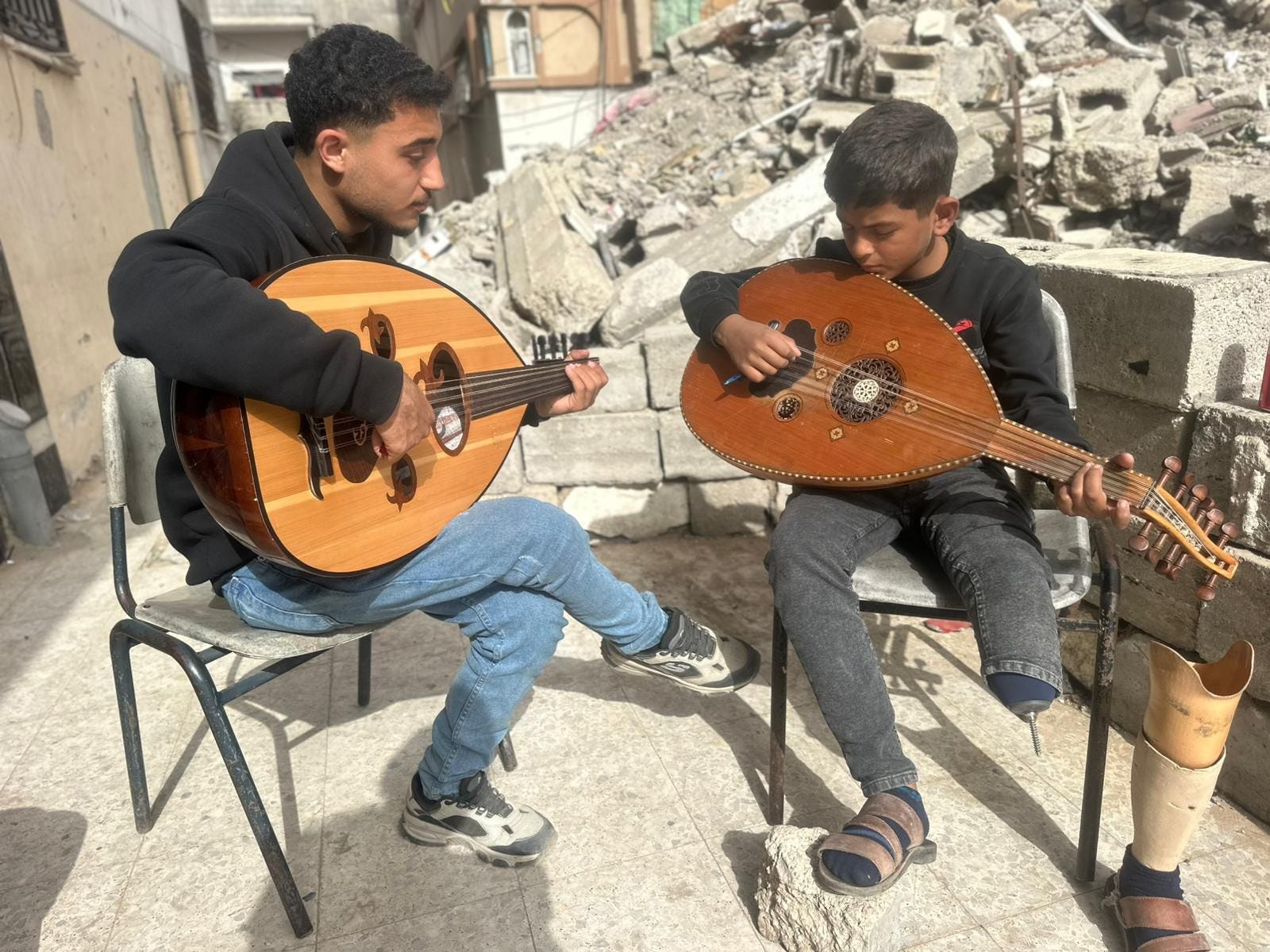
In Gaza, music is not a luxury. It is what artists make in a last, desperate attempt to hold on to the soul before cruelty suffocates it. These musicians were not formed in grand concert halls. Their voices have been carved out of a reality where suffering and death are constant companions.
In my neighbourhood, we have never woken to a day without mourning a martyr or tending to the wounded. Music has run through every funeral, but also through every wedding.
We lead the groom in a zaffa towards his new life with the same pride with which we lead the martyr in a zaffa to his final rest. Among us, tears and jubilation live under the same roof. (A zaffa is a procession of dabke line dancing, music and song.)
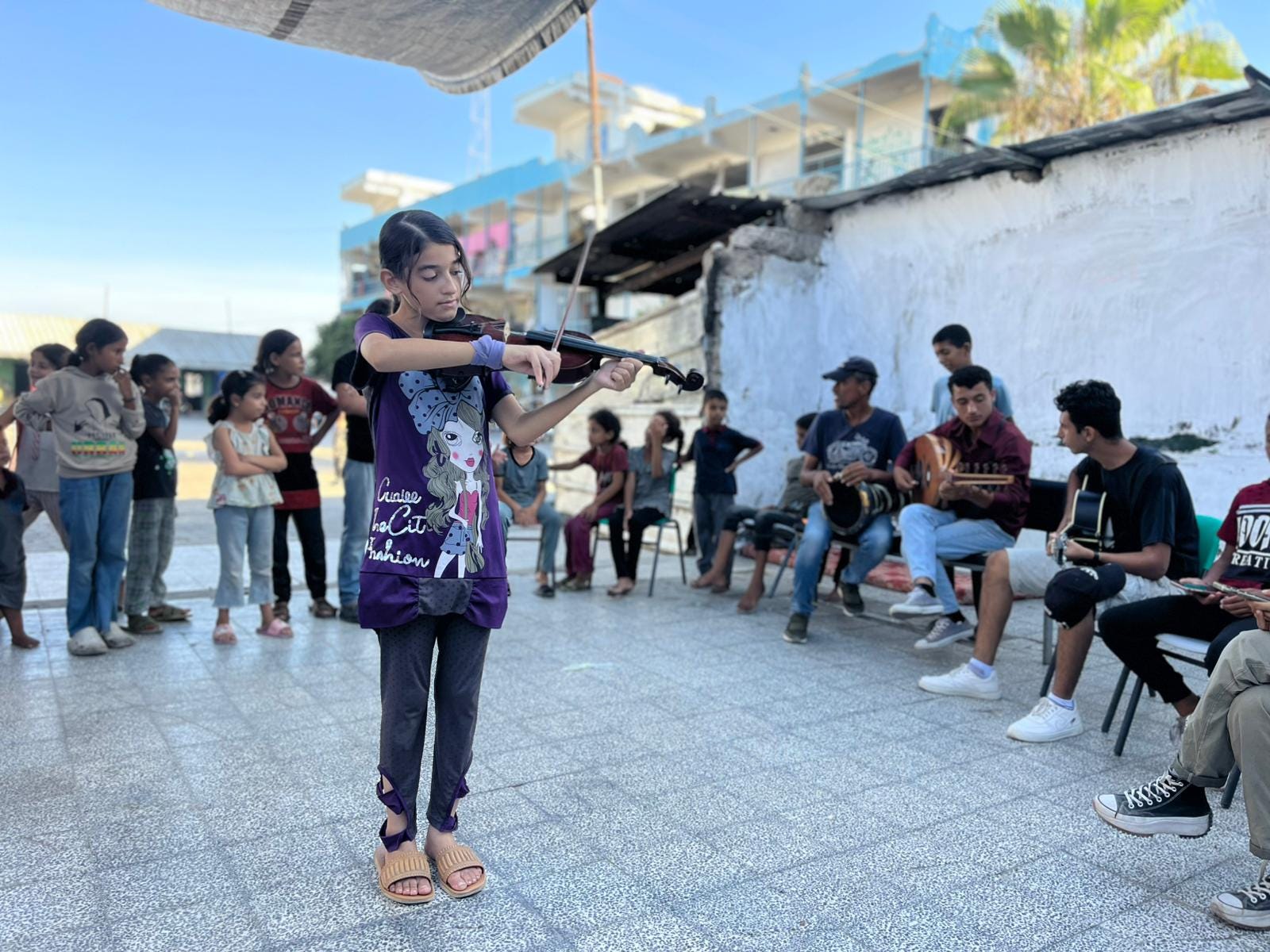
I remember a time when one house was in mourning and the house next door was celebrating, side by side. Once the funeral was over, my neighbours went straight to the wedding courtyard to share in the joy. To an outsider, this might seem almost inhuman. To us, it is the very definition of being human.
Gaza’s musicians compose from loss and rubble. Those who might have been destined for the world’s great stages are either gone, or find themselves on the sandy floors of tents. There, the sound of the Mediterranean bleeds into the roar of shelling, as a mournful string or a defiant rap cuts through the chaos. A haunting symphony, sealed off and contained, isolated from a world that has turned a deaf ear.
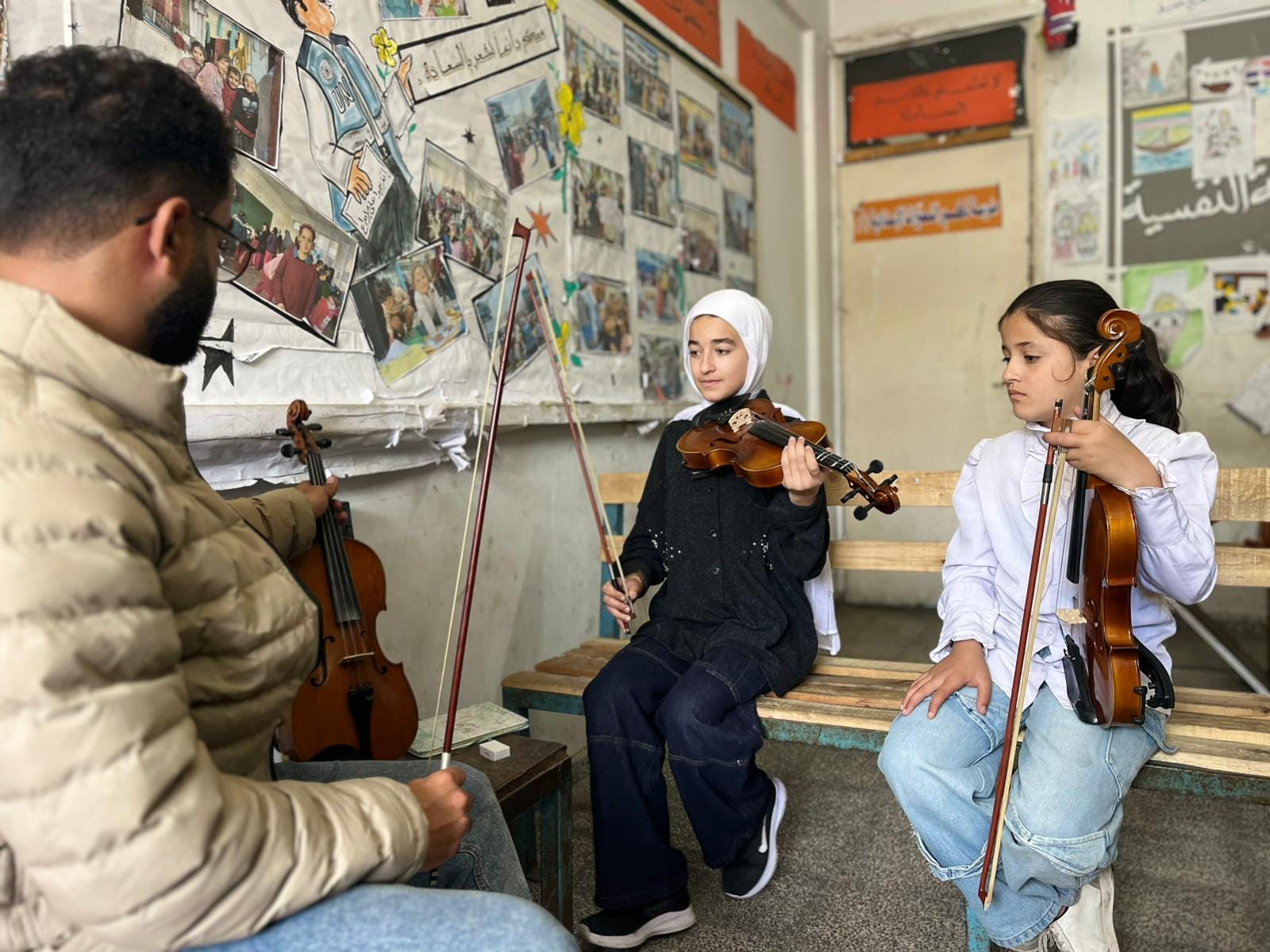
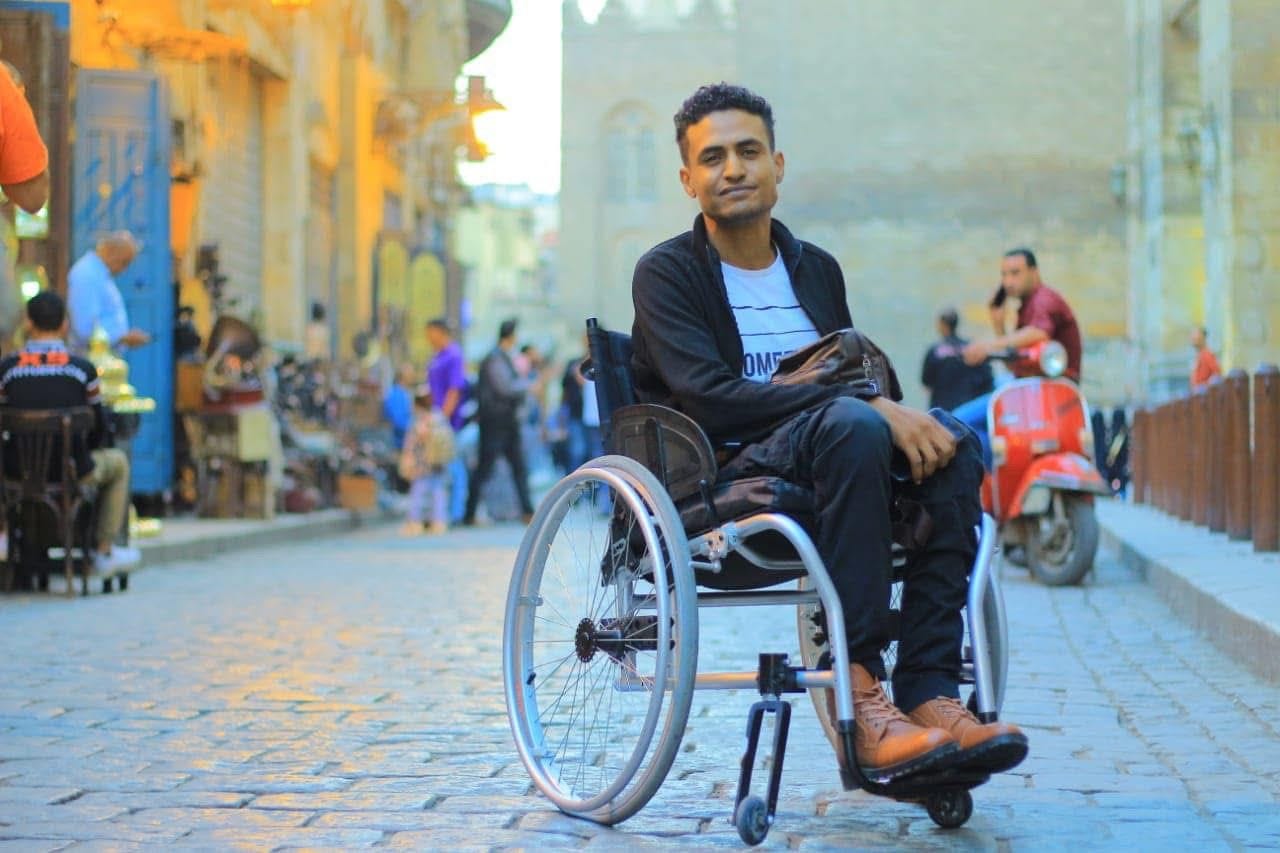
It is at this moment that the memory of my friend Sari Rabie comes knocking. I can see him clearly in the corridors of Al-Maqasid Hospital in Jerusalem. Years before the genocide, I was walking those halls myself, exhausted and worn down, when I found him sitting in his hospital bed, surrounded by machines.
The silence in the room made me stop. His mother sat beside the bed, her cheek resting in her hand, watching her son with a grief that had no bottom.
Sari himself was completely absorbed in a small notebook he held in his hands. A simple book with frayed edges, as if it had been carried through many hardships. He stared deep into its pages, as though searching for answers, or comfort, between the lines.
Drawn in by the scene, I stepped into the room. As we spoke, I kept glancing at the notebook. Sari noticed, and without hesitation handed it to me, letting me read.
     I am the soul’s purification from all
     impurities … I call upon those who
     are here and those who have left …
     I am the depth of thought and your
     lifeboat … I am the scales of justice
     in a world of perpetual imbalance.
He smiled and said: “I’m a rapper, and I’m going to be famous.”
As a child, he had decided to face the occupation’s jeeps with stones when they stormed northern Gaza. The response was a treacherous bullet to the back. It severed his spinal cord and left him paralysed for life.
But Sari, having lost the ability to walk, never lost the ability to fly. His poetry did not remain trapped in that small notebook. It took flight. He recorded tracks that pulsed with the textures of everyday life and the suffering of patients under blockade.
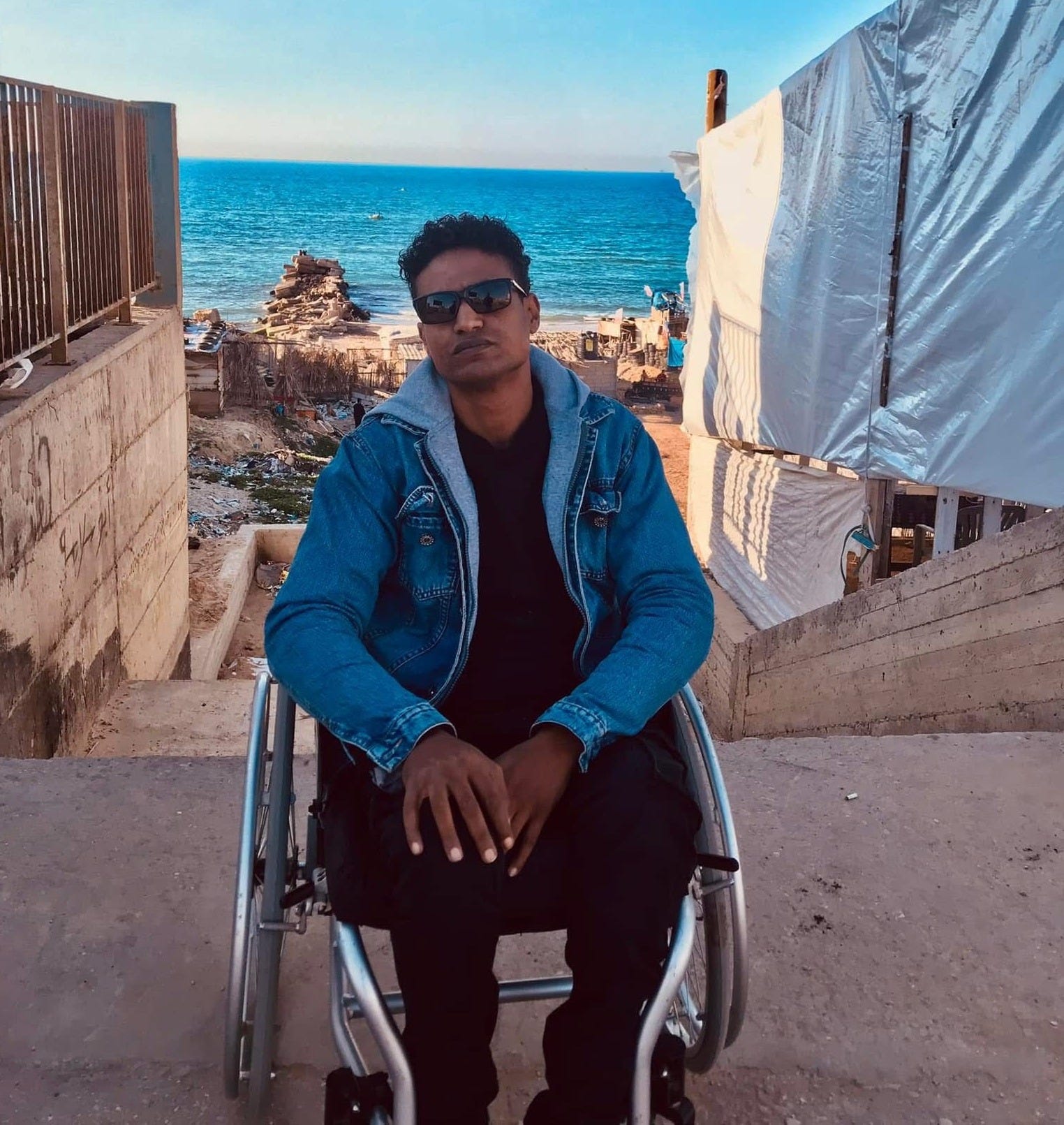
In his final years, he withdrew from daylight and found refuge in the night. He would stay awake until dawn, writing feverishly or talking with friends.
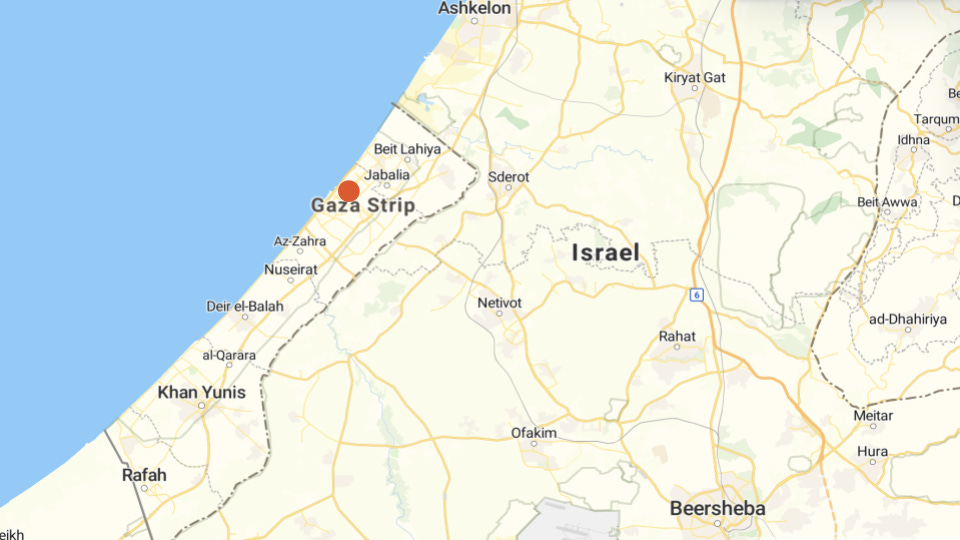
Sometimes we broke the isolation and went out into the streets of Al-Rimal. We would walk along Rimal Street, often with my children beside us, stopping for Gaza’s favourite treats: kunafa from Abu Saud, the city’s most famous place, or crisp falafel from Abu Talal. There, in the heart of Al-Rimal Park, we would suddenly burst into song. Minutes of pure freedom inside a confined existence.
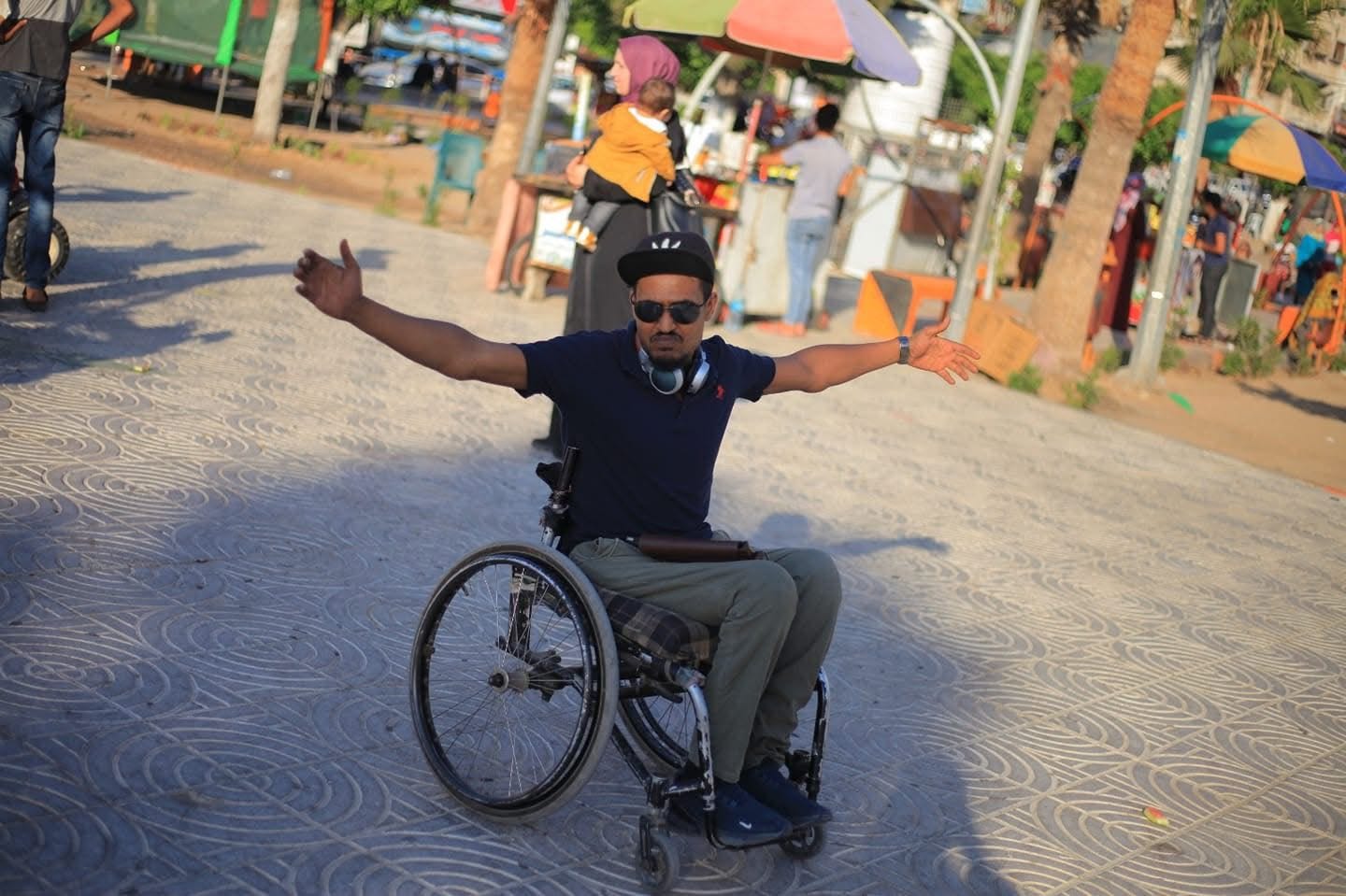
Sari carried an immense amount of pain, yet his face was almost always lit up. I remember one night when, shaking with laughter, he told me how he had decided to make himself a cup of tea from his wheelchair. He described having to climb the kitchen cabinets, inch by inch, just to reach the tea leaves and the sugar.
That was Sari. His life was a constant struggle, but he never let it steal his gift for finding humour in what he faced. His writings were about the heroic art of making tea in the middle of the night, and of singing out loud in a darkened city.

In 2023, Sari was diagnosed with cancer. Ten months later, he died, aged thirty-one. He sat waiting in our prison for medical care beyond Gaza’s locked gates, but when he was finally granted permission to travel to the United Arab Emirates, it was too late.
His body and soul had already been drained by the cycle of denied referrals, and Sari drew his final breath.
With him, the dream of the world’s stages died. But his words live on.
     I gather the stars of my sky and
     weave a sweater that only fits me.
In today’s refugee tents, there are hundreds of new “Saris”. They cling to instruments salvaged like miracles from the ruins, stretching strings of patience and turning what the rest of the world sees as rubbish into something that keeps the beat.
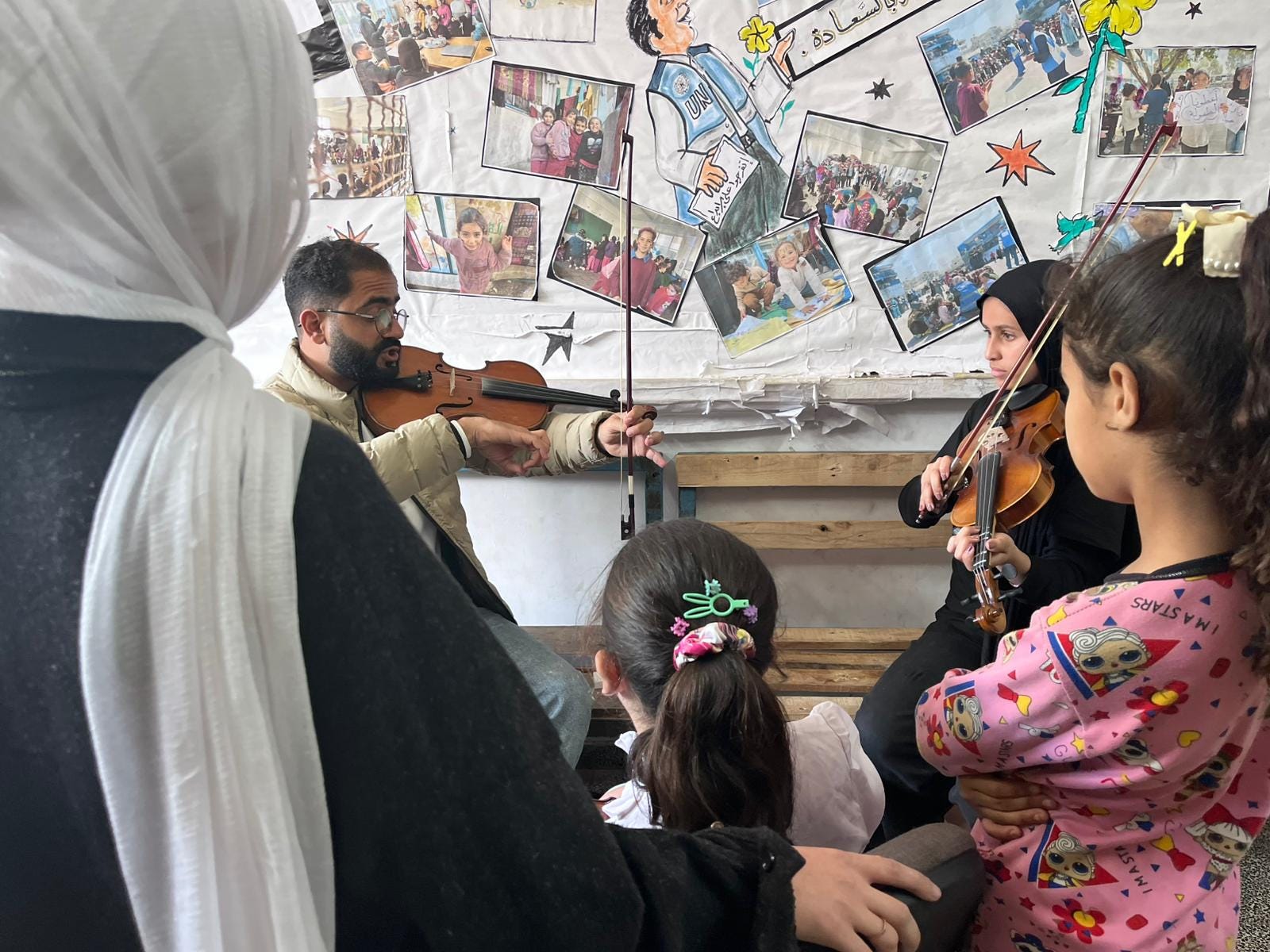
Basic artistic materials are classified by the occupation as “prohibited items”, under the pretext of “dual use”, or “luxury goods”. The restrictions extend even to the timber needed for instruments or stages, stripping musicians of their most basic means of expression.
In a corner of the Khan Yunis refugee camp, 77-year-old Eid Hammad has sat, for as long as I can remember, in a cramped room with cracked walls. He is a construction worker, but when the blockade stopped the supply of cement and forced building sites to a standstill, he exchanged concrete for whatever wood he could find, carving and sanding it until it found its voice.
He became one of the last people in Gaza to master the craft of making a true oud. The oud is the father of all instruments, our historical link to old Palestine, and a constant in a geography that is forever being torn apart.
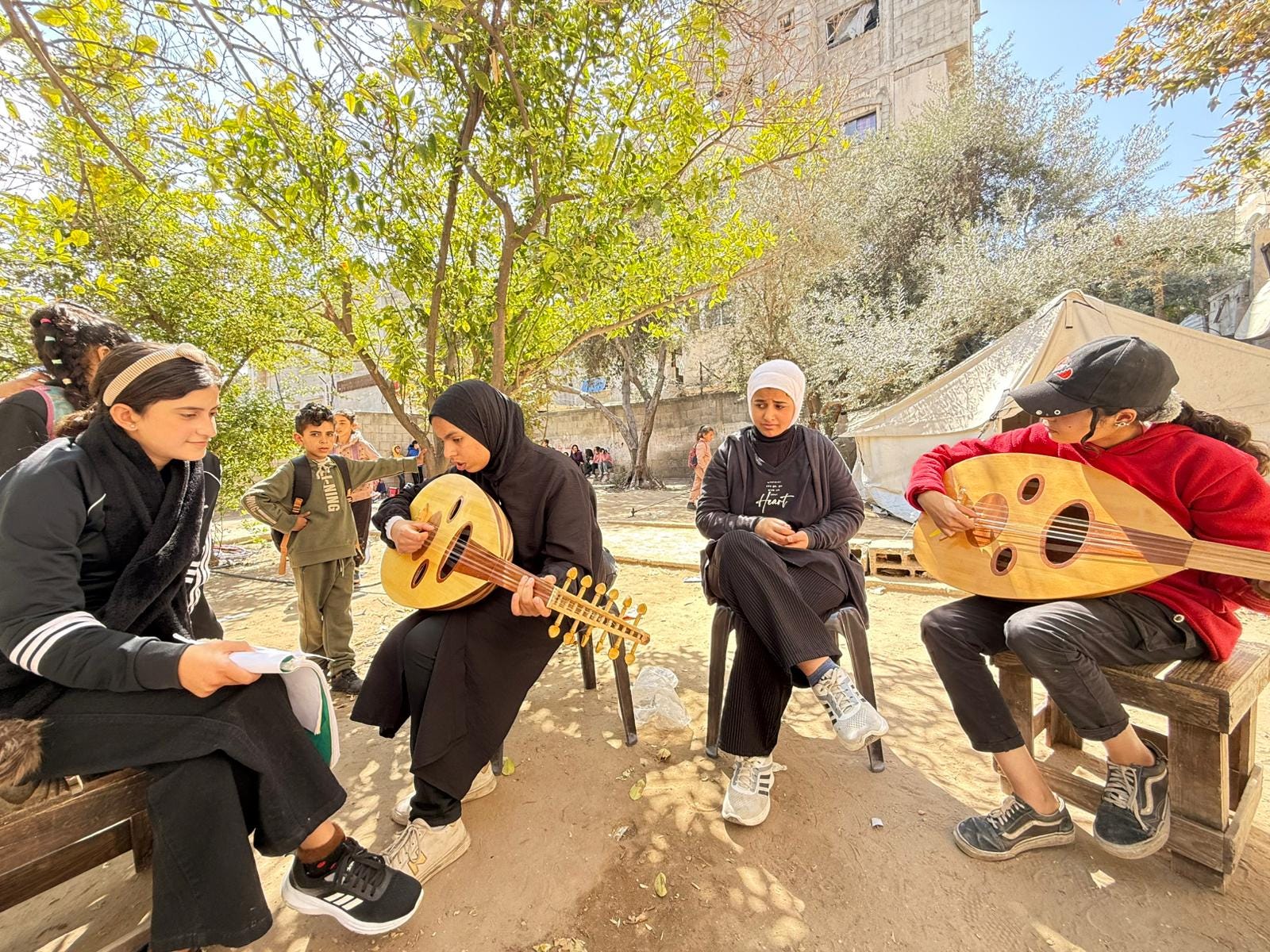
Eid Hammad struggles against the lack of materials to preserve a heritage that stretches from Nablus to Gaza City.
Every time an oud leaves his workshop, and its vibrations rise from the tent camps, it is a victory over the blockade. A reminder that in every ruin, a creator will emerge.
The music of Gaza remains a legend of beauty born from the ugliest suffering.
Art is our final refuge, our way of not losing ourselves to madness. We practise in the midst of death, because art is our last sanctuary, our way of holding on to sanity.
When the wars rage at their worst, and the sound of fighter jets and missiles shakes the ground, melodies become an invisible wall against terror.
I think of my children’s grandmother, who, like Sari, kept a notebook. Hers was filled with lullabies.
When the occupation’s jets broke the sound barrier with a boom so violent it felt as though it would shatter the children’s eardrums, she gathered them close. In the middle of the deafening roar, which caused physical pain in their small ears, she began to sing.
She made them join in, repeating every line after her. Their young voices became a counterweight to the explosions, a way to drown fear with rhythm.
Teaching one’s grandchildren music is an act of the deepest care. It is giving them an inner sanctuary where the darkness cannot reach.
Like the words in Sari’s notebook: “I am the depth of thought and your lifeboat …”
When the land, the air and the sea are under blockade, the inner self is the only place from which freedom can begin.
We sing because our voices are the boats that carry us from a brutal reality to a place where we are allowed to be.
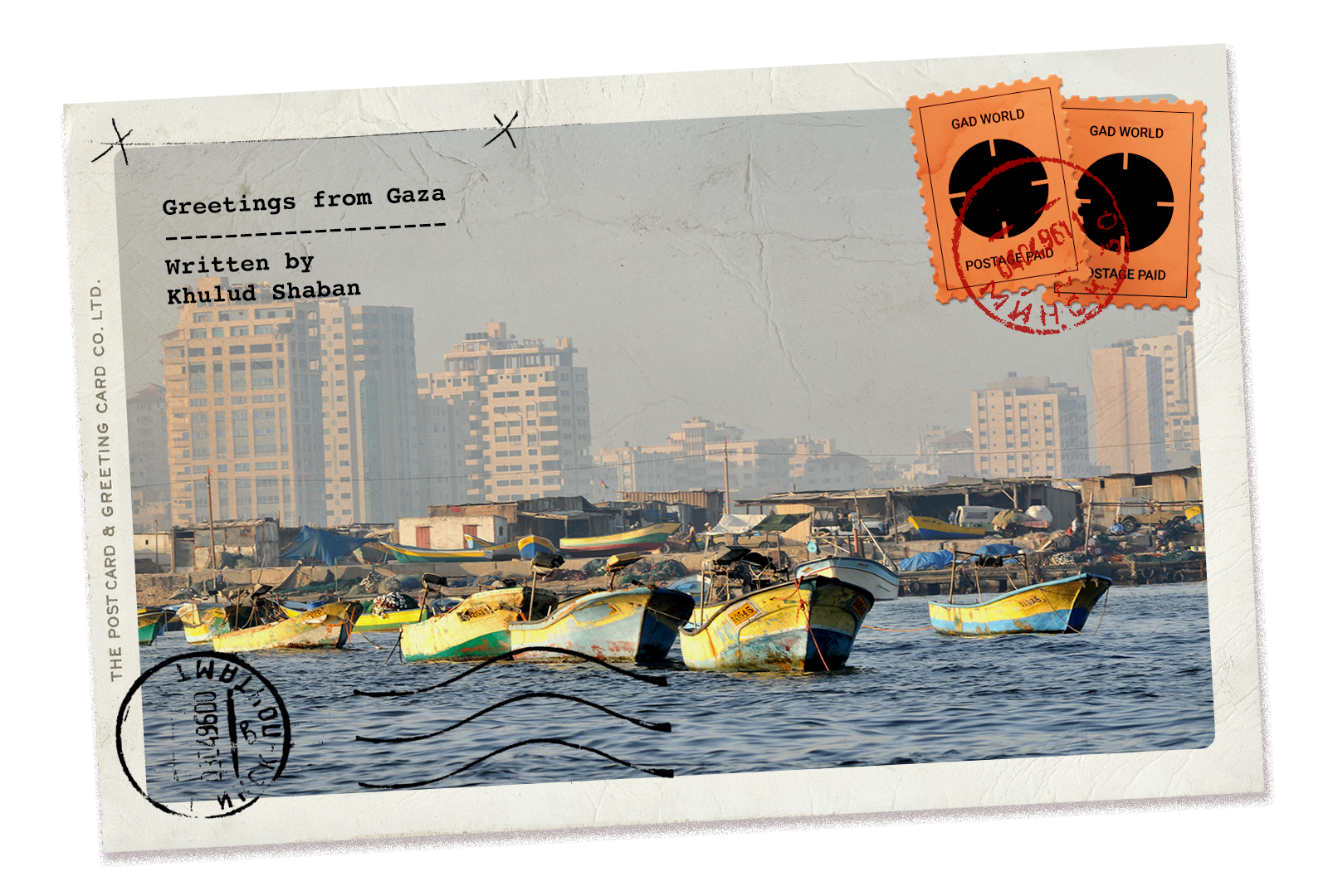
Postcards from Gaza
Khulud Shaban is a Palestinian journalist, born in Gaza in 1980, writing from exile.
Life. This series of personal stories is about how people once lived here – about the everyday life and the places that carried them. The culture, the food, the laughter, and everything they loved. A society forced to suffer and die. Survivors who remember what was with love and pain.
Death. The Hamas-led attack on Israel on October 7, 2023, killed 1,195 people, including 815 civilians and 36 children, according to AFP. Since then, Israel has killed over 72,587 people in Gaza and injured over 172,381, according to Gaza health authorities.
Children. Over 64,000 children have been killed or injured, over 56,000 have lost one or both parents, and between 3,000 and 4,000 have undergone one or more amputations, according to UNICEF.
Displaced. Approximately 90 percent of Gaza’s population has been forced to flee, many of them repeatedly, according to the UN.
Infrastructure. Large parts of Gaza’s housing, hospitals, schools, culture, crops, and historical and religious sites have been damaged or destroyed, according to the UN.
Read the next postcard:

The silenced musicians of Gaza
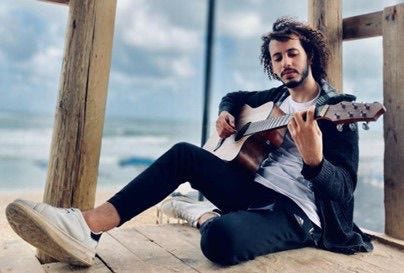
Yousef Dawwas: The guitarist and the writer
Yousef was a gifted guitarist and a leading voice in the We Are Not Numbers initiative. Through his music and his writing, such as Who pays the price for the twenty years we have lost?, he sought to reveal the human being behind the statistics. He was killed on 14 October 2023 in an airstrike on his home in northern Gaza, along with several members of his family.
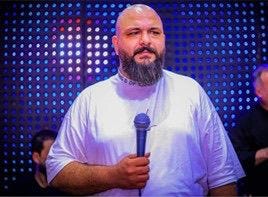
Mohammad Al-Jubeiri: The Voice of Joy
Known as ‘Al-Nabatawi’, Mohammad was a symbol of celebration and folk culture. He spread joy at weddings with his traditional songs. On 16 October 2023, during his forced displacement from northern Gaza, he was killed in an airstrike along a route that had been described as a safe corridor.
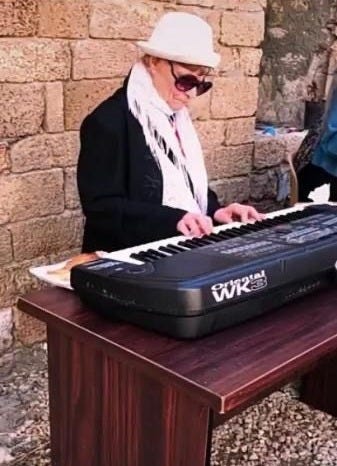
Elham Farah: The Music Teacher Who Refused to Leave
The 80-year-old music teacher Elham Farah spent her life teaching children to play the piano and the violin. She chose to remain in her home. On 13 November 2023, she was shot by Israeli snipers near the Al-Shifa Hospital. She bled to death in the street as the siege prevented ambulances from reaching her.
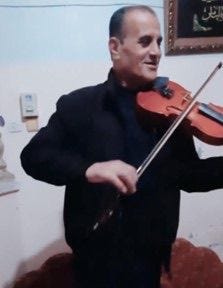
Kamal Dweik: The Violin of Freedom
Kamal was one of Gaza’s leading violinists. He refused to leave his home in Beit Lahia as a form of silent resistance. After his home had been destroyed by tanks, he was killed in a drone strike on 29 November 2023, while returning to tend to his belongings.

Lubna Mahmoud Alian: An Unfinished Dream
Only 14 years old, Lubna was a promising violinist at the Edward Said National Conservatory. She dreamed of representing Palestine in international orchestras. On 21 November 2023, she and her entire family were killed in an airstrike on their place of refuge in Al-Nuseirat.
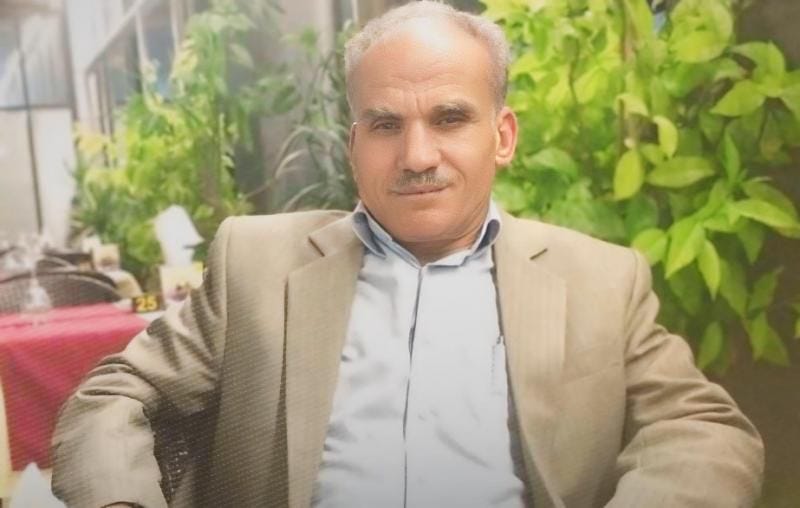
Mahmoud Murad Saqallah: Between Craft and Melody
Mahmoud was a successful businessman, but also a passionate composer and poet. He wrote songs about his homeland and the love of life. On 23 November 2023, he was killed in an attack on the Al-Rimal district, where he had sought shelter.
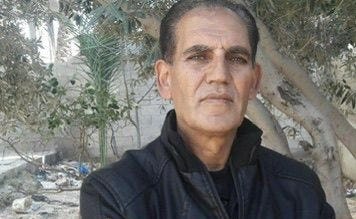
Mohammad Abu Naji: The Oud Player in the School
For Mohammad, the oud was a way of telling the story of Gaza’s hope. He sought refuge in an UNRWA school in Beit Lahia, but even there he was not safe. On 9 December 2023, he was shot dead by a sniper inside the school, in the midst of fleeing civilians.
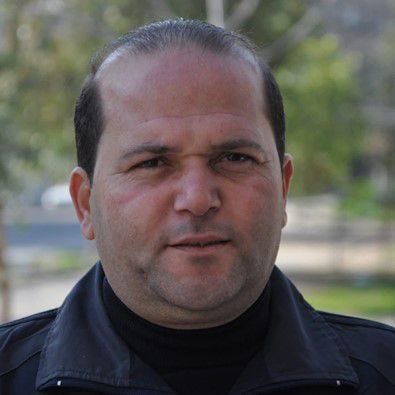
Akram Al-Ajla: The Percussionist Silenced by the Blockade
Akram was a talented percussionist who blended tradition with modernity. His death in late November 2023 at the Al-Shifa Hospital was a direct result of the severe blockade, which cut off access to life-saving medicines and equipment.
Source: Palestine Studies