



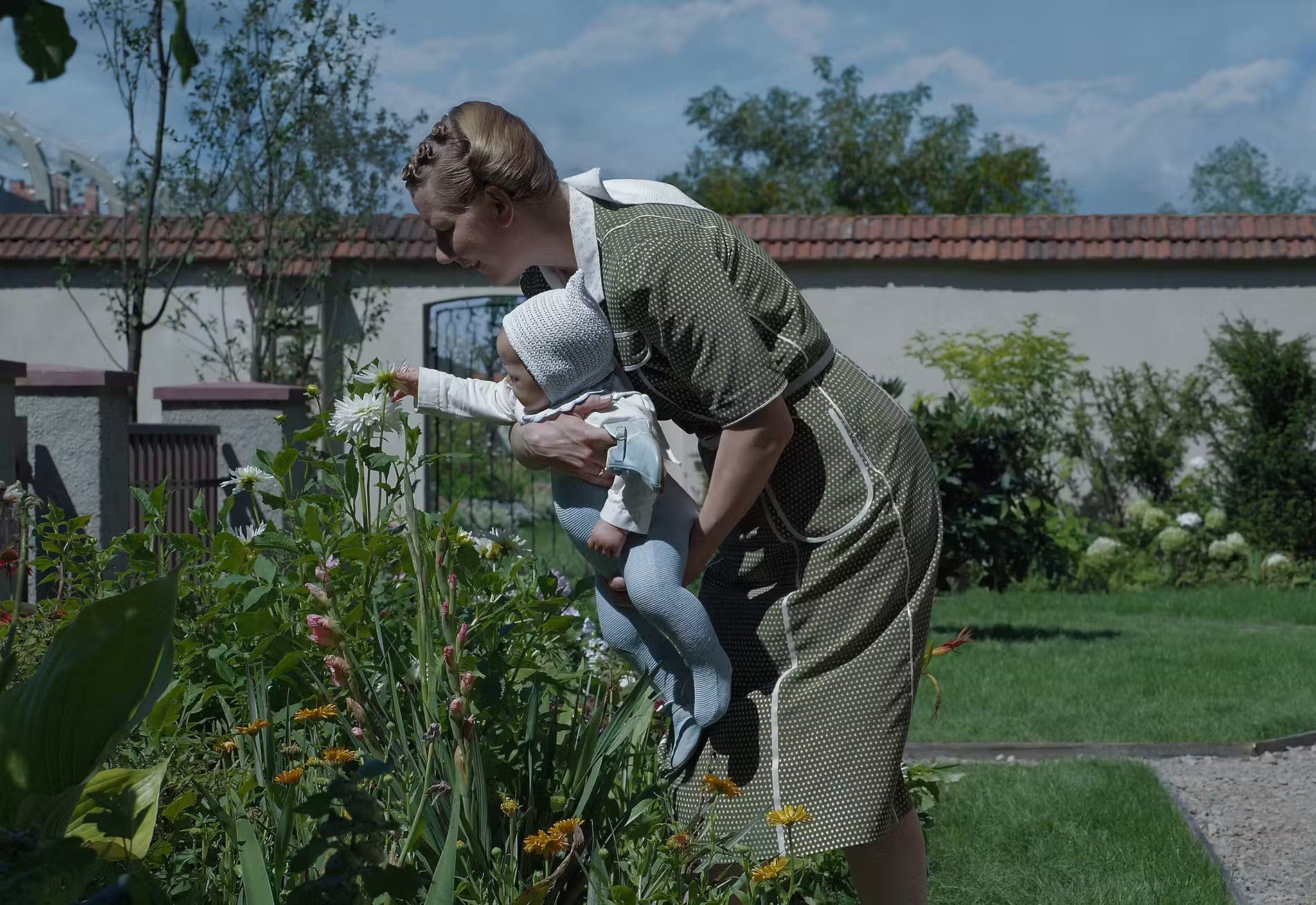
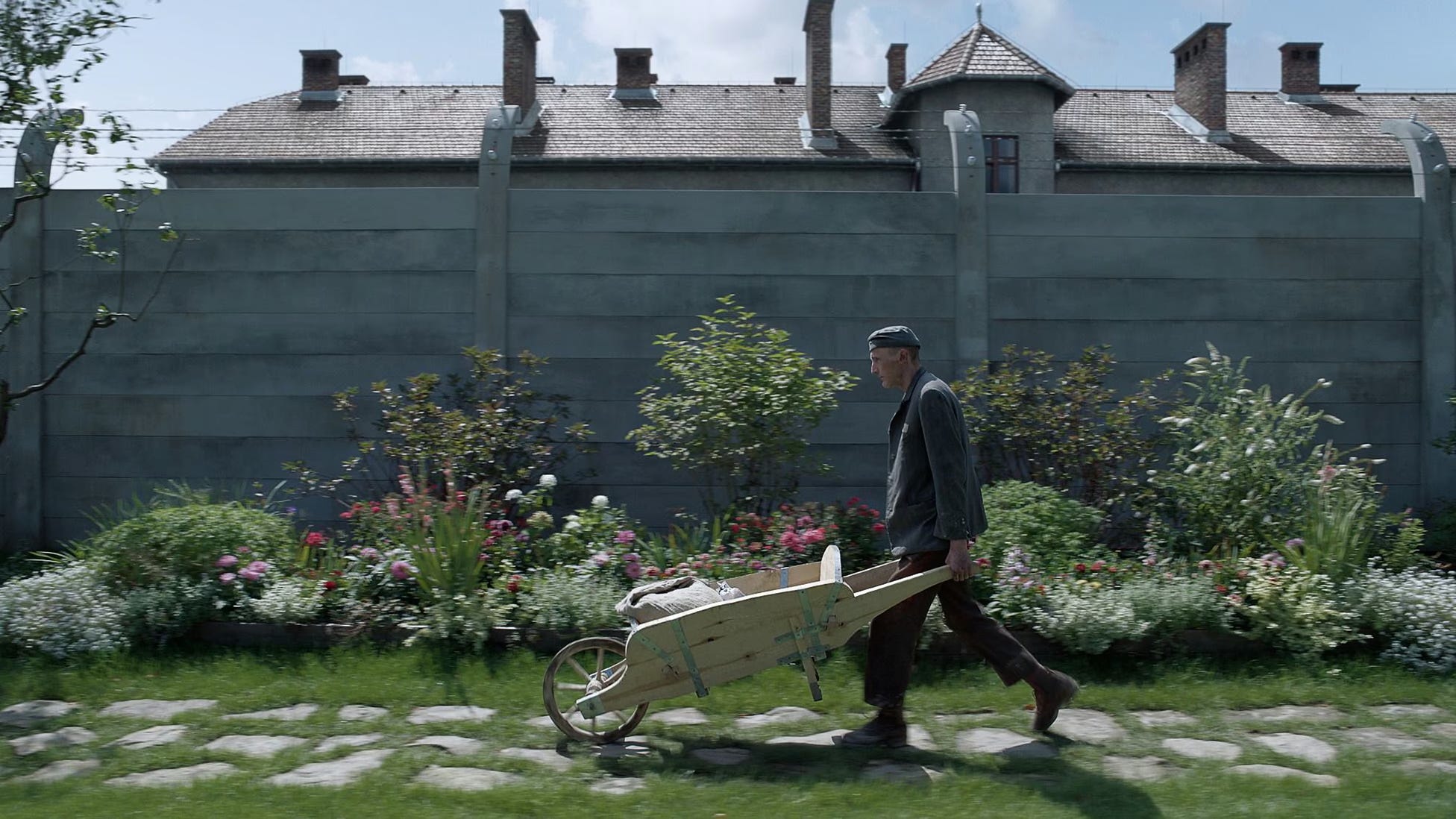
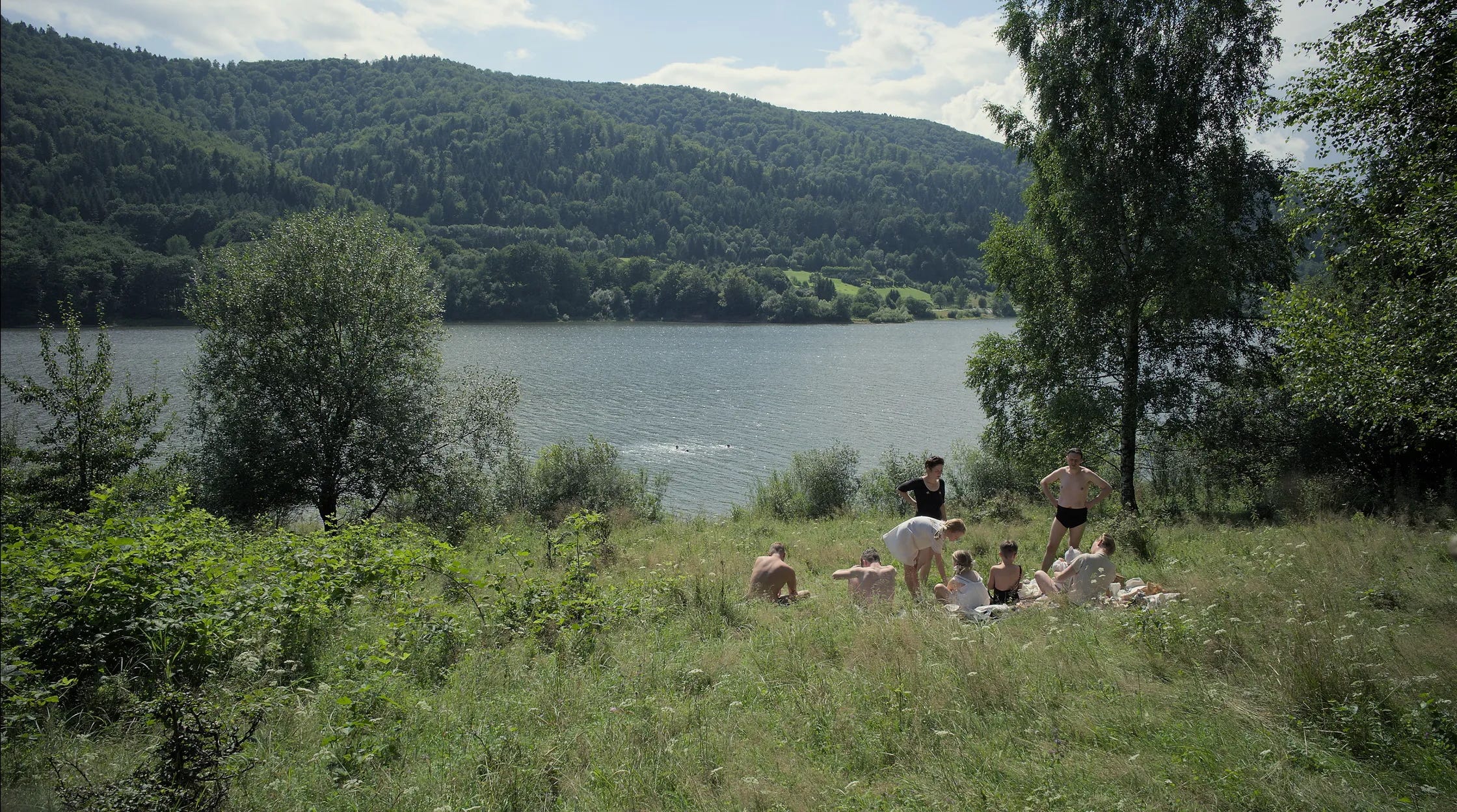
In The Zone of Interest (2023), the Nazi commandant Rudolf Höss lives a comfortable domestic life in a villa with an idyllic garden in the Polish countryside, right next to the wall of Auschwitz. His wife, Hedwig, walks among the flowerbeds with a baby on her hip, smelling the flowers. There are roses, pumpkins and beehives.
When her mother visits, she shows her the hand-painted wallpaper. In the kitchen, the servants bake cinnamon buns and apple strudel. The family paddles kayaks in the same river where ash and bone fragments drift past. They see the smoke from the ovens and hear the sounds from the other side of the wall, but they do not let it disturb their everyday life.
Life goes on as usual, even though they live next door to the Holocaust.
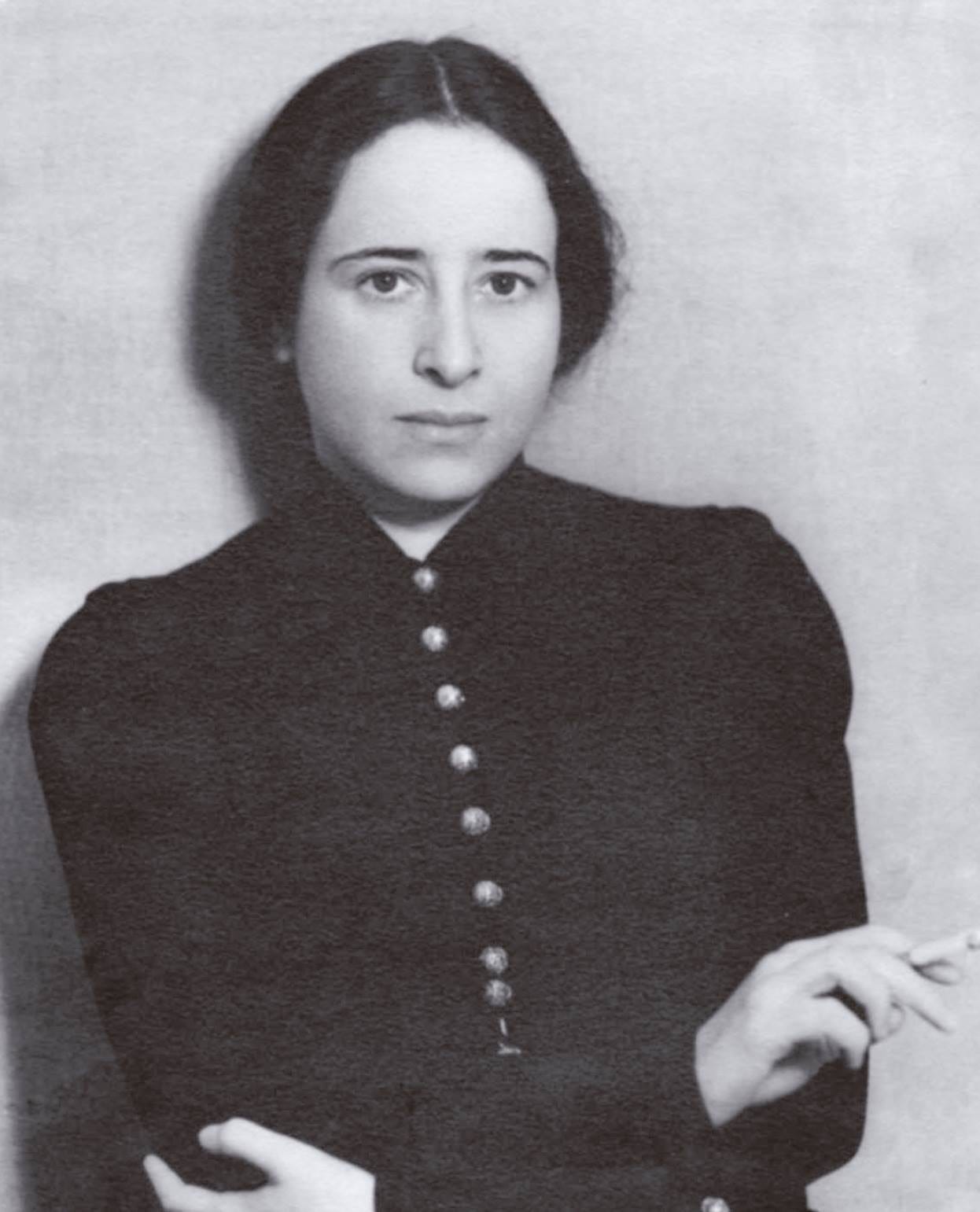
The film is based on reality. The political thinker Hannah Arendt called this the banality of evil. She did not mean that evil is small, but that evil can be ordinary. People continue with their routines and careers, without resisting and without thinking morally.
Arendt was writing about the Nazi bureaucrat Eichmann and his trial after the Holocaust, but the concept has endured because it gives language to something universal.
How we can adapt to the gravest crime.
In our society, we do not need to live beside a wall or a fence to hear the screams and see the smoke during a genocide. In Gaza, the horror can be followed live on social media. Gaza is not the Holocaust, but the principle of the banality of evil is the same.
We see a constant stream of children’s bodies, blood, ash. And still, for most people, life goes on as usual. To speak out can mean risking a career or social standing, losing commissions, no longer being invited into certain rooms.

In October 2025, a new form of front-row view of an ongoing genocide emerged. This time, researchers at the Yale Humanitarian Research Lab, Yale HRL, were following acts of genocide in the Sudanese city of al-Fashir in real time – from space.
When al-Fashir fell to the paramilitary Rapid Support Forces, RSF, the researchers saw blood on satellite images for the first time. During that period, the killing moved much faster than in Gaza.
By studying the images, they could see how the bodies of those killed were being cleared away. They counted 150 piles of corpses and saw bodies being burned. RSF was destroying evidence of its war crimes. What could have led to prosecutions went up in smoke.
Yale HRL responded by repeatedly publishing warnings about the massacres on its social media channels.
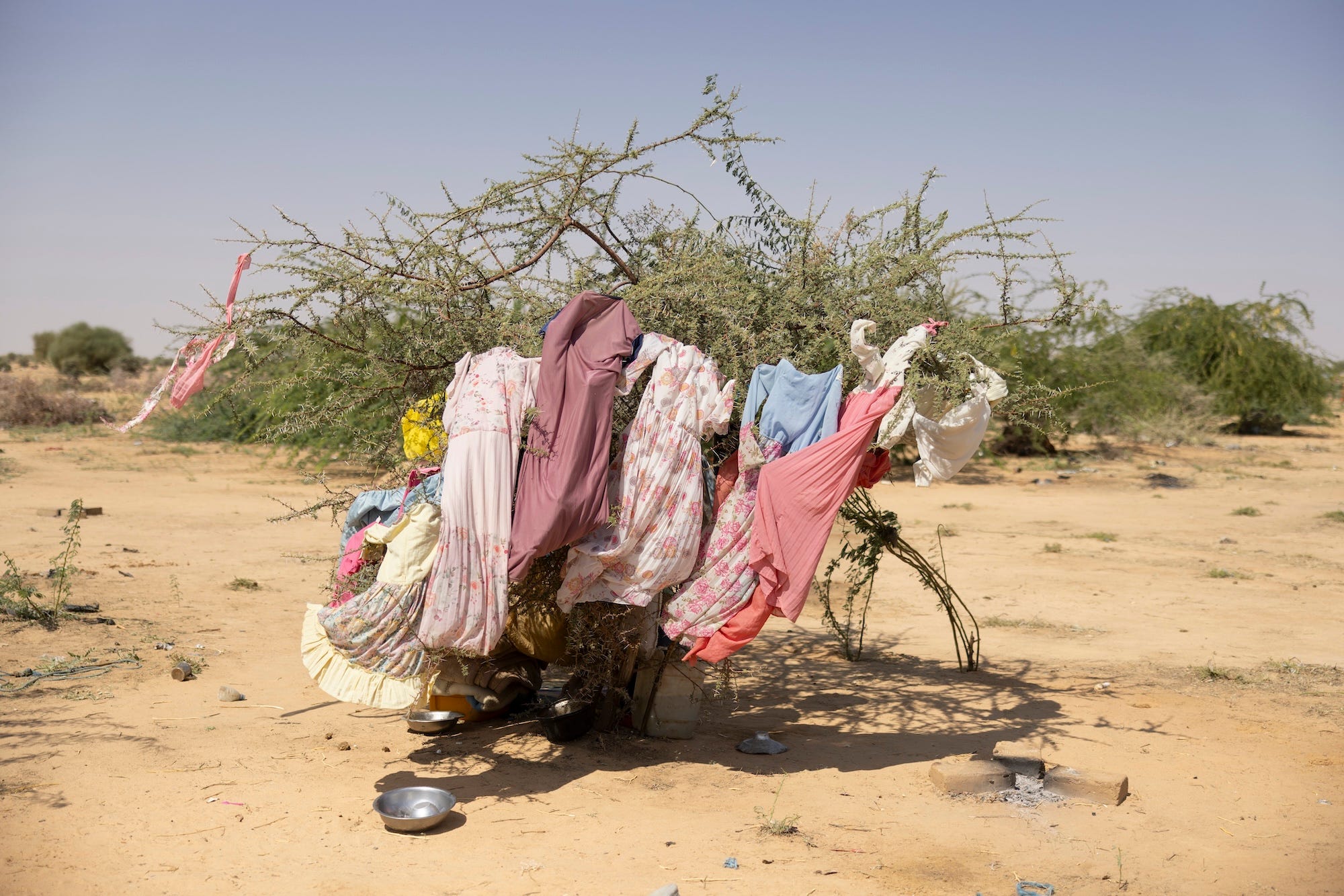
Around 260,000 people were in al-Fashir when the city fell. Tens of thousands are still missing. Some estimates put the number of missing at up to 150,000. More than 6,000 people were killed in the first three days after the city was taken, according to the UN OHCHR, but reliable overall figures are not available because independent investigators have not been granted full access to the area. A higher, uncertain estimate suggests that at least 60,000 people may have been killed within three weeks.
That is the equivalent of everyone in the municipality of Falun, Sweden being killed and everyone in the municipality of Sundsvall, Sweden disappearing between two paydays. And yet al-Fashir was barely given space in the news flow. Days could pass without it being mentioned in the media at all.
Perhaps, in the future, there will also be a film about this. About how a small group of researchers saw it from space, while people on earth closed their eyes. Like the Höss family on the other side of the wall.
Perhaps, one day, there will be a film about this too. About how a small group of researchers saw it from space, while people on earth closed their eyes. Like the Höss family on the other side of the wall.
How tightly we shut our eyes is not determined by how many people are killed, or by the scale of the catastrophe. According to research on news values and international news flows, it is determined by proximity, power and recognition.
Which places newsrooms cover. Which wars politicians talk about. Which people we have learned to feel for.
Ukraine is in Europe. Gaza has for decades been central to world politics and public consciousness. Sudan is outside. Few people can place the country on a map. Fewer still recognise the names of its cities. Almost no one sees themselves there. And then silence becomes easier.
That is also why warnings of genocide can be issued for months, even years, without producing a response.
Before Sudan’s civil war broke out in April 2023, al-Fashir had around 1.5 million inhabitants and a further 800,000 internally displaced people. During the war, the city became the last major stronghold in Darfur not controlled by RSF, which is fighting the government army, SAF.
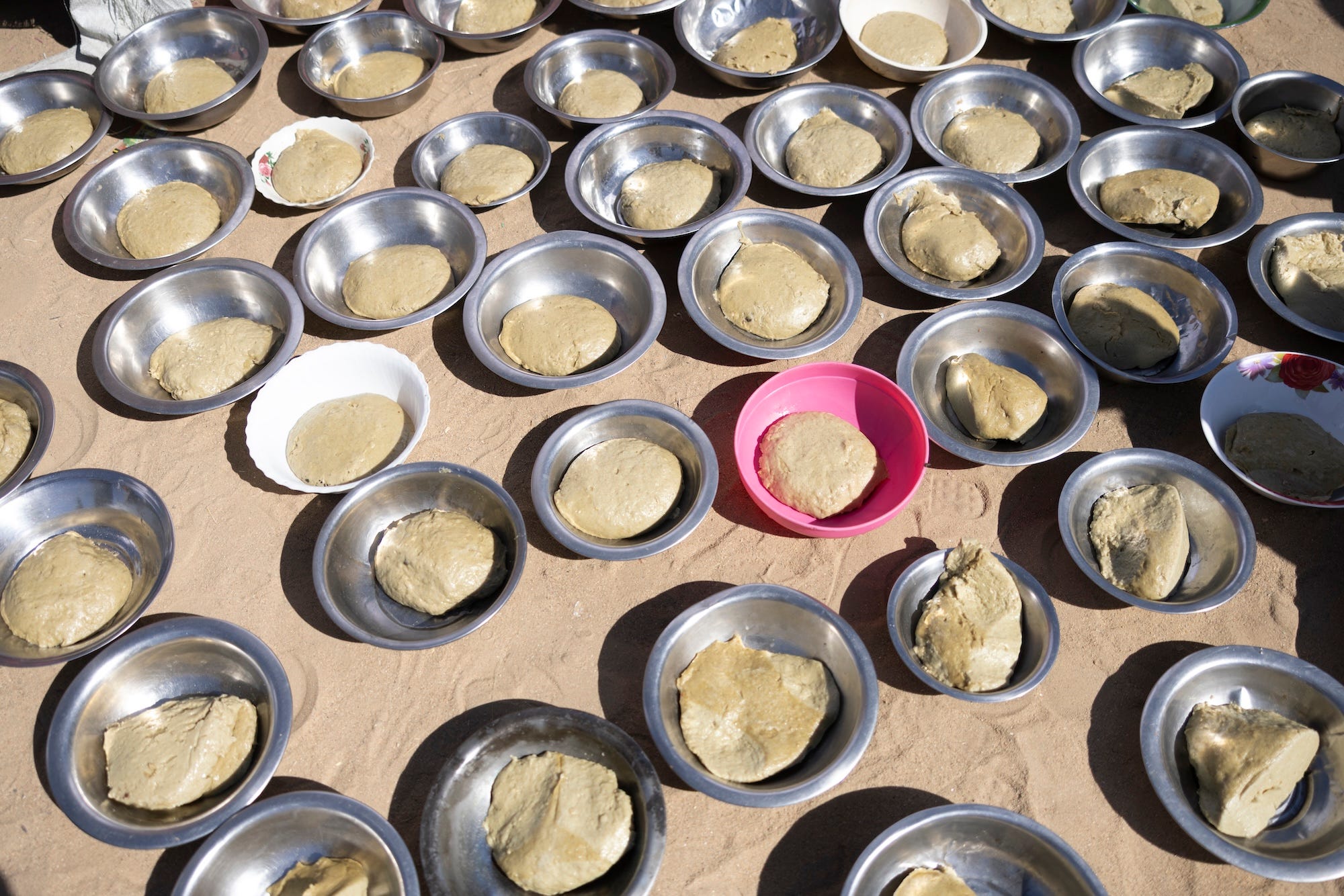
While SAF held the city, RSF besieged it and dug earth berms around it. It was an unusually long siege, lasting 18 months. People were forced to survive on animal fodder, leaves, refuse. Those who did not starve risked being killed in indiscriminate attacks.
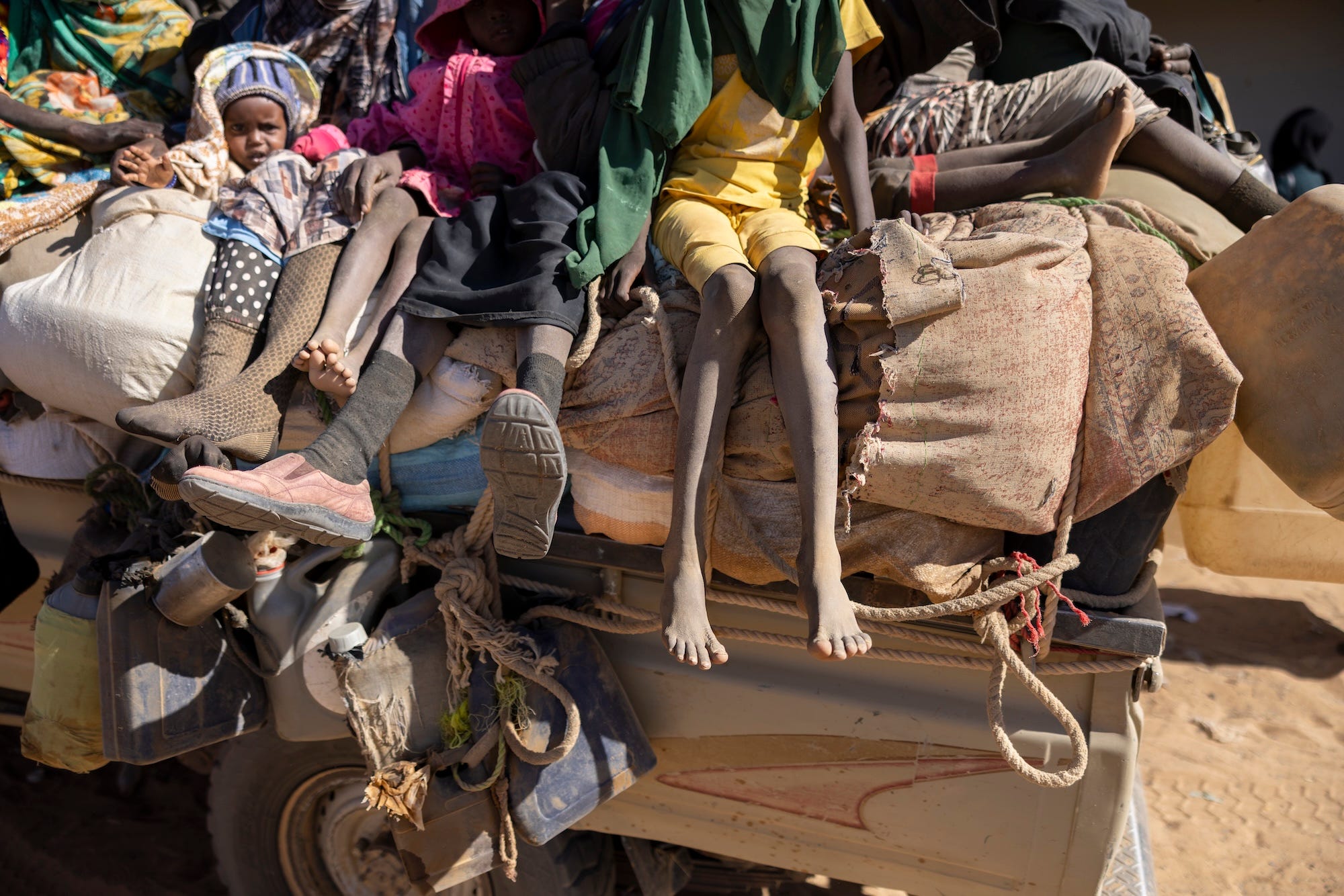
The warnings of what would happen if RSF took the city came long before it fell in October 2025. As early as spring 2024, the UN warned that hundreds of thousands of civilians in al-Fashir were in acute danger. The ICC prosecutor said at the time that suspected war crimes and crimes against humanity were already being committed in the city. The world also knew what had happened in other cities in the region, such as el-Geneina, where the Arab-dominated RSF entered and ethnically cleansed non-Arabs. Al-Fashir was home to precisely those groups.
It was not, then, that the world did not know. It knew. It received warnings and reports. When the massacres were then carried out, the world also received satellite images and the alerts from Yale HRL. The UN human rights chief, Volker Türk, later stated that the human catastrophe in al-Fashir had been foreseen and could have been prevented.
But, as in history’s darkest hours, it was not enough.
When it was all over, the head of Yale HRL, Nathaniel Raymond, described al-Fashir as eerily empty. Markets that had once been full of life were so deserted that they had begun to grow over. As if the people had been cleared out so efficiently that nature had begun to reclaim the city.
The survivors who managed to escape over the earth berms and through the desert have described what the satellite images did not show. The mass executions. How they hid beneath corpses. The humiliation, the torture, and the many checkpoints where people were taken away. The beheadings, the gang rapes and the rape of children.
The power of The Zone of Interest lies in the fact that the film does not centre the violence itself, but the normalisation around it. It shows how the worst can happen while everyday life continues.
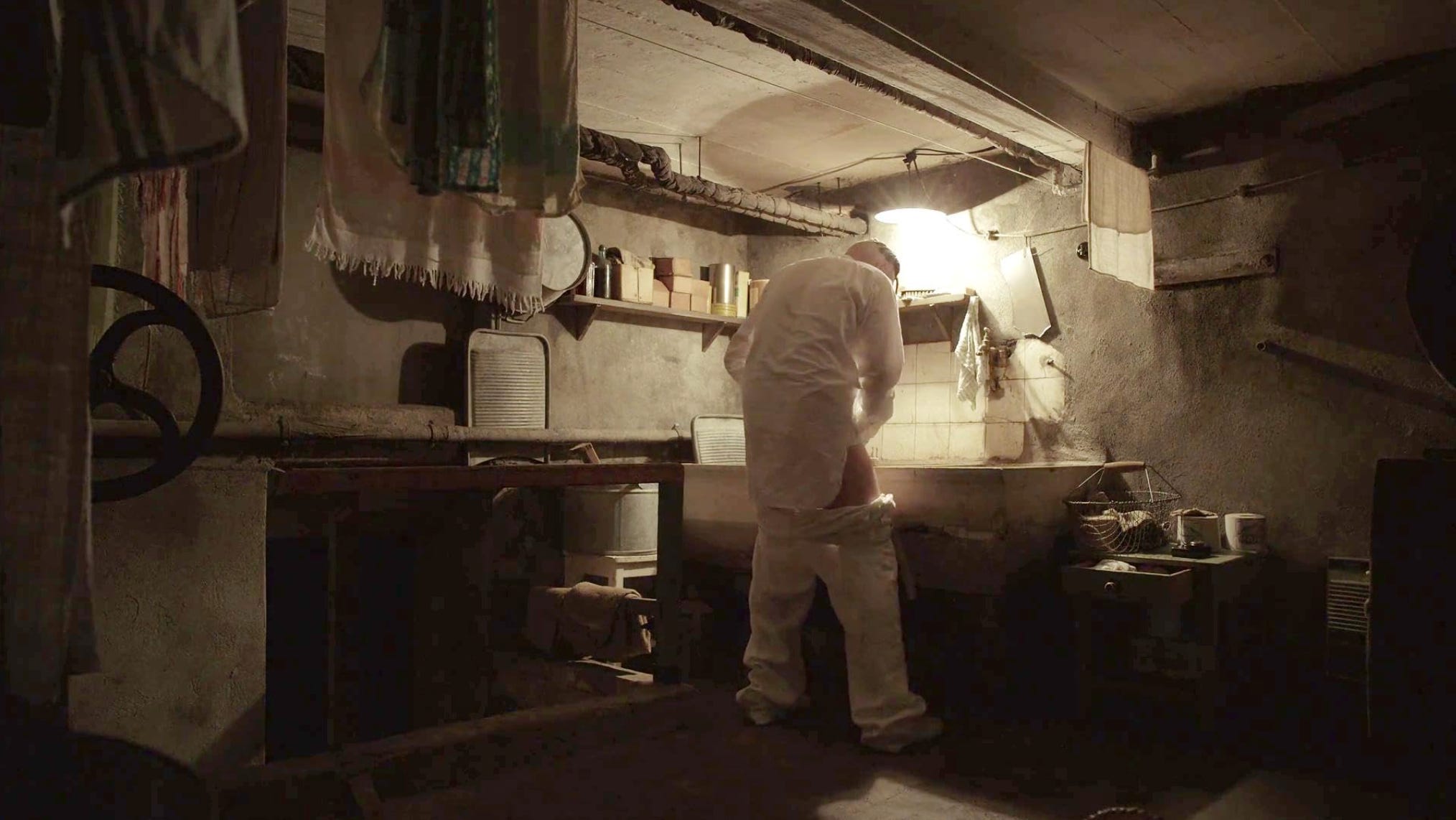
In one scene, a red-haired woman is brought into Rudolf Höss’s office. What happens to her is not shown. Afterwards, Höss walks home through a tunnel and washes himself in the cellar. Pulls down his trousers and washes his crotch. Then he goes back upstairs to his family.
Now Volker Türk has warned that what happened in al-Fashir could be repeated in Kordofan, the region bordering Darfur to the east.
The warnings are there again.
The question is whether we do anything with them this time. Or whether we continue everyday life.
As usual.
Read more about Sudan:
