



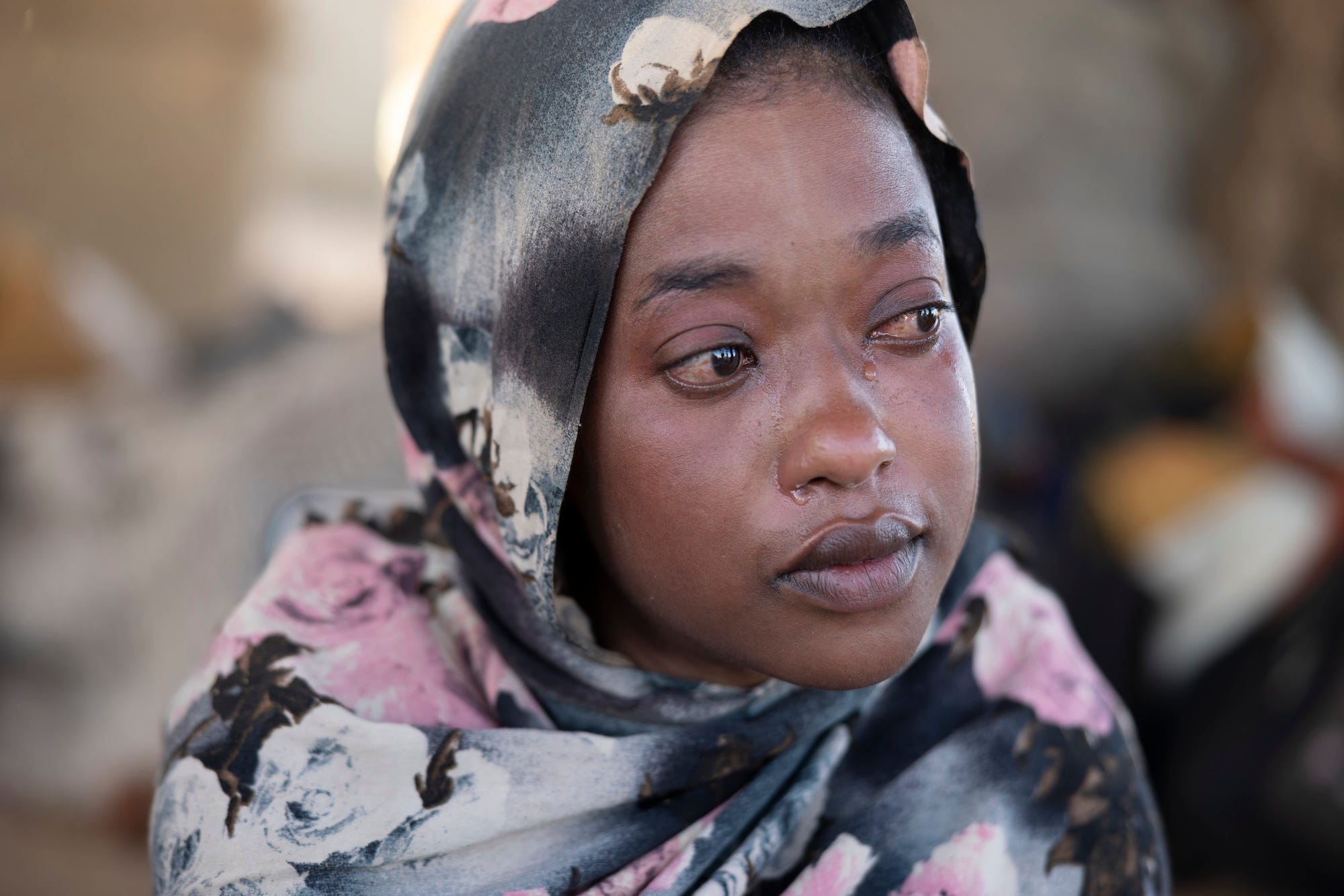
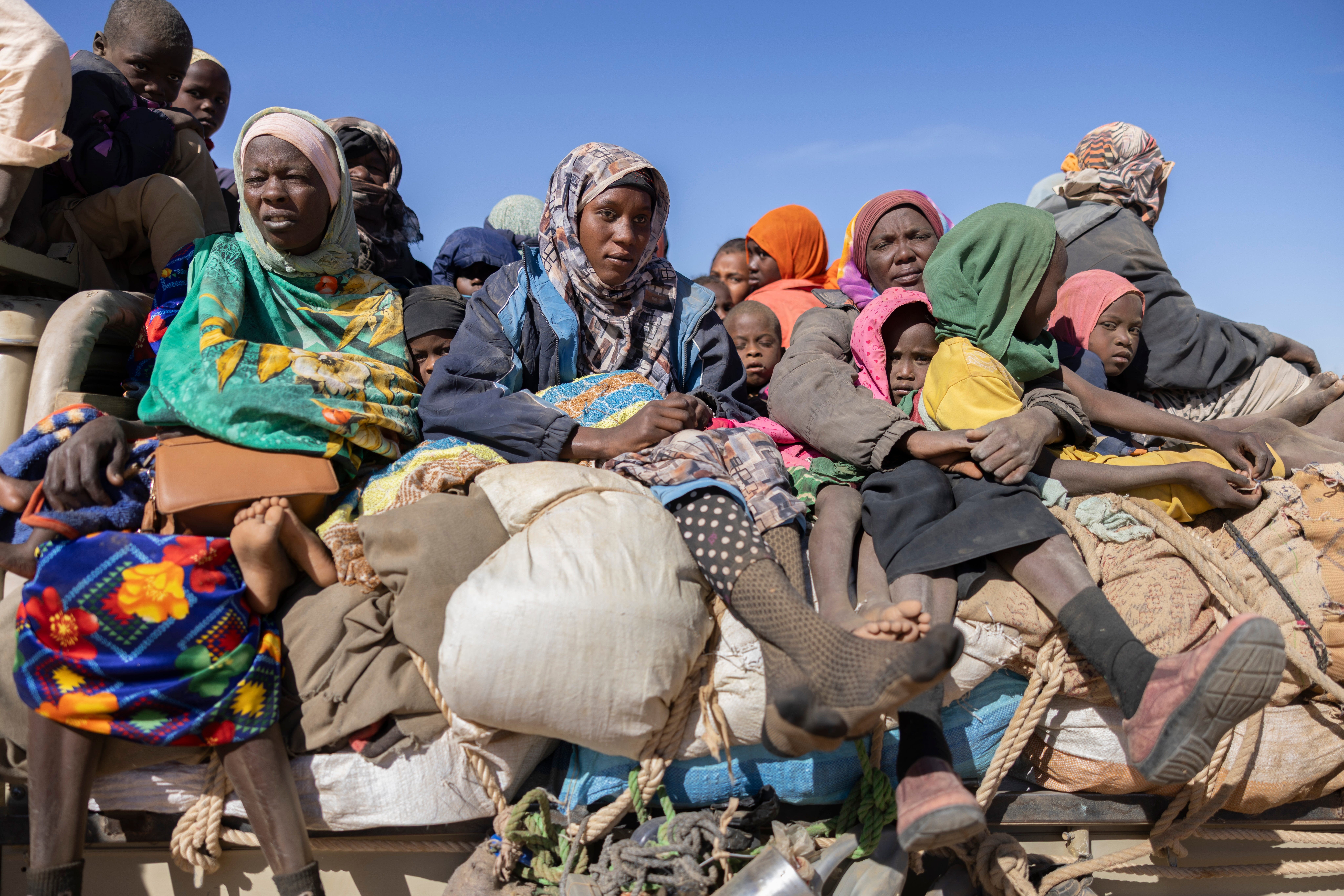
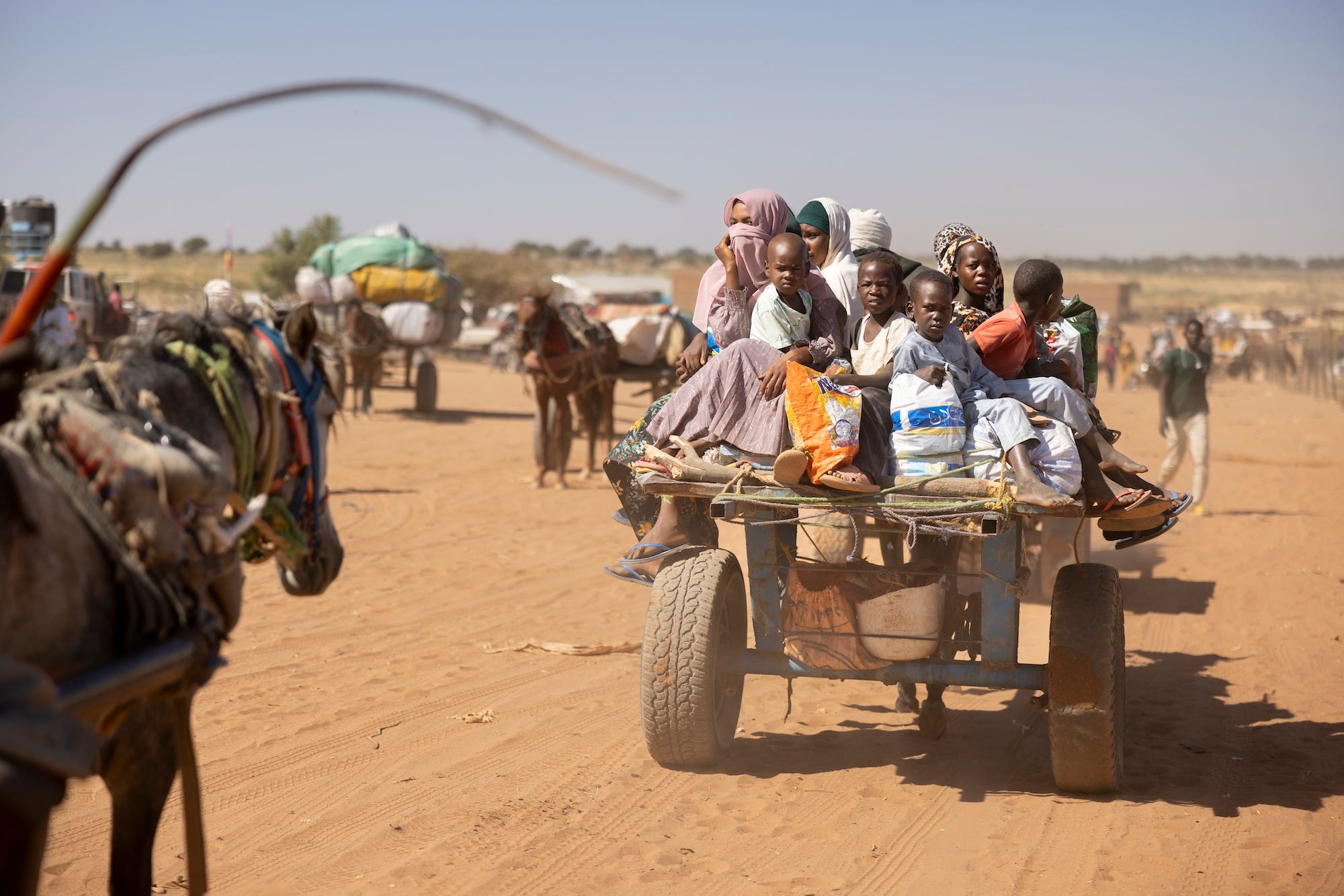
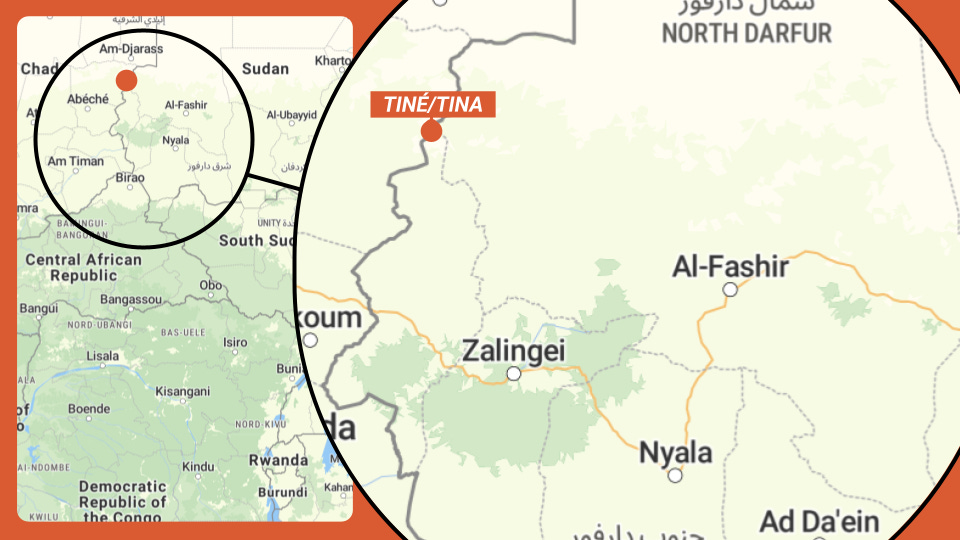
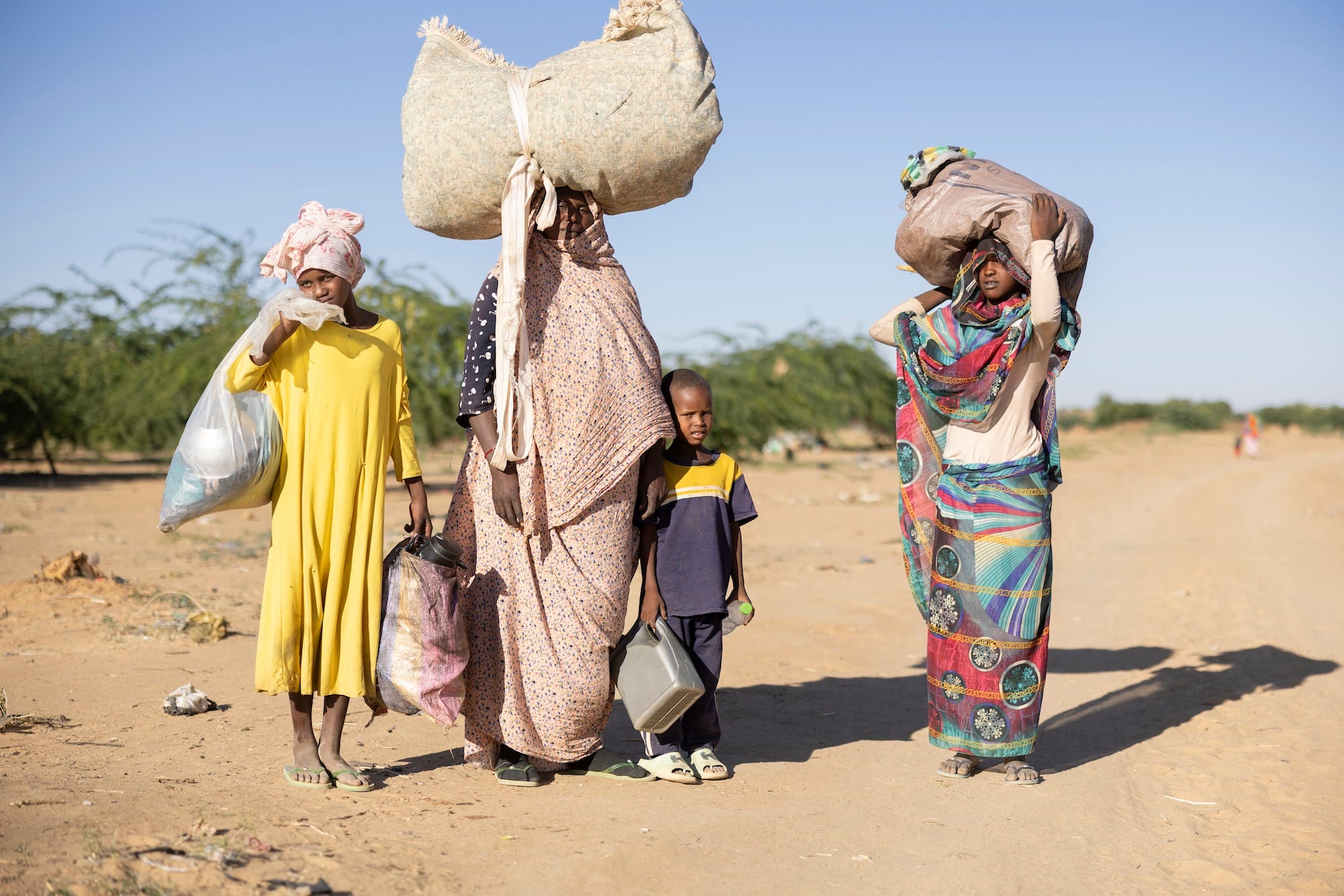
The yellow-brown sand thickens the morning air, already hot. As the sun rises and cuts through the dust, everything turns into a floating haze. A deceptively beautiful horizon in the middle of horror. They should have arrived by now. But between Tiné in Chad and Tina in Sudan, the desert is almost empty. Only now and then is the silence broken by the dull creaking of wooden carts crossing the border, pulled by whipped horses and donkeys, loaded with people whose exhaustion seems to belong to another age.
It is early November 2025, and two weeks have passed since the city of al-Fashir in Darfur, 186 miles from here, fell to the paramilitary Rapid Support Forces, RSF, which is committing genocide in Darfur.
RSF besieged the city for eighteen months. Dug earth berms around it so people could not get out. Stopped everything from coming in, except the indiscriminate bombs.
Like the encirclement of Stalingrad. But that lasted two months. Not eighteen.
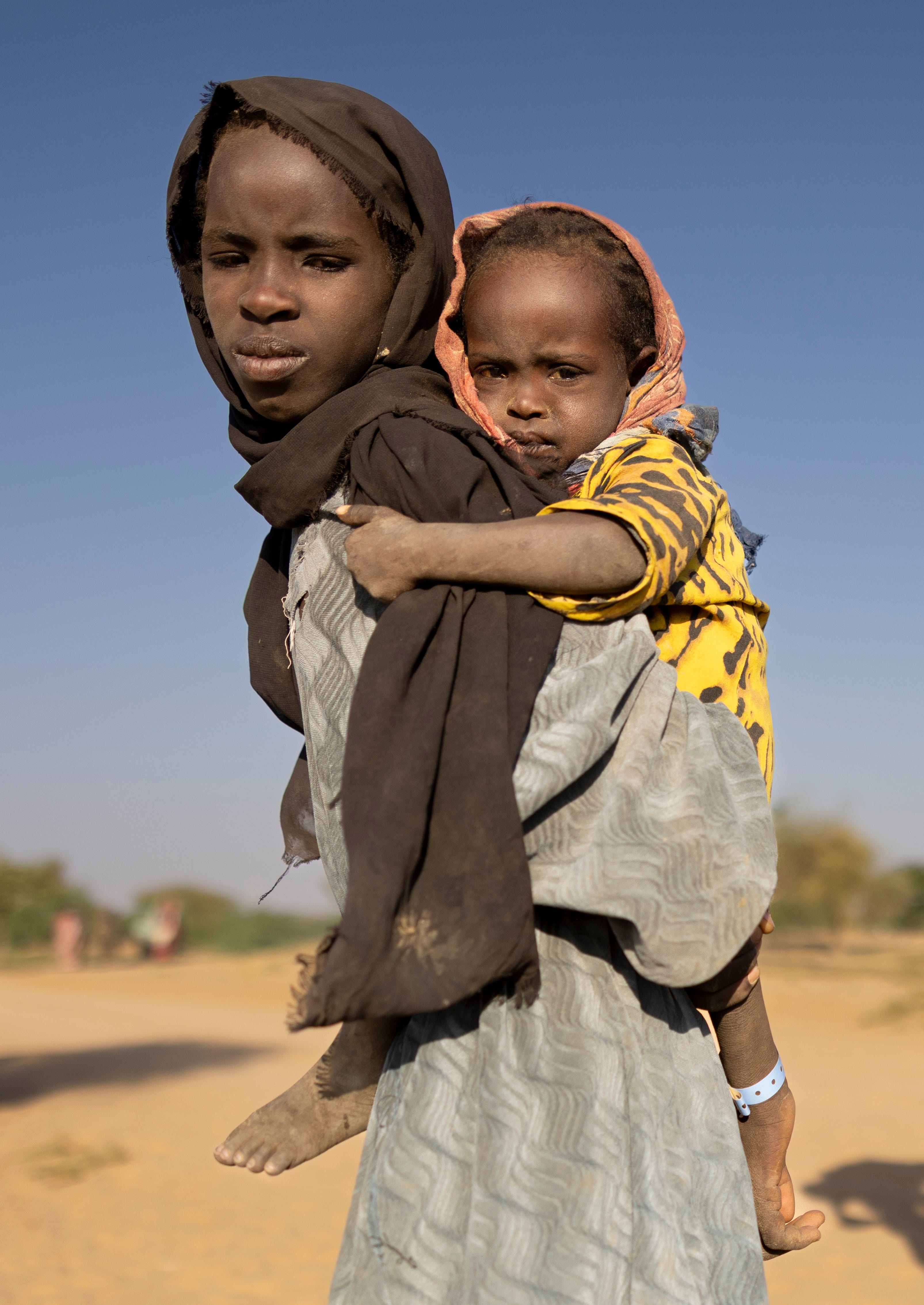
Around 260,000 people have been trapped inside al-Fashir, forced to eat leaves and animal feed, press themselves to the ground under constant shelling, and watch the city turn to ruins.
For a long time, the UN warned that something even worse would happen when RSF took the city. Now that day has come, and aid organisations are waiting at the border for refugees to stream in for food and shelter.
But only a few thousand make it.
The rest are as if swallowed by the desert.
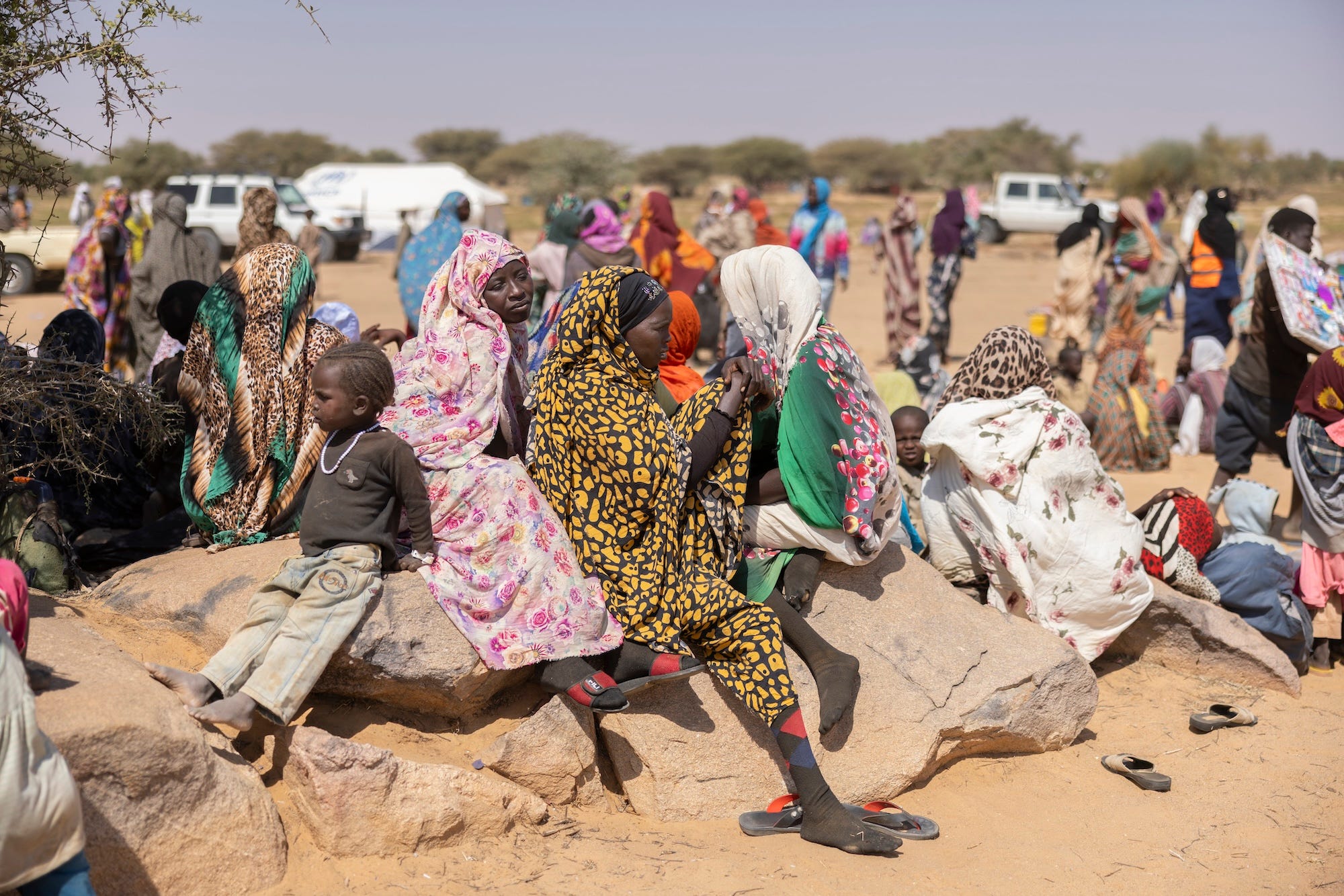
At the same time, traces of the missing begin to appear. Not in the desert, but in satellite images.
For the first time, researchers can see blood on the ground from space. By studying the images, they can follow how RSF gathers bodies into piles. Burns them. Buries them.
They warn of ongoing massacres.
Then comes an estimate that 150,000 of the 260,000 people are missing. RSF is cleaning up after itself and keeping out both journalists and aid workers.
When no one is allowed in, the satellite images and the survivors become the closest the world gets to the truth.
The women and children who do reach the border carry with them what the world is prevented from seeing.
These are their testimonies.
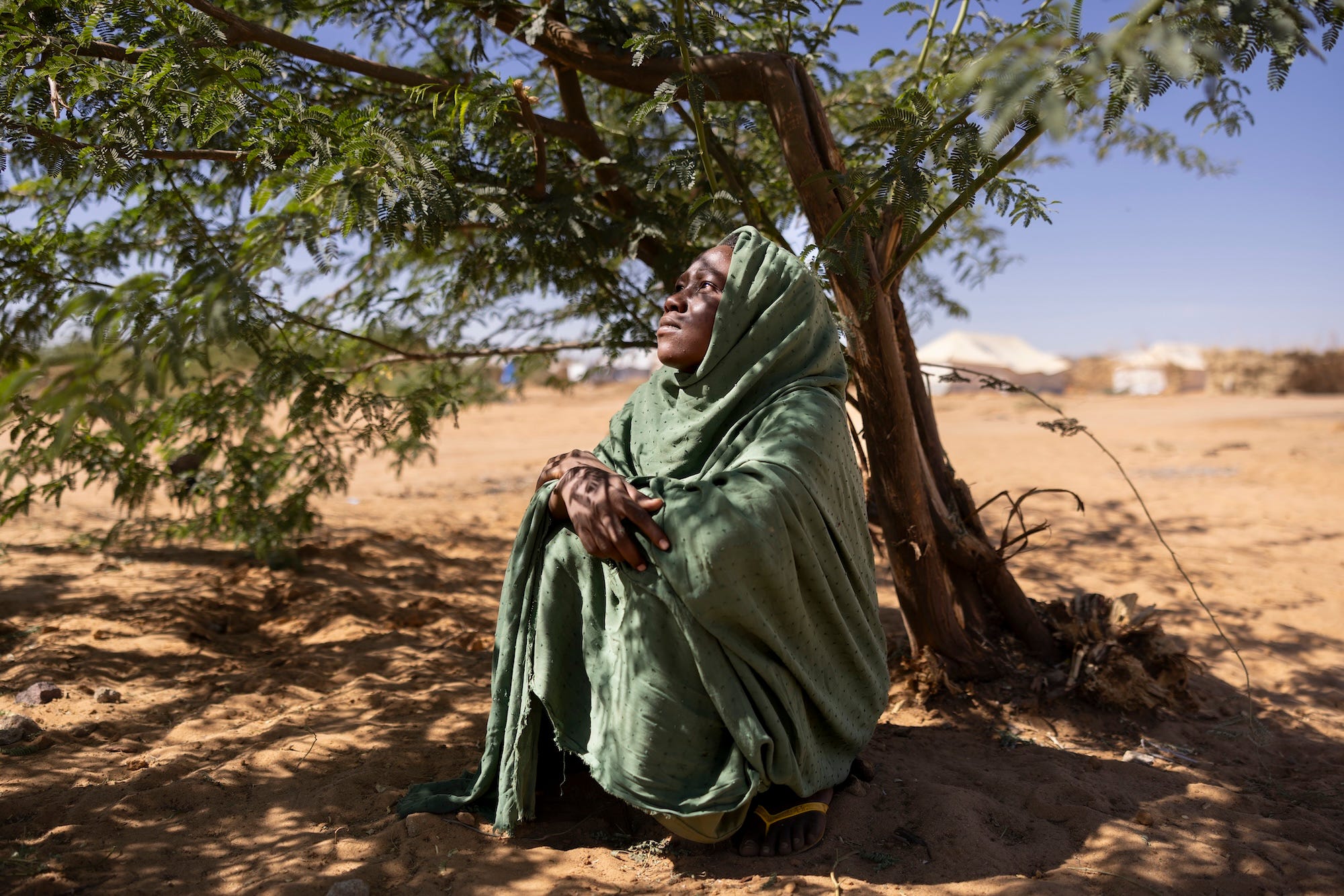
Seventeen-year-old Faiza Abdullah Bashar has reached the Oure Cassoni camp. She shades herself from the sun beneath a tree.
Since the escape, she has not been able to sleep.
With her is one of her older brothers, who keeps asking people around them:
“Where is my mother? Where is my father?”
Faiza says he is traumatised. That his mind is no longer right.
They both saw their parents killed. Faiza’s husband was killed at the same time. And her one-month-old son.
She was carrying him on her back when the shot came.
“They told us to sit down on the ground. Then they told us to stand up. Then they shot at us.”

Only Faiza and her older brothers survived. Because they ran.
“We have received no help here at all. I am very sad. Sometimes my brothers do not even want to eat because they feel so bad. We left everything. Our parents and everything we had.”
She puts words to the logic of genocide.
“They do this because we are Zaghawa. They kill Zaghawa.”
The Zaghawa are one of Darfur’s non-Arab ethnic groups. They are Muslims, like the other groups in Darfur, and the conflict is not about religion. It is about power, land, resources and racism.
Since Sudan’s independence in 1956, the state has treated Arab groups differently from people with darker skin, such as the Zaghawa and the Masalit, who have been seen as inferior.
The division was created under British colonial rule, after the Darfur Sultanate was incorporated into Sudan in 1916, and became a wound more than a century old that has never healed.
When climate change and drought in the 1980s reduced resources and increased competition over land and water, the state made the conflict deadly by siding with Arab groups. That drove the first genocide in Darfur in 2003.
Since 2023, a second genocide has been woven into Sudan’s wider civil war.
They beheaded them with knives
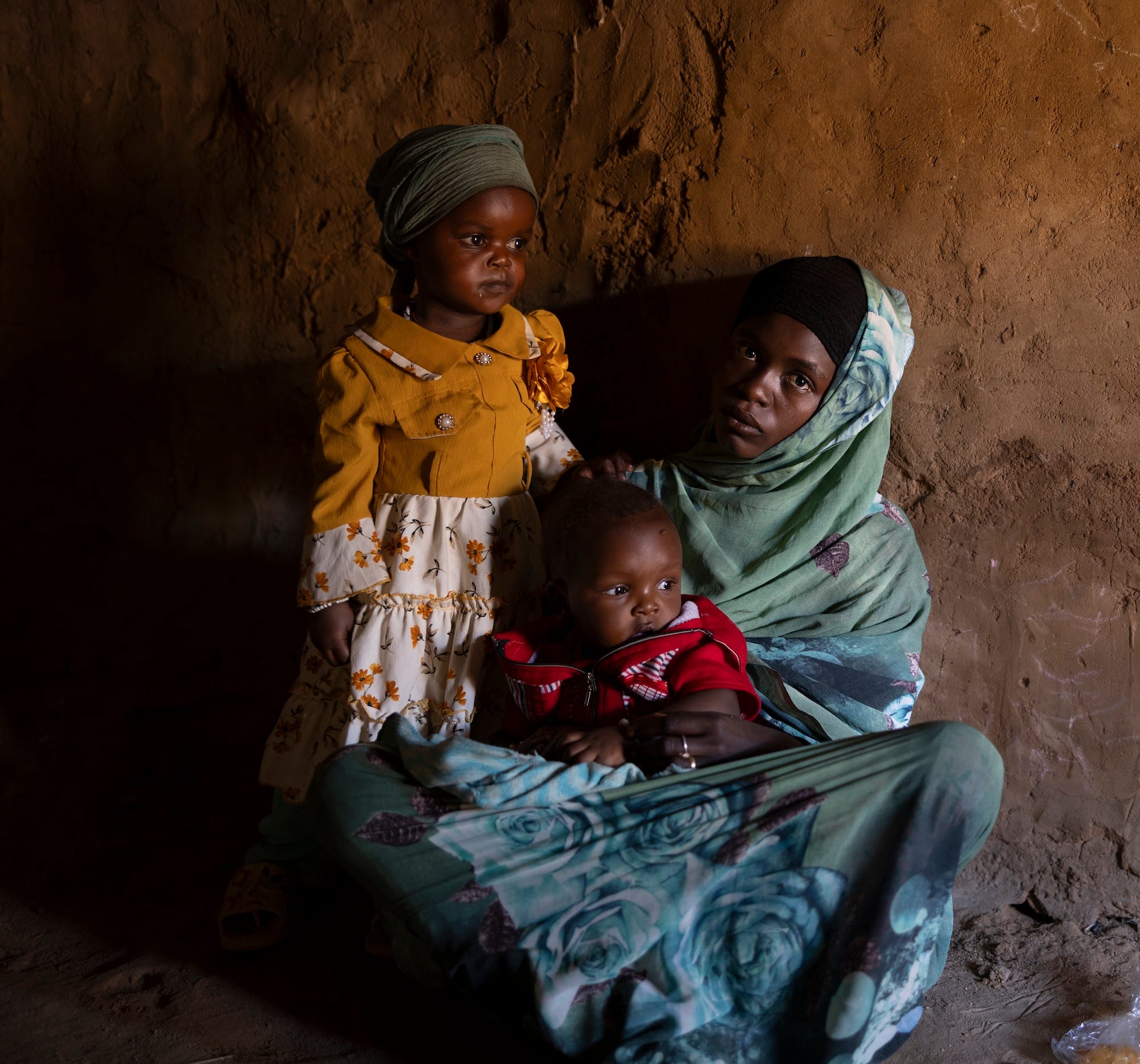
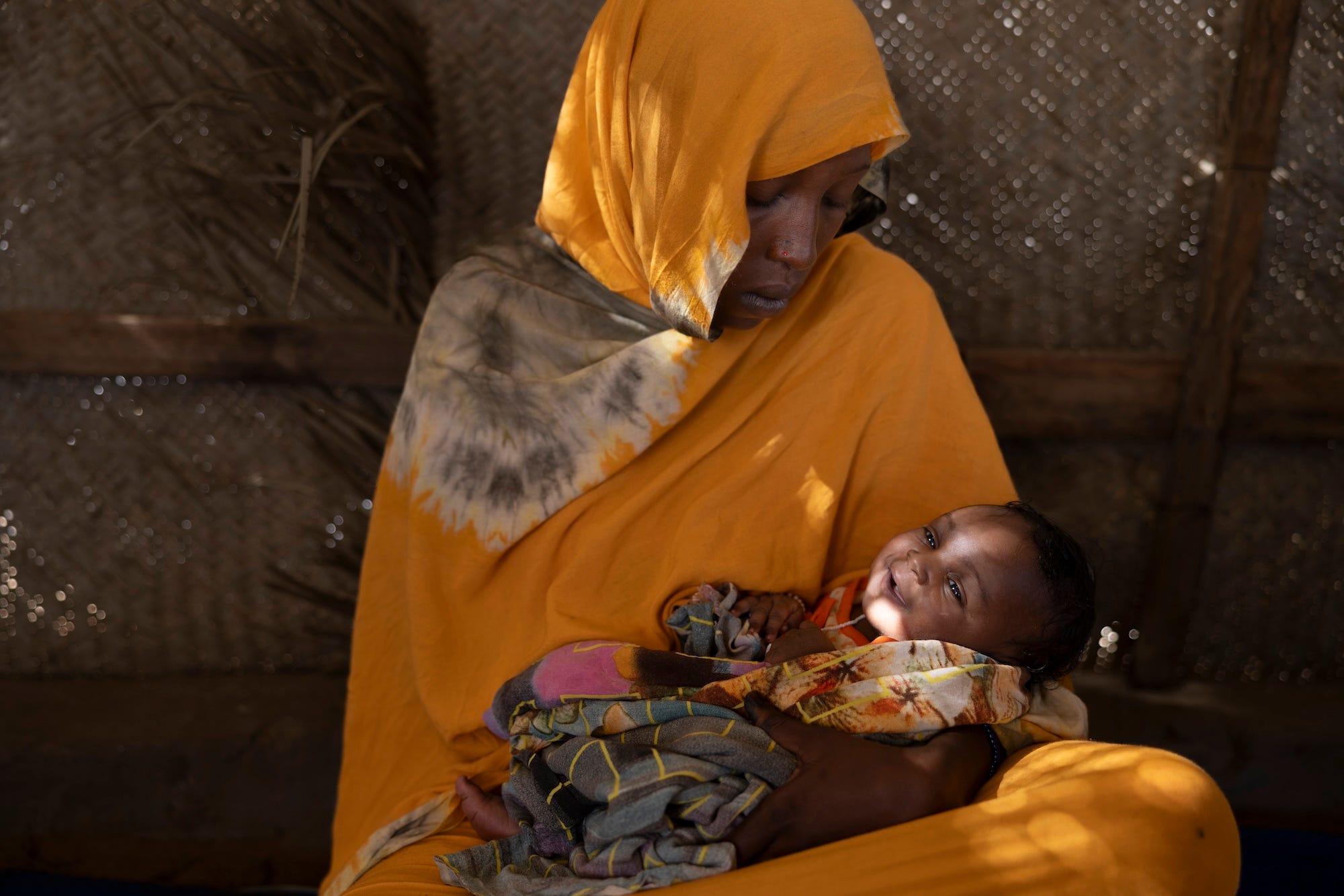
At a health centre in the Oure Cassoni camp, 22-year-old Shima Adam Ibrahim sits with her seven-month-old son Walid in her lap. He is acutely malnourished. She listens closely as the doctor explains how she should use the nutritional paste.
Outside, about a hundred other mothers wait in the same situation. Nearly 29 million Sudanese people are suffering from acute food insecurity.
Shima arrived here from al-Fashir with Walid and her three-year-old daughter Wojen eight days ago.
“Life there was very hard. There was shelling all the time and a lot of people were killed. People ate leaves and the grain we usually give to the animals.”

During the flight, she and the children saw RSF behead three people. One woman and two men.
“With knives, yes. In front of us.”
She says it almost in passing, without raising her voice.
“They shot children who were Zaghawa. They shot little babies. There were dead people lying in the desert. They take women and girls and rape them. Sometimes they kill them too.”
Shima paid to travel on the back of a truck with what she thinks were 25 other people. But not everyone made it.
On the road, RSF stopped them. Young men were separated from the group and executed. It was not madness, she says, still just as calmly.
“They are not crazy. They just do not like black people.”
According to the UN human rights office, more than 6,000 people were killed in the first three days after al-Fashir was taken. The total number is still unknown, as investigators have not been granted full access to the city.
The Guardian later reported that al-Fashir had become a slaughterhouse and cited a high, uncertain estimate: that at least 60,000 people were massacred in al-Fashir in the first three weeks.
The question that decides who gets to live
As the massacres continue and parents lose their children, 20-year-old Sause Mohammed has brought a new life into the world during the flight.
In her arms lies 15-day-old Musen. He smiles when the sun touches his face. His two older brothers, Mosamil, 3, and Maasin, 4, look at him.
Sause’s husband, 26-year-old Jafar Mohammed, is thin and worn down. The family comes from Kabkabiya, a village on the road from al-Fashir, and has just crossed the border into Tiné in Chad. They sink down onto the ground and wait to be registered as refugees.
“It was impossible to stay. Drones came and bombed, and life was terrible. The only thing we have had to eat during the war is millet,” says Jafar.
They cheated death.
He says they passed about thirty roadblocks during their flight, and that RSF wanted to know the same thing at every checkpoint.
“They asked: ‘Which tribe do you belong to?’”
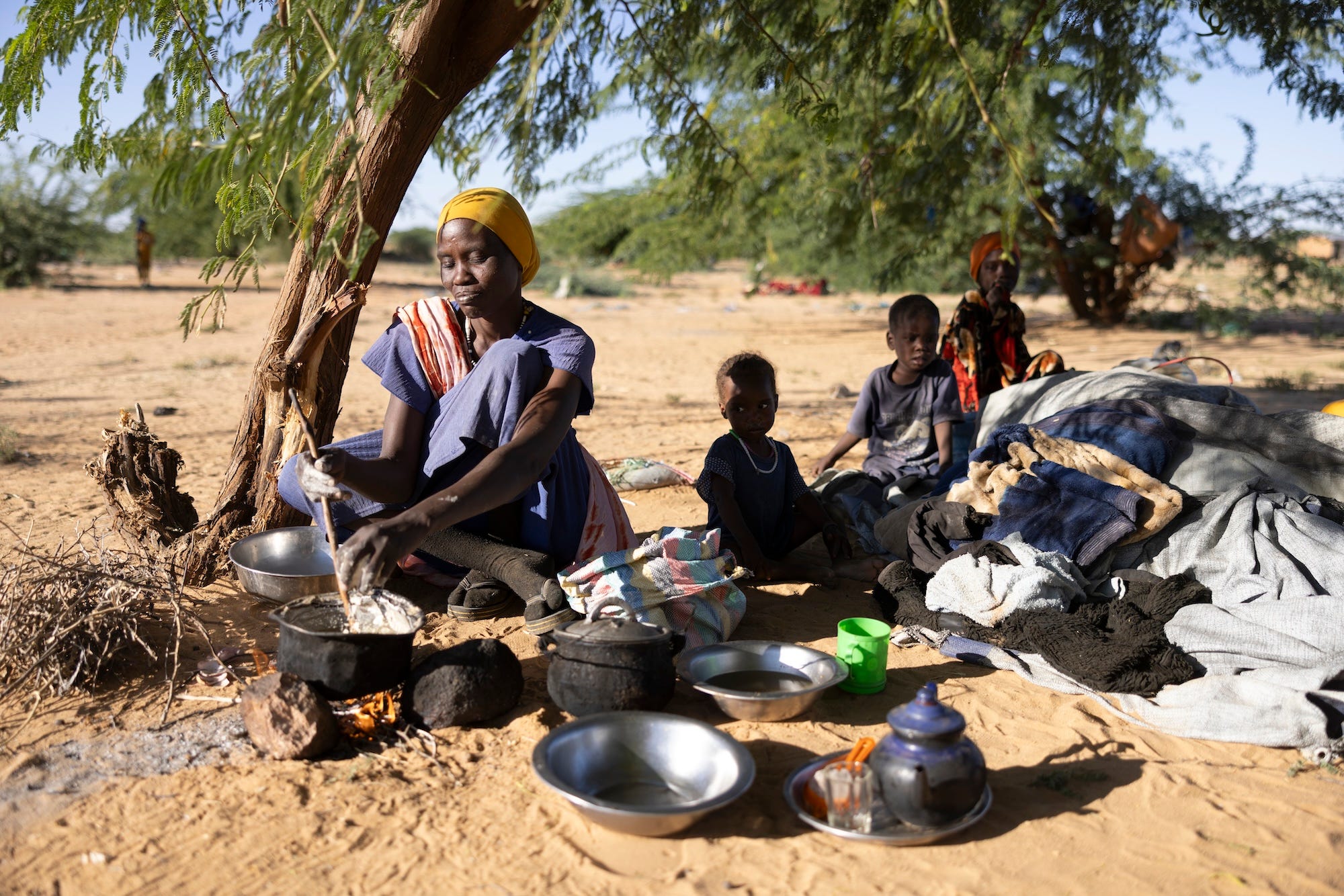
The family is Zaghawa, an ethnic group RSF sees as an enemy. The Zaghawa have a role in armed resistance groups in Darfur and are allied with the government forces, SAF, which is fighting RSF in Sudan’s civil war.
“If they suspect you are Zaghawa, they can arrest you, torture you, shoot you. We lied and said we are Fur.”
The Fur are Darfur’s historic main tribe, the people after whom the region is named – the home of the Fur. They are also extremely vulnerable and being subjected to genocide in Darfur, but Jafar says that in the area where they were, RSF is mainly cleansing out the Zaghawa.
At the roadblocks, one answer can decide whether a newborn child gets to live.
The genocide is not chaotic. It is systematic.
With losses as their only luggage
Most of those who reach Chad carry only the stories of what has been taken from them.
Not the money. Not the gold. Not the photo albums. Not the phones with the numbers of those who may still be alive. Not the bodies of those they could not bury.
Only the stories.
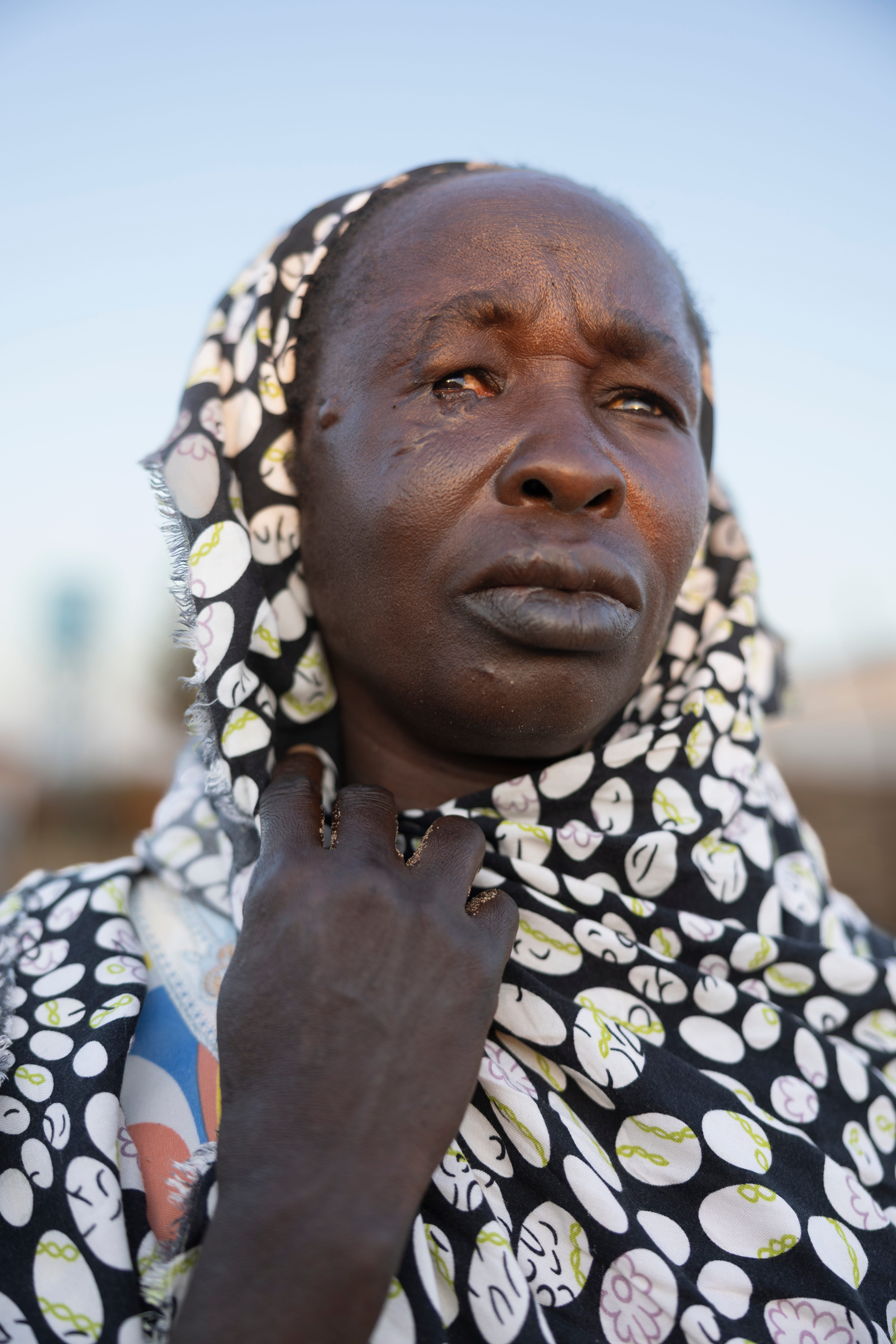
Fifteen-year-old Maha Mohammad Hassan from al-Fashir begins to laugh loudly when she thinks about the first thing she lost. Before the war, she went to school and liked watching French television series.

“I liked the series because their lives were so good. Everyone had beautiful houses. Everything they did was so beautiful.”
She cracks her fingers. The smile disappears in the same movement.
“Then the planes and drones came. They bombed all the time. My mother was killed in our house. They shot her. I fled with my brothers. On the road we saw how they killed and raped.”
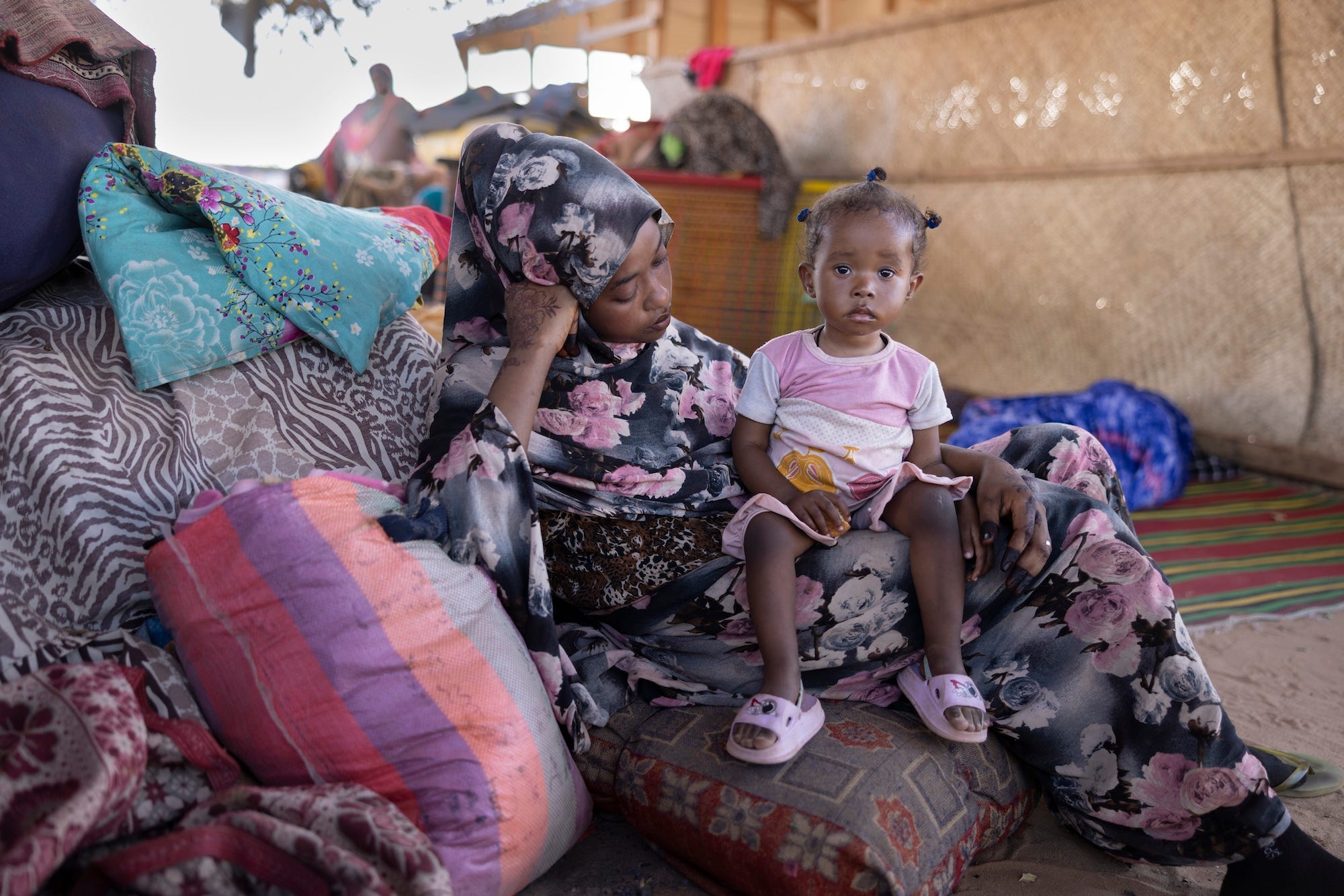
Twenty-seven-year-old Tagua Badr Djohonda is also from al-Fashir. She says she never wants to return to Sudan.
“All we have is destruction. If I went back, I would only find the earth. They have killed whole families. They are just gone.”
Her house was bombed while her daughter was inside. The daughter survived.
When Tagua fled, RSF stopped her and others on the road. They took everything they had with them. Four people were killed. She herself was beaten.
“If you have nothing they can steal from you, they beat you.”
They beat her with electrical cables.
“You can see the scars,” she says, lifting her skirt.
There is another kind of loss.
One that never ends.
Not death, not life. Only uncertainty. A grief that stays in the body and gnaws, hour after hour, because a mother does not know whether to mourn her children or keep hoping. Whether they are hungry. Whether they are afraid. Whether they are calling for her. Whether they think she abandoned them. Whether they are even alive.
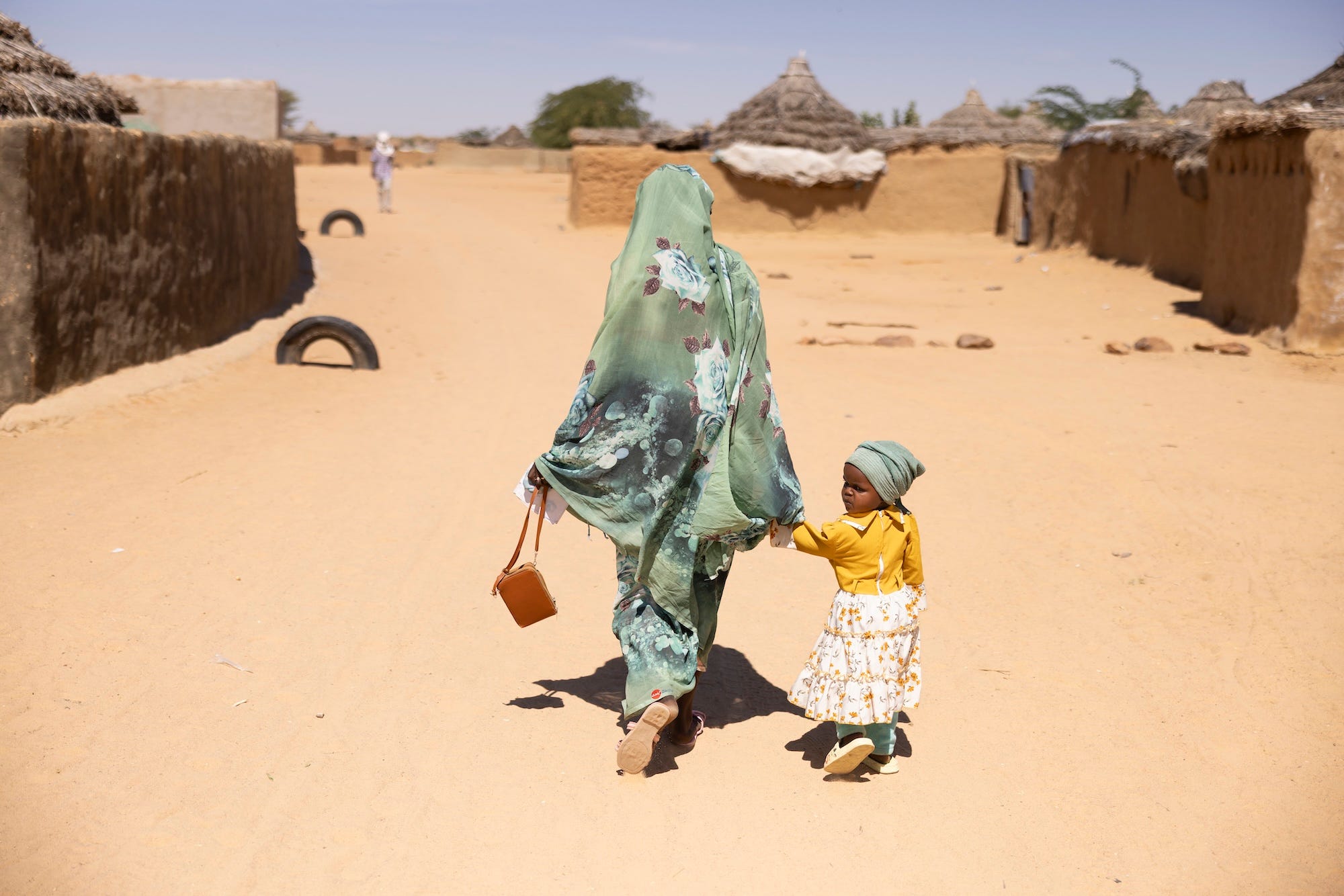
That is the loss 29-year-old Esma Usama carries with her across the border to Adré, farther south in Chad.
She suffers from a chronic illness and needs surgery for problems with pressure in her eyes. She comes from the capital, Khartoum, 895 miles away – a distance almost comparable to the length of Sweden.
One day, she had to get to hospital. Her two daughters, 9 and 12 years old, stayed at home with their grandmother.
While Esma was at the hospital, the fighting broke out so violently that she could never get back to the house. Since then, she has fled through Sudan for months with her youngest daughter. Soldiers have stolen everything they had with them.
Even her phone.
When she talks about the daughters she left behind, she starts crying and cannot stop.
“No one in my family knows whether I am alive or dead. And I do not know whether they are alive or dead either,” she says.
Esma and her daughter have not been given a tent. They are hungry.
The end of the road
The road out of Sudan does not lead to safety. It leads to the next part of the catastrophe.
They have arrived. But they are not saved.
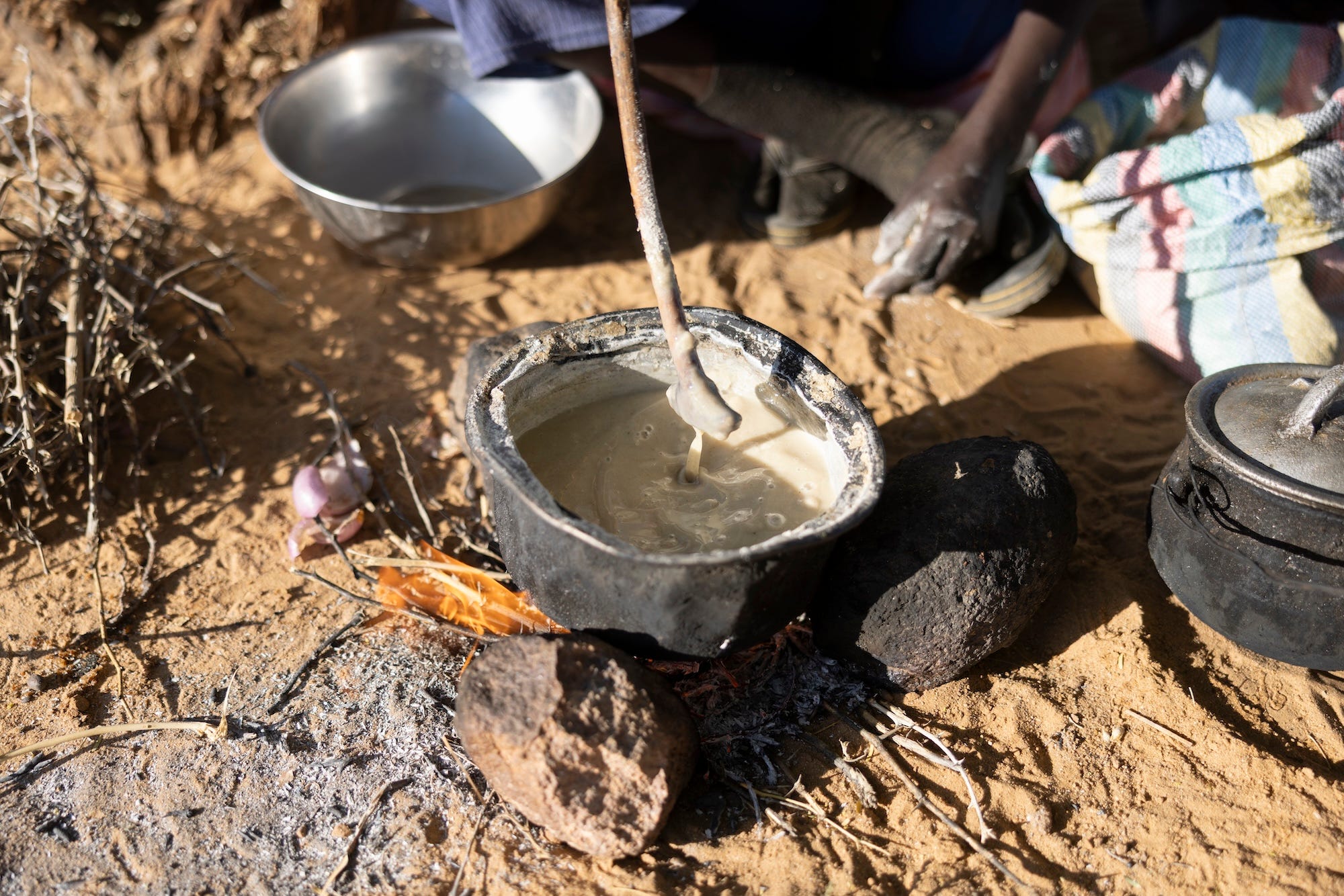
Chad is one of the poorest countries in the world and has taken in 1.2 million Sudanese refugees. Camps spread across the desert, but there is not enough space for everyone in tents. People sleep under trees. Children wait for food. Traumatised mothers wait for care.
Those who survived the genocide must keep surviving a little longer.
Even here, they are unprotected. Even here, they are subjected to violence. At the same time, the humanitarian response is only 12 to 15 per cent funded, according to the UN’s humanitarian coordination office.
Around them are the heat, the sand, the hunger and the silence of all those who never came.
Those who reached the border can tell what they saw. What the world was prevented from seeing.
The rest can only be seen from space.
The Invisible Genocide
This is the first part in a reporting series from Chad, with accompanying in-depth pieces, by war correspondents Magda Gad and Niclas Hammarström, who spent three weeks travelling through the eastern part of the country along the border with Sudan, meeting Sudanese refugees in Adré, Farchana, Tiné and Oure Cassoni.
The war. Sudan’s civil war broke out on April 15, 2023, between the Sudanese Armed Forces, SAF, led by Abdel Fattah al-Burhan, and the paramilitary Rapid Support Forces, RSF, led by Mohamed Hamdan Dagalo, known as Hemedti. The fight is over control of the state, the military and the country’s resources.
War crimes. Both sides are committing abuses against civilians. RSF has been singled out in particular for ethnically targeted massacres in Darfur, in western Sudan. The abuses include killings, sexual violence, looting, attacks on hospitals and markets, forced displacement and the blocking of humanitarian aid.
Sexual violence. Rape, gang rape, rape in the presence of corpses, sexual torture and sexual slavery are occurring systematically, according to the UN. UNFPA has described the violence as being as widespread as “weapons and bullets”. UN Women says more than 12 million people are at risk of gender-based violence. The victims range from one-year-old children to 75-year-old women. In Darfur, the violence is ethnically targeted and part of the genocide against non-Arab groups, where it is used to drive people out, terrorise them and break down entire communities.
Genocide. RSF has its roots in the Janjaweed militias, which were used during the first genocide in Darfur in the 2000s. RSF and its allies are once again carrying out ethnically targeted massacres against non-Arab groups in Darfur, including the Masalit, Fur and Zaghawa. Two cities that have been hit especially hard are El Geneina, where 15,000 people were killed, and al-Fashir. In January 2025, the United States determined that RSF and its allies are committing a second genocide in Sudan.
Mass death. The death tolls are uncertain because large parts of the country are inaccessible. Tens of thousands of people have been killed in direct fighting and massacres, while indirect deaths from hunger, disease and collapsed healthcare may exceed 400,000, according to the US special envoy for Sudan.
Flight. The war has created the world’s largest displacement crisis. According to IOM, more than 14 million people have been forced to flee, either within Sudan or to Chad, South Sudan, Egypt and Ethiopia.
Hunger. The war has shattered agriculture, markets, transport and healthcare. Around 19.5 million Sudanese people are living with crisis levels of hunger, according to the IPC. Rising fuel and fertiliser prices, linked to the war in Iran, threaten to make future harvests even worse.
Silence. Although Sudan is the world’s worst humanitarian catastrophe, the war receives limited media attention. That invisibility erases the victims and makes it easier for the sexual violence, massacres and ethnic cleansing to continue.
Read more about Sudan:


